In today's fast-paced industrial and consumer electronics markets, cutting through the noise to communicate a product's value is a significant challenge. A promotional poster for a proximity sensor is not merely an advertisement; it is a strategic communication tool designed to bridge the gap between complex technology and tangible customer benefits. An effective poster must instantly convey the sensor's core functionality while appealing to the practical needs of engineers, designers, and procurement specialists.
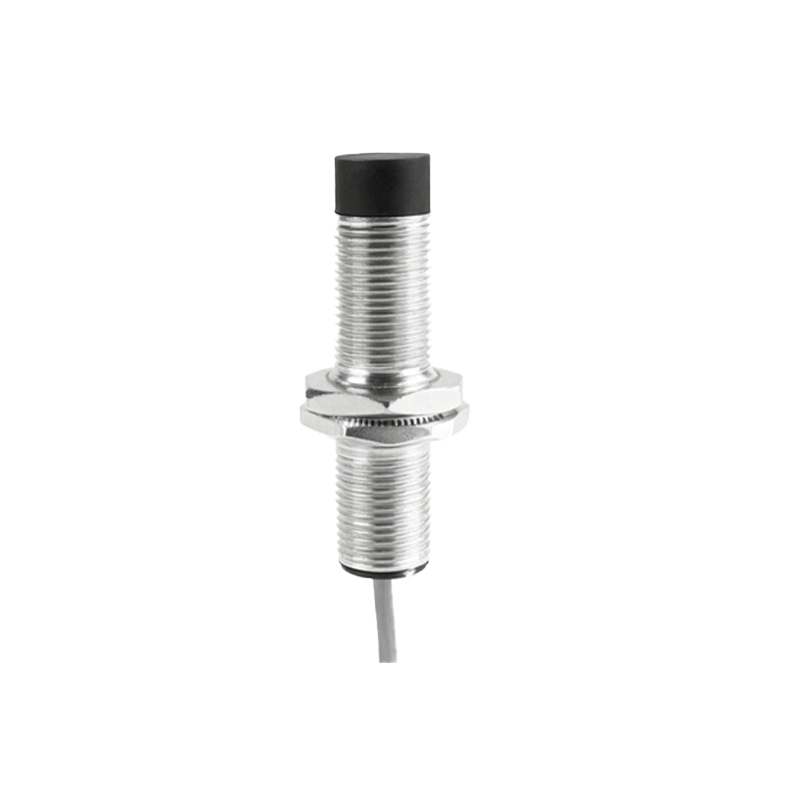
The visual hierarchy of a proximity sensor poster is paramount. The dominant element should be a high-quality, clean image of the sensor itself, often shown in a relevant application context. Imagine a sleek sensor integrated into a modern automotive assembly line, deftly detecting components without physical contact, or embedded within a smartphone, enabling the screen to turn off during a call. This application-focused imagery immediately answers the "what does it do?" question. Supporting graphics, such as simplified icons representing detection ranges, response times, or environmental robustness (like water or dust resistance), translate technical specifications into easily digestible visual cues.
The copywriting must be concise and benefit-driven. The headline should be a powerful statement of value, such as "Enable Smarter Automation with Zero Contact" or "Unmatched Reliability for Harsh Environments." It should avoid jargon-heavy phrases like "utilizing infrared photoelectric principles" in favor of customer-centric language. Bullet points are highly effective for listing key features and their corresponding advantages. For instance: "Long Detection Range – allows for flexible mounting and system design"; "High Noise Immunity – ensures stable operation in electrically complex settings"; "Compact Form Factor – saves valuable space in dense assemblies." Each point connects a technical feature directly to a user benefit.
Crucially, the poster must establish credibility. Including recognized industry standards or certifications (e.g., IP67, IEC 60947, RoHS compliance) in a visible logo format assures potential buyers of the product's quality and reliability. A clear call-to-action (CTA) is the final, critical component. This could be a QR code linking to a detailed datasheet or application note, a website URL for a sample request program, or contact information for technical sales support. The goal is to facilitate the next step in the customer journey, moving them from awareness to consideration.
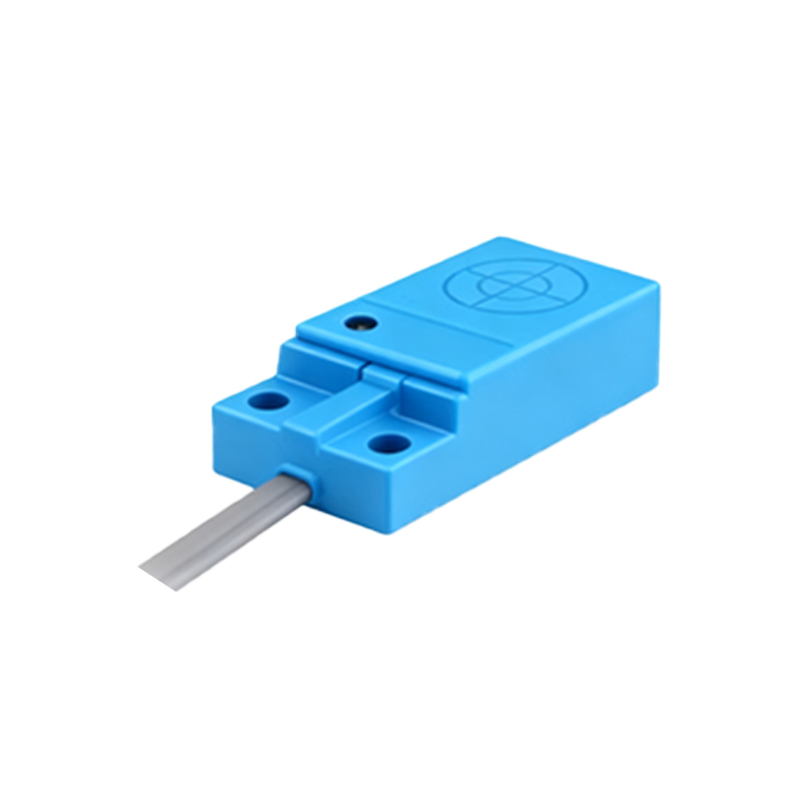
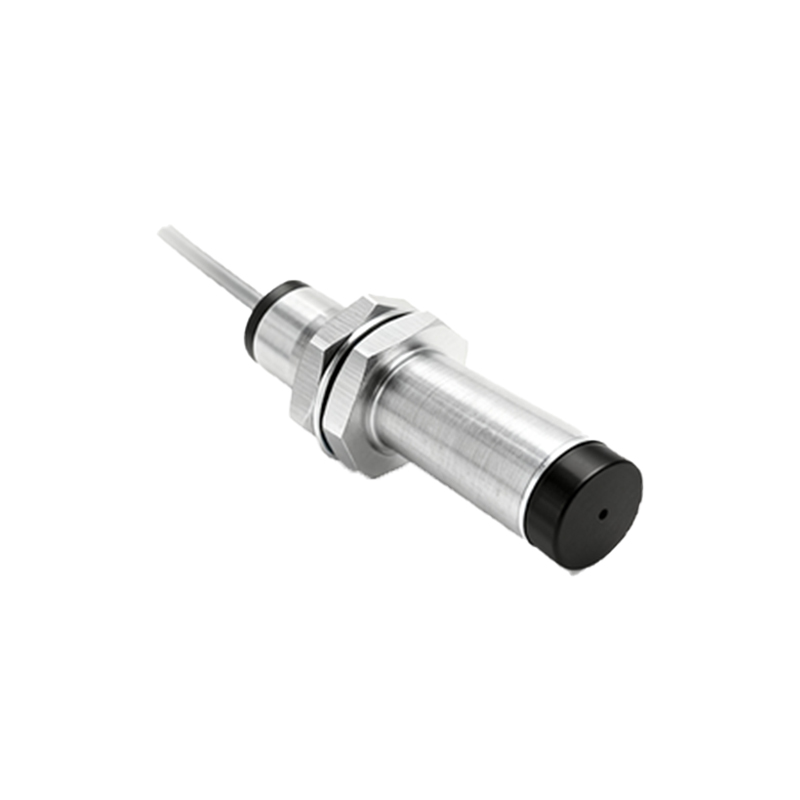
The design aesthetic should reflect the sensor's market positioning. A poster for a rugged, industrial-grade inductive sensor might employ a robust, darker color scheme with metallic accents, conveying strength and durability. In contrast, a poster for a miniaturized capacitive sensor aimed at consumer electronics might use a lighter, minimalist design with sleek lines, emphasizing precision and innovation. Consistency in typography and color palette with the company's overall branding reinforces professional recognition.
Ultimately, a successful proximity sensor promotional poster functions as a silent sales engineer. It educates, convinces, and prompts action within a limited space and time. By combining compelling visuals, clear benefit-oriented text, proof of reliability, and a direct pathway for engagement, it transforms an invisible enabling technology into a visible solution, capturing attention in trade shows, technical publications, and online platforms, and driving meaningful engagement with the target audience.