In the rapidly evolving landscape of industrial automation and precision engineering, the demand for accurate, reliable, and robust distance measurement solutions has never been greater. LiZhou laser distance sensors have emerged as a pivotal technology, offering unparalleled performance across a diverse range of applications. These sensors operate on the principle of time-of-flight or phase-shift measurement, emitting a focused laser beam towards a target and calculating the distance based on the time it takes for the reflected light to return. This non-contact method ensures high precision without physical wear, making it ideal for environments where delicate surfaces or high-speed processes are involved.
The core advantages of LiZhou laser sensors lie in their exceptional accuracy, often reaching sub-millimeter levels, and their impressive measurement ranges, which can extend from a few centimeters to several hundred meters depending on the model. This versatility allows for deployment in scenarios as varied as warehouse logistics, where they monitor inventory levels and guide automated guided vehicles (AGVs), to heavy machinery alignment in construction and manufacturing. Their high sampling rate enables real-time monitoring and control, which is critical for dynamic processes such as robotic assembly lines, conveyor belt sorting systems, and quality inspection stations. The ability to provide instantaneous feedback loops significantly enhances operational efficiency and product consistency.
Durability and environmental resilience are hallmark features of LiZhou's design philosophy. Engineered to withstand harsh industrial conditions, these sensors are typically housed in rugged enclosures with high ingress protection (IP) ratings, safeguarding them against dust, moisture, and mechanical shocks. Many models feature advanced optics and signal processing algorithms that filter out ambient light interference, ensuring stable performance even in challenging lighting conditions. This reliability translates to reduced downtime and lower total cost of ownership, a key consideration for facility managers and system integrators.
Integration into existing industrial ecosystems is streamlined through multiple communication interfaces. LiZhou sensors commonly support standard industrial protocols such as IO-Link, PROFINET, EtherNet/IP, and analog outputs (4-20mA, 0-10V), facilitating seamless connectivity with Programmable Logic Controllers (PLCs), Human-Machine Interfaces (HMIs), and supervisory control systems. This plug-and-play capability accelerates deployment and simplifies system configuration, allowing engineers to focus on application optimization rather than complex wiring or compatibility issues.
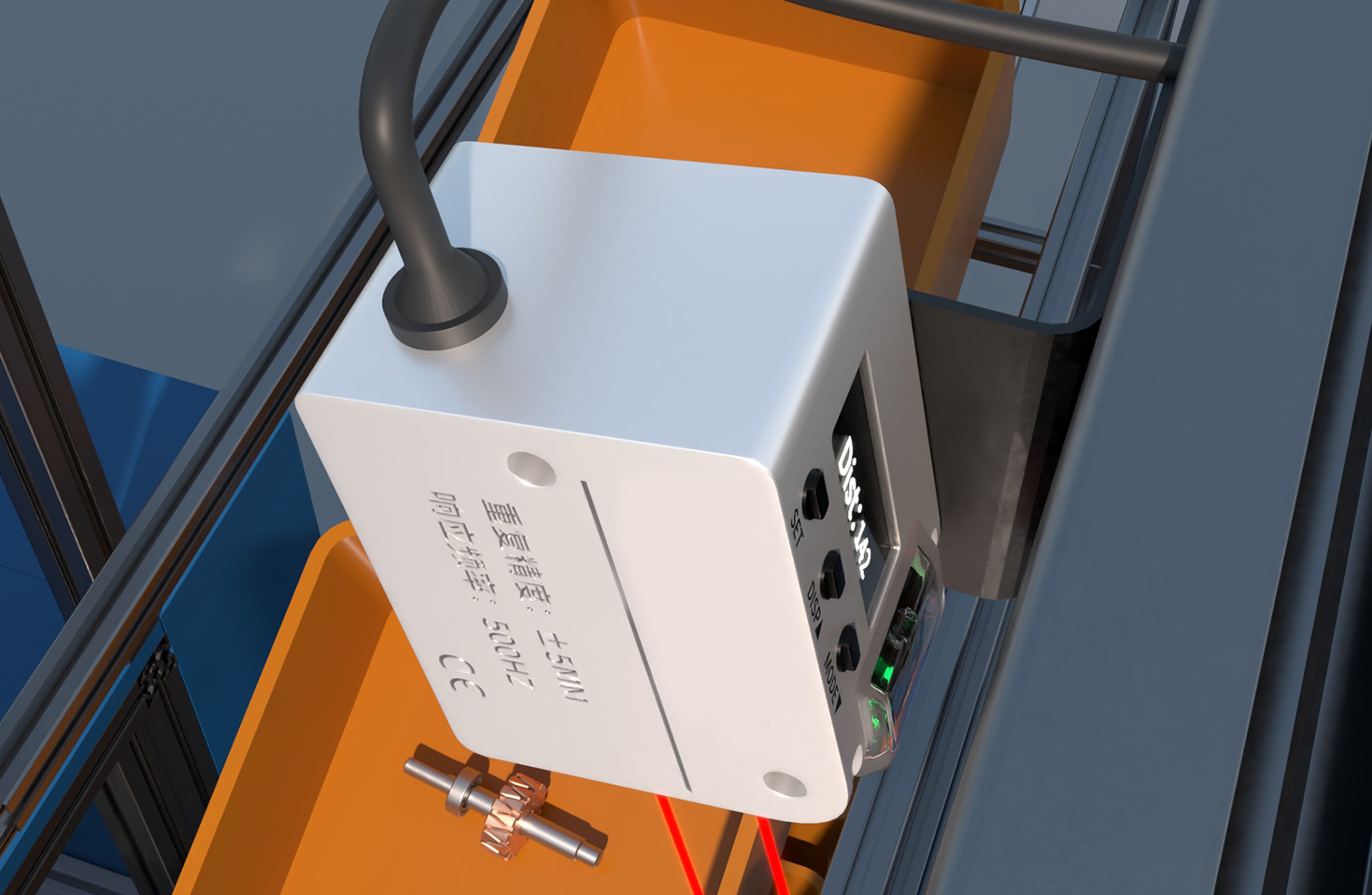
Looking at specific applications, in the automotive sector, LiZhou laser sensors are indispensable for precise gap and flush measurement during vehicle assembly, ensuring the highest quality standards. In the packaging industry, they accurately detect product presence, height, and position on high-speed filling lines. Furthermore, in logistics and material handling, they enable precise positioning of cranes and automated storage/retrieval systems (AS/RS), optimizing space utilization and retrieval times. The technology also finds critical use in safety systems, such as perimeter guarding and access control, where reliable object detection is paramount.

The future trajectory for LiZhou and similar advanced laser sensing technologies points towards greater miniaturization, enhanced smart features, and deeper integration with Industrial Internet of Things (IIoT) platforms. Future iterations may incorporate embedded intelligence for predictive maintenance, self-calibration, and more sophisticated data analytics directly at the edge. As industries continue to pursue greater automation, efficiency, and data-driven decision-making, the role of precise, reliable laser distance measurement sensors like those from LiZhou will only become more central. Their contribution to improving precision, safety, and operational intelligence solidifies their status as a foundational component in the toolkit of modern industrial engineering.