In the realm of industrial automation and control systems, the ability to detect the presence, absence, or position of an object without physical contact is paramount. This critical function is fulfilled by proximity sensors, a cornerstone technology that enhances efficiency, safety, and reliability across countless applications. As an electrical engineer with extensive field experience, I aim to provide a comprehensive overview of these indispensable devices, focusing on their operating principles, primary types, key applications, and essential selection factors.
At its core, a proximity sensor is a device that detects the presence or absence of a nearby object within its sensing range, typically emitting an electrical signal. The fundamental advantage lies in its non-contact operation, which eliminates mechanical wear and tear, allows for high-speed detection, and enables use in harsh environments where physical contact is impractical or damaging.
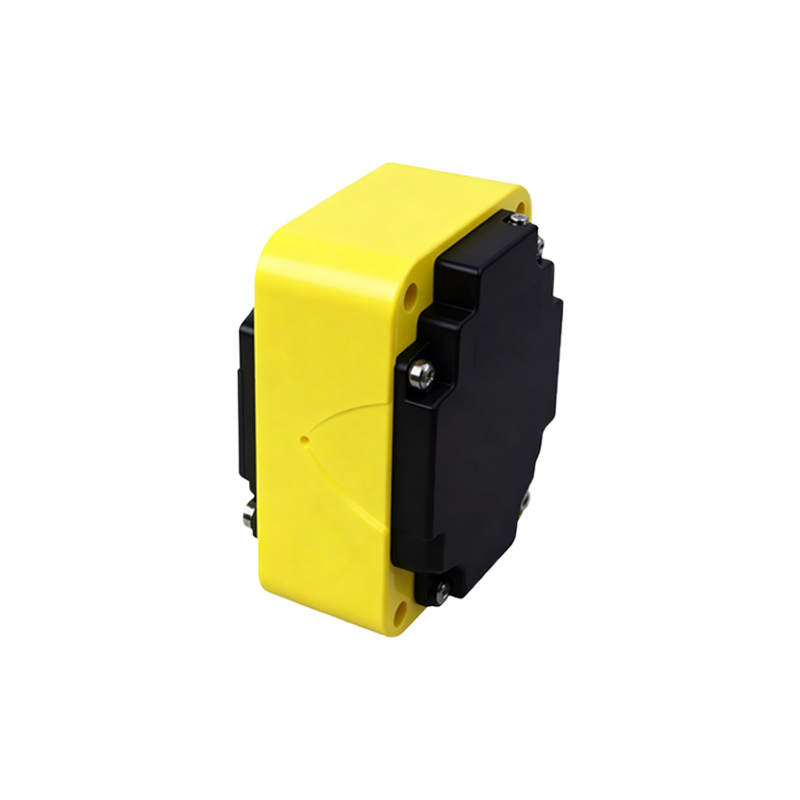
The most prevalent types of proximity sensors can be categorized by their underlying sensing technology:
1. Inductive Proximity Sensors: These sensors generate an electromagnetic field. When a metallic object (ferrous or non-ferrous) enters this field, it induces eddy currents within the object, causing a change in the sensor's oscillation amplitude. This change is detected and converted into a switching output. Inductive sensors are robust, resistant to environmental contaminants like dust and oil, and are ideal for detecting metal targets in machinery, such as in position verification on conveyor lines or counting metal parts.
2. Capacitive Proximity Sensors: These sensors can detect both metallic and non-metallic objects (plastics, wood, liquids, granules) by measuring changes in capacitance. The sensor and the target act as two plates of a capacitor. As a target approaches, it alters the dielectric constant of the space between them, changing the capacitance and triggering the output. They are commonly used for level detection in tanks (liquids or powders), material handling, and detecting non-metallic container caps.
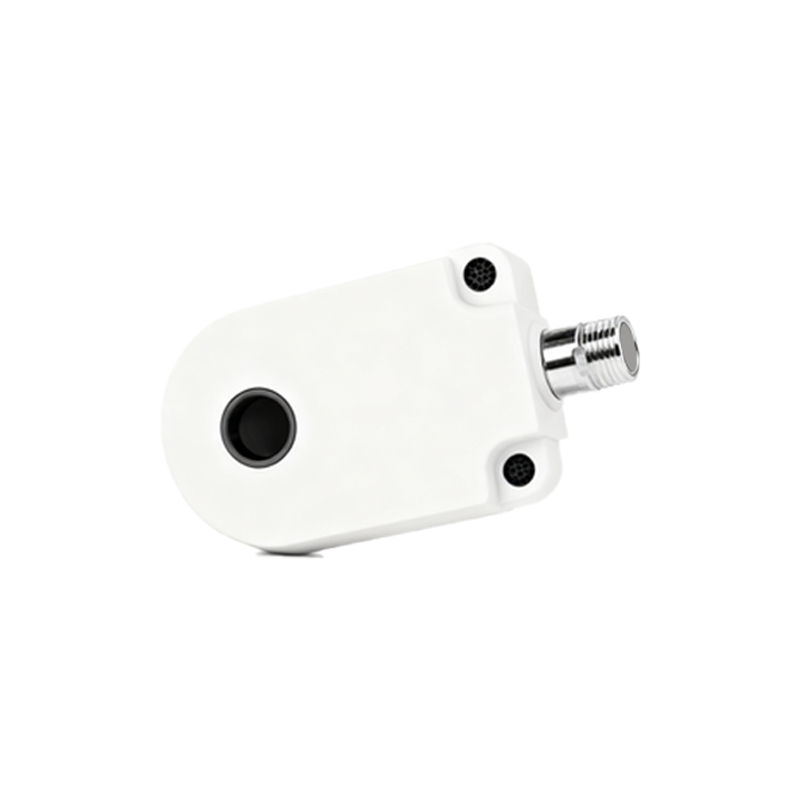
3. Ultrasonic Proximity Sensors: These sensors operate by emitting high-frequency sound waves and evaluating the reflected echo. The time taken for the echo to return is used to calculate the distance to the target. They are excellent for detecting objects of virtually any material, shape, or color, and are used in challenging conditions involving dust, smoke, or light interference. Applications include distance measurement, pallet detection, and liquid level sensing.
4. Photoelectric Sensors: While often considered a separate category, they function as proximity devices. They use a light beam (visible, infrared, or laser) and detect the presence of an object by either the interruption of the beam (through-beam), reflection from the object (retro-reflective), or reflection from the object itself (diffuse reflective). They offer long sensing ranges and can detect small objects, making them perfect for packaging, material handling, and object counting on high-speed lines.
Selecting the appropriate proximity sensor for an application requires careful consideration of several parameters:
Target Material: The object's composition (metal, plastic, liquid) dictates the choice between inductive, capacitive, or ultrasonic types.
Sensing Range: The required operating distance from the sensor face to the target. Always consider a safety margin.
Output Configuration: Typically a digital switch (PNP or NDC sourcing, NPN or NDO sinking) or an analog signal (4-20mA, 0-10V) for distance-proportional data.
Environmental Conditions: Factors such as temperature extremes, presence of washdown chemicals, dust, vibration, and electrical noise must be accounted for. Sensors are rated with Ingress Protection (IP) codes for dust and water resistance.
Mounting and Size: Physical constraints of the installation location often determine the sensor's housing shape (barrel, rectangular, ring) and size.
Response Time and Switching Frequency: Critical for high-speed applications to ensure the sensor can keep up with the process speed.
In practice, a well-chosen proximity sensor is integral to system reliability. For instance, an inductive sensor monitoring a robotic arm's end position ensures precise movement. A capacitive sensor controlling the fill level of a glue reservoir prevents overflow. An ultrasonic sensor guiding an Automated Guided Vehicle (AGV) ensures safe navigation.
In conclusion, proximity sensors are versatile and critical components in modern electrical and automation engineering. A deep understanding of their distinct technologies and a methodical approach to selection—based on the target, environment, and performance requirements—are essential for designing robust, efficient, and maintenance-friendly control systems. As technology advances, we continue to see enhancements in sensing range, accuracy, connectivity (IO-Link), and miniaturization, further expanding their role in the smart factories of Industry 4.0.
SEO