In the world of industrial automation and machinery, proximity sensors are indispensable components. They detect the presence or absence of an object without physical contact, enabling critical functions in production lines, robotics, and safety systems. A common and crucial question for engineers, procurement specialists, and plant managers is: "What is the best price for a proximity sensor?" The answer is not a simple figure but a complex equation balancing cost, performance, reliability, and total cost of ownership. The "best" price is the one that delivers optimal value for your specific application, not necessarily the lowest initial purchase price.
Understanding the core types of proximity sensors is the first step in evaluating price. Inductive sensors detect metallic objects and are priced based on sensing range, housing material (e.g., nickel-plated brass vs. stainless steel), and output type (PNP/NPN, NO/NC). Capacitive sensors detect both metallic and non-metallic materials and often carry a slightly higher price tag due to their more complex circuitry. Ultrasonic sensors, used for distance measurement and level detection, represent a higher price category. Finally, photoelectric sensors, using light beams, vary widely in price depending on their technology (diffuse, retro-reflective, through-beam) and specialized features like background suppression. A basic, short-range inductive sensor might cost as little as $20-$50, while a high-performance, long-range ultrasonic or specialized safety-rated sensor can easily exceed $200-$500.
The initial unit cost is just the tip of the iceberg. The true "best price" is revealed through Total Cost of Ownership (TCO). A cheaper sensor with a lower Mean Time Between Failures (MTBF) may fail prematurely, leading to costly production downtime, emergency shipping fees for replacements, and labor hours for unscheduled maintenance. Conversely, a more expensive, high-quality sensor from a reputable manufacturer often boasts superior durability, better environmental sealing (IP67/IP69K ratings), and stable performance over a longer lifespan. This reliability directly translates to higher uptime and lower long-term costs. Always factor in the cost of downtime per hour for your operation; it often dwarfs the sensor's price.
Specification matching is paramount. Over-specifying leads to paying for unnecessary features. Do you need a 15mm range or will 5mm suffice? Is a 2-wire DC model adequate, or does your control system require a 3-wire or 4-20mA analog output? Does the application involve extreme temperatures, washdown environments, or heavy vibration? Sensors built for harsh environments command a higher price but are essential for reliable operation. Under-specifying, however, is a false economy that guarantees premature failure and operational headaches.
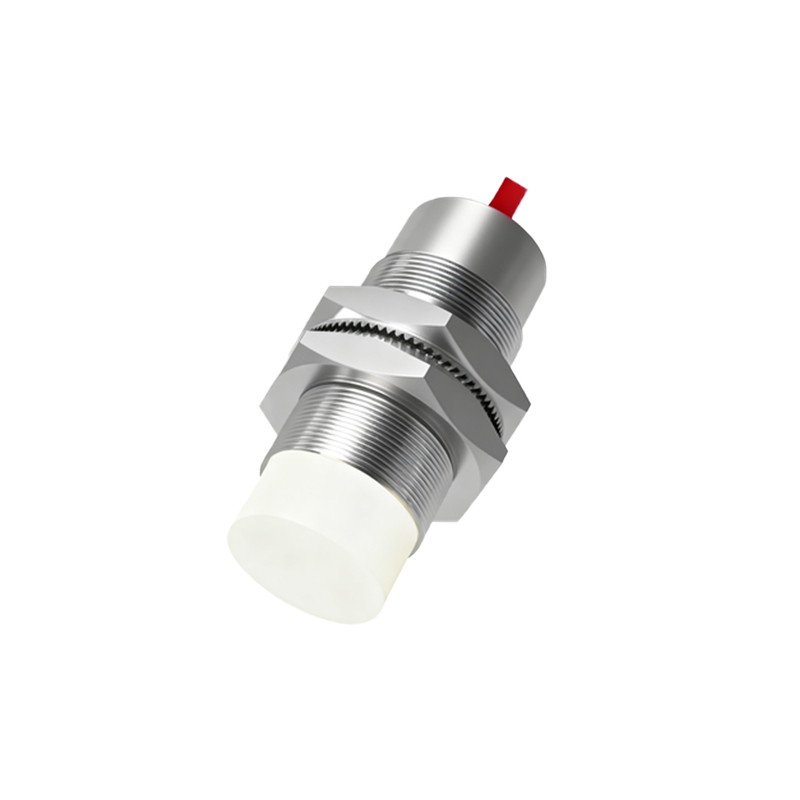
The choice of supplier and brand significantly impacts price and value. Established global brands (e.g., Siemens, Omron, Schneider Electric, Pepperl+Fuchs, Balluff) typically have higher list prices but offer proven reliability, extensive technical support, global availability, and comprehensive documentation. Niche or generic brands may offer lower prices, but support and long-term part availability can be risky. Consider the supplier's lead times, local stock availability, and technical expertise. A local distributor with strong engineering support can save immense time during selection and troubleshooting, adding intangible value.
Volume purchasing is a direct lever on price. For OEMs integrating sensors into their machines or large plants standardizing on a model, negotiating substantial discounts for large annual volumes is standard practice. For MRO (Maintenance, Repair, and Operations) purchases of single units or small batches, the price will be closer to list price, but loyalty to a distributor can yield better service and competitive pricing over time.
In conclusion, the best price for a proximity sensor is not found on a price tag alone. It is determined by a rigorous evaluation process: precisely defining your technical requirements, calculating the Total Cost of Ownership, choosing a reliable and appropriately featured product, and partnering with a competent supplier. Invest time upfront in the selection process. The goal is to minimize life-cycle cost, not just purchase price. The most expensive sensor you can buy is the one that fails at a critical moment. Therefore, value—encompassing reliability, performance, support, and longevity—is the ultimate metric. Seek the optimal balance where cost meets unwavering operational integrity.