In the realm of industrial automation and control systems, proximity sensors stand as fundamental components, enabling machines to "sense" the presence or absence of objects without any physical contact. These devices are pivotal for enhancing efficiency, safety, and precision in countless applications. But what exactly is a proximity sensor?
At its core, a proximity sensor is a non-contact electronic device designed to detect the presence or absence of a target object within a specified sensing range. Unlike limit switches that require mechanical contact, proximity sensors operate by emitting a field or beam of electromagnetic radiation (such as an electromagnetic field or light) and then monitoring for changes in the field or the return signal. This principle allows for reliable detection of metallic and non-metallic objects, depending on the sensor type, with high repeatability and speed, and minimal wear and tear.
The operational principle varies significantly across the main types of proximity sensors, each suited to specific materials and environmental conditions.
Inductive Proximity Sensors: These are among the most common types in industrial settings. They generate an oscillating electromagnetic field from a coil in the sensing face. When a metallic object (ferrous or non-ferrous) enters this field, it induces eddy currents within the target, causing a change in the oscillation amplitude. The sensor's circuitry detects this change and triggers a switching output. Inductive sensors are robust, resistant to environmental factors like dust and oil, and are ideal for detecting metals. However, they typically cannot detect non-metallic materials.
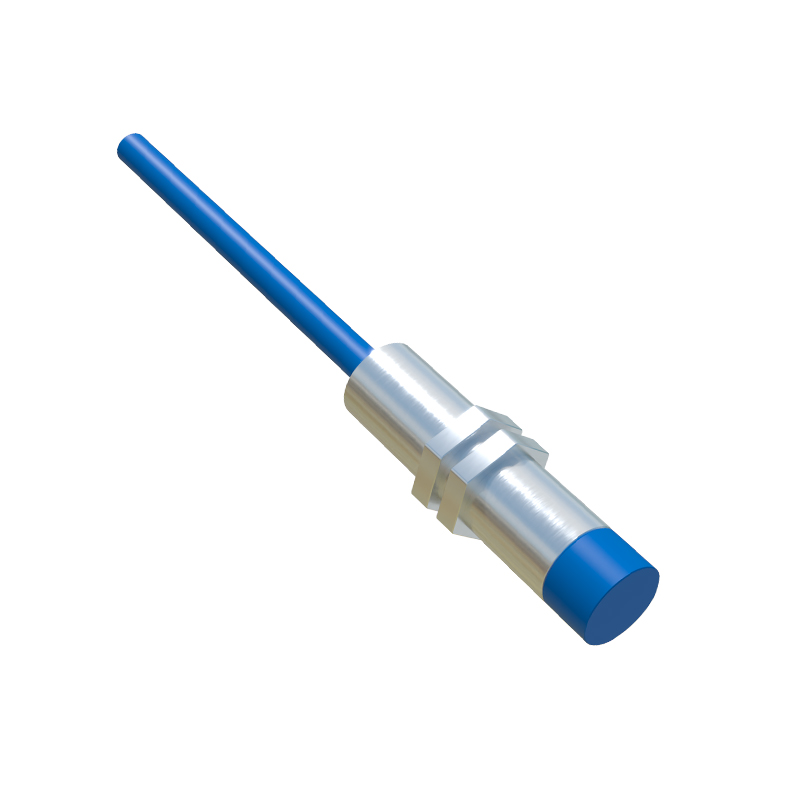
Capacitive Proximity Sensors: These sensors can detect both metallic and non-metallic materials, including liquids, powders, and plastics. They function by generating an electrostatic field. When any object with a dielectric constant different from air enters this field, it alters the capacitance of the circuit. This change is measured, and the sensor switches its output state. Capacitive sensors are versatile and can even detect materials through certain non-metallic barriers, making them useful for level detection in tanks or presence detection of packaged goods.
Photoelectric Sensors: While sometimes categorized separately, they function as proximity sensors. They operate on the principle of light transmission and reception. A light source (often LED-based infrared, red, or laser) emits a beam. A receiver detects either the reflection of this beam from a target (diffuse mode), the interruption of a beam sent to a separate receiver (through-beam mode), or the reflection from a dedicated reflector (retro-reflective mode). Photoelectric sensors offer long sensing ranges and can detect virtually any object, but their performance can be affected by environmental factors like dust, fog, or ambient light.
Ultrasonic Proximity Sensors: These sensors use sound waves beyond the human hearing range. They emit ultrasonic pulses and measure the time it takes for the echo to return from a target object. By calculating this time-of-flight, they can determine both presence and distance. Ultrasonic sensors are excellent for detecting a wide variety of objects, regardless of color or material transparency, and are commonly used for level sensing, distance measurement, and object detection in challenging environments.
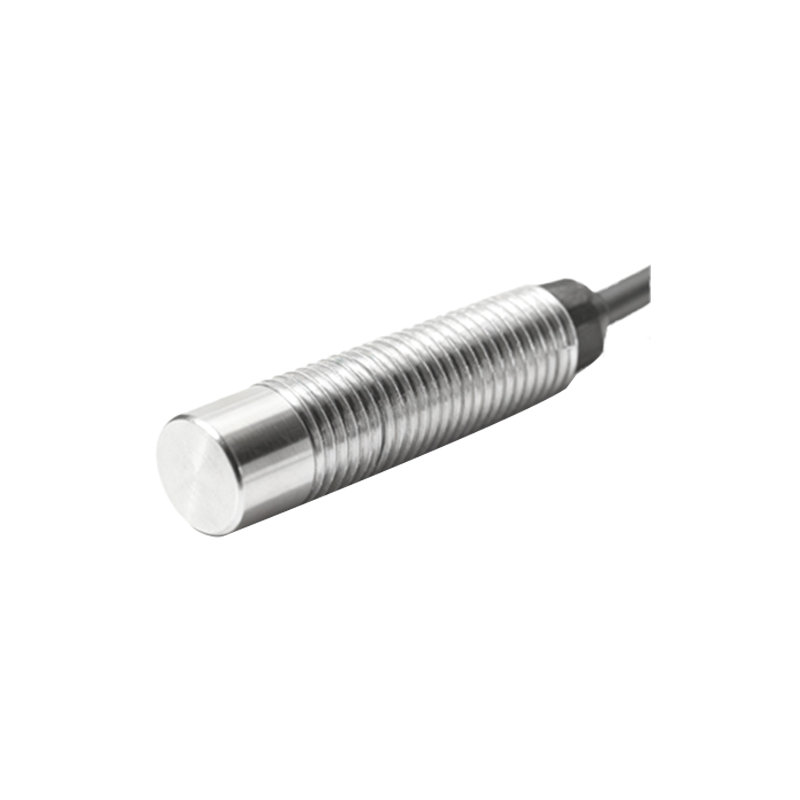
Magnetic Proximity Sensors (Reed Switches/Hall Effect): These detect the presence of a permanent magnet. Reed switches use hermetically sealed ferromagnetic reeds that close when a magnetic field is applied. Hall Effect sensors produce a voltage output proportional to the magnetic field strength. They are often used for detecting the position of cylinders (with embedded magnets) or in safety applications.
The selection of an appropriate proximity sensor is critical for system performance. Key criteria include:
1. Target Material: Metal detection calls for inductive sensors, while non-metallics require capacitive, photoelectric, or ultrasonic types.
2. Sensing Distance: The required operating distance (nominal sensing range) varies. Manufacturers specify this as the "Sn" value.
3. Output Type: Digital (PNP/NPN switching) or analog (4-20mA, 0-10V) outputs are available to interface with PLCs or controllers.
4. Environmental Conditions: Factors like temperature, humidity, presence of chemicals, washdown requirements, and electrical noise must be considered. Many sensors feature IP (Ingress Protection) ratings for dust and water resistance.
5. Size and Mounting: The physical constraints of the installation location dictate the sensor's housing style (e.g., cylindrical, rectangular) and mounting method.
6. Response Speed and Frequency: The sensor's ability to detect objects in rapid succession is vital for high-speed production lines.
Applications are vast and span across all industries. In automotive manufacturing, inductive sensors count parts on conveyors or verify robot arm positions. In food and beverage, capacitive sensors monitor liquid levels in stainless steel tanks, while photoelectric sensors verify label placement on bottles. In packaging, ultrasonic sensors ensure correct