The landscape of gas detection, particularly for methane, is undergoing a profound transformation driven by technological innovation. In the electrical and energy industries, where safety, efficiency, and environmental compliance are paramount, the emergence of airborne laser methane sensors represents a quantum leap forward. These sophisticated devices, mounted on drones, helicopters, or fixed-wing aircraft, are redefining how we monitor, manage, and mitigate risks associated with methane emissions across vast and often inaccessible infrastructure.
Traditional ground-based methane detection methods, while reliable for point measurements, face significant limitations in coverage, speed, and access. Surveying extensive pipeline networks, remote power generation facilities, sprawling substations, or large-scale storage sites is labor-intensive, time-consuming, and can pose safety risks to personnel. Airborne laser methane sensors overcome these hurdles by utilizing advanced spectroscopic principles, primarily Tunable Diode Laser Absorption Spectroscopy (TDLAS). The sensor emits a highly focused laser beam at a specific wavelength that is selectively absorbed by methane molecules. By measuring the degree of absorption of the reflected or backscattered light, the sensor can precisely quantify methane concentration along the laser path, creating a detailed concentration profile.
The operational advantages for electrical and utility engineers are substantial. First and foremost is the unparalleled scale and speed of inspection. An airborne platform equipped with a laser sensor can survey hundreds of kilometers of pipeline rights-of-way or thousands of acres of facility per day, identifying potential leaks with pinpoint accuracy. This capability is crucial for preventive maintenance in the energy sector, allowing for the rapid prioritization of repair efforts before minor leaks escalate into major safety incidents or significant product loss. For electrical utilities operating near natural gas infrastructure or landfills (a source of methane), these sensors provide critical data for risk assessment and planning, ensuring the safety and reliability of electrical networks.
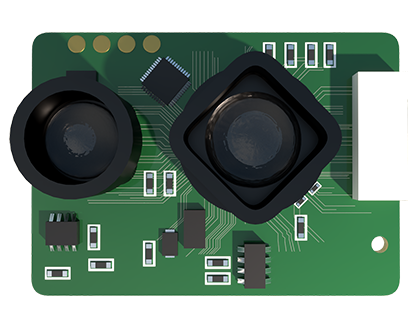
Furthermore, the technology offers exceptional sensitivity and selectivity. Modern airborne laser methane sensors can detect methane concentrations in the parts-per-million (ppm) range, even from altitudes of several hundred feet. Their laser-based nature makes them highly specific to methane, largely immune to interference from other gases commonly found in industrial environments. This reduces false positives and ensures that resources are directed toward genuine threats. The data collected is inherently geotagged, allowing for seamless integration into Geographic Information Systems (GIS) and asset management platforms. Engineers can visualize leak locations overlaid on maps, track concentration trends over time, and generate comprehensive compliance reports for regulatory bodies with unprecedented ease and accuracy.
From an environmental, social, and governance (ESG) perspective, the adoption of this technology is a game-changer. Methane is a potent greenhouse gas, and its mitigation is a global priority. Airborne sensors enable companies to conduct frequent, comprehensive emissions inventories, identify super-emitter events, and verify the effectiveness of reduction strategies. This not only demonstrates regulatory compliance but also strengthens corporate sustainability credentials. The ability to quickly detect and repair leaks directly translates to reduced greenhouse gas emissions and conserved resources, aligning operational goals with environmental stewardship.
The integration of this technology does not come without considerations. Operational success depends on factors such as platform stability, flight planning expertise, weather conditions (e.g., heavy rain or fog can attenuate the laser signal), and data interpretation skills. The initial capital investment for high-end sensor systems and certified aerial operations can be significant. However, when weighed against the costs of undetected leaks—including safety risks, regulatory fines, lost product, and reputational damage—the return on investment is compelling and often rapid.

Looking ahead, the convergence of airborne laser methane sensing with other technologies like artificial intelligence and machine learning promises even greater utility. AI algorithms can be trained to automatically classify detected plumes, predict leak rates, and even forecast potential failure points based on historical data and sensor readings. This evolution towards predictive analytics will empower engineers to shift from a reactive maintenance model to a truly predictive and prescriptive one, enhancing the resilience and intelligence of critical energy and electrical infrastructure.
In conclusion, airborne laser methane sensors are far more than just a novel detection tool; they are a foundational component of the modern, data-driven utility and energy enterprise. By providing rapid, accurate, and extensive methane monitoring capabilities, they enhance safety protocols, optimize operational efficiency, ensure regulatory compliance, and support vital environmental objectives. For forward-thinking engineers and asset managers, embracing this technology is not merely an option but a strategic imperative for building safer, more reliable, and more sustainable infrastructure for the future.