In the evolving landscape of industrial automation, consumer electronics, and IoT devices, the integration of sensing technology with universal connectivity standards has become paramount. Among these, USB infrared proximity sensors represent a significant convergence of reliable detection and plug-and-play convenience. This article delves into the operational principles, key integration factors, and diverse applications of these sensors, providing a technical overview for engineers and system designers.
Fundamentally, an infrared proximity sensor operates by emitting an infrared light beam (typically from an LED) and measuring the intensity of the light that reflects back to a photodetector. The core principle is based on the inverse square law of light propagation; the amount of reflected light decreases with the square of the distance to the target object. This analog signal is then processed by an onboard microcontroller which converts the proximity data into a digital format. The integration of a USB interface, commonly USB 2.0 Full-Speed or USB-C for modern designs, transforms this standalone sensor into a versatile peripheral. The USB interface handles both power delivery (typically 5V DC) and bidirectional data communication, eliminating the need for separate power supplies and complex analog signal conditioning circuits.
The advantages of opting for a USB form factor are substantial. First and foremost is the drastic simplification of installation and configuration. Engineers can bypass traditional wiring harnesses, analog-to-digital converters (ADCs), and dedicated controller cards. The sensor appears as a standard Human Interface Device (HID) or a virtual COM port on the host computer, allowing for rapid prototyping and deployment using common APIs and libraries. This plug-and-play functionality significantly reduces development time and system complexity. Furthermore, USB provides a stable and regulated power source, enhancing the consistency of the sensor's performance compared to systems reliant on variable external power supplies.
From a technical specification standpoint, several parameters are critical when selecting a USB infrared proximity sensor. The sensing range is primary, varying from a few centimeters for object detection to several meters for presence sensing, depending on the IR LED power and receiver sensitivity. Resolution and repeatability determine the sensor's precision in detecting minute distance changes. The response time, often in the millisecond range, is crucial for high-speed applications. The output type via USB can be simple digital (object present/absent), scaled analog values mapped to digital, or fully calibrated distance measurements in millimeters. Environmental robustness is another key consideration; factors like ambient light immunity (sunlight or other IR sources), operating temperature range, and the material and color dependency of the target object must be evaluated. A black, non-reflective surface absorbs IR light, drastically reducing effective range compared to a white, reflective one.
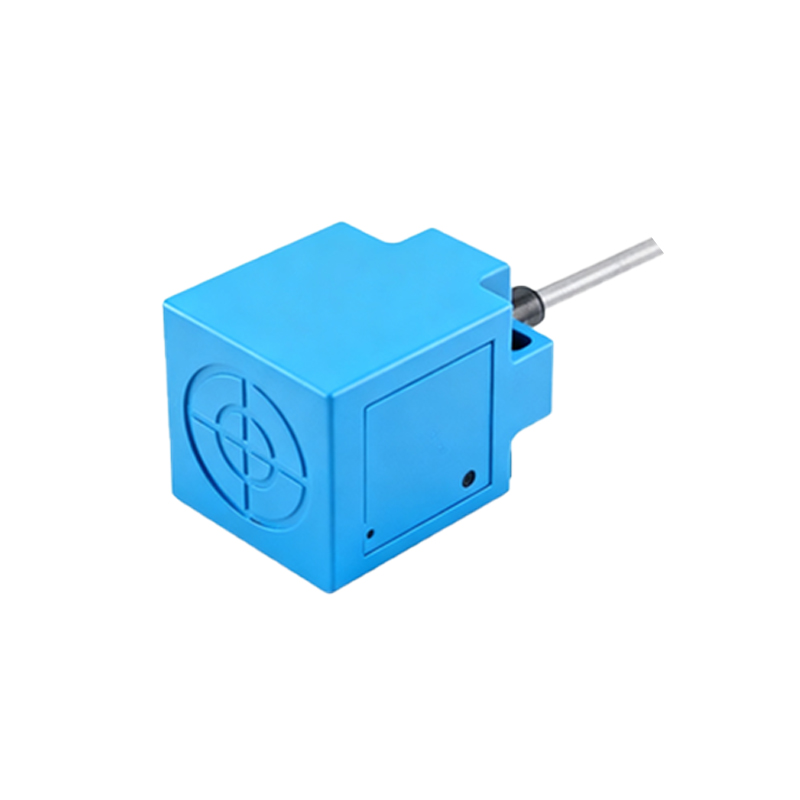
The applications for USB infrared proximity sensors are vast and cross-disciplinary. In industrial automation, they are deployed for non-contact object counting, jam detection in conveyor systems, and precise positioning of robotic arms. The USB interface allows for easy logging of sensor data directly to a supervisory PC for process analysis. In the realm of interactive kiosks and digital signage, these sensors enable energy-saving features by detecting user presence to wake displays from sleep mode, and also facilitate touchless gesture control. The security and surveillance sector utilizes them for intrusion detection in perimeter monitoring, where their USB connectivity simplifies integration with network video recorders (NVRs) and security software platforms. Furthermore, in consumer electronics and PC peripherals, they are integral to features like automatic display dimming in laptops when a user steps away or touchless input devices.
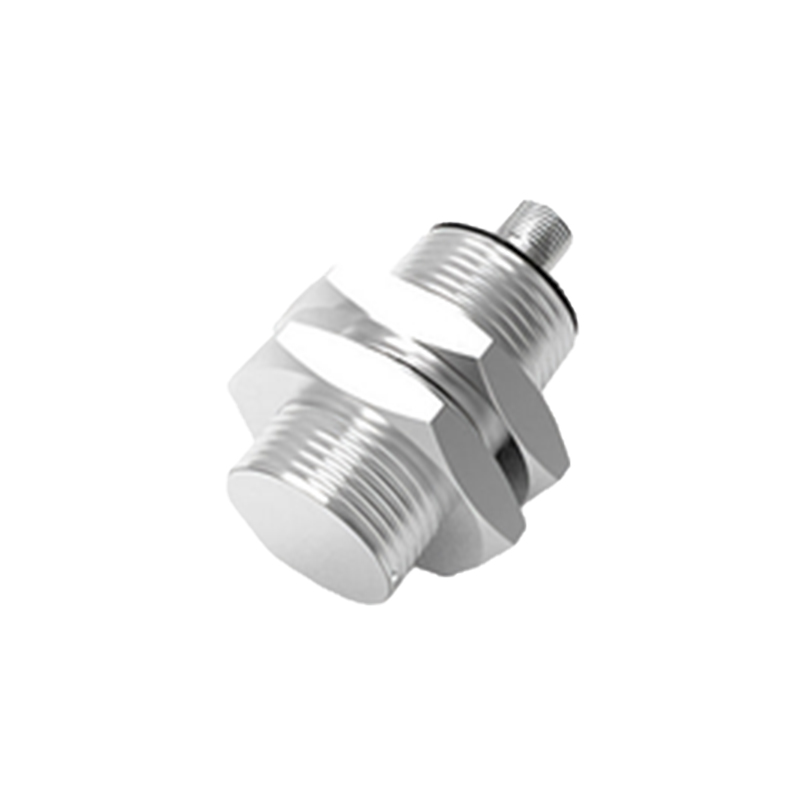
Despite their advantages, engineers must account for certain limitations. Infrared sensors can be susceptible to interference from strong ambient IR light and may not perform reliably with transparent or highly absorptive materials. The effective range is generally shorter than that of ultrasonic sensors, though they offer better resistance to environmental factors like dust or acoustic noise. The choice of USB cable length is also constrained by the USB specification's maximum length for reliable data transmission without hubs, typically around 5 meters for USB 2.0, which can limit physical placement in large-scale installations.
In conclusion, USB infrared proximity sensors offer a compelling blend of reliable sensing technology and universal digital connectivity. Their ease of integration, powered by the ubiquitous USB standard, makes them an accessible and powerful tool for engineers across automation, product design, and system integration fields. By carefully evaluating technical specifications against application requirements—particularly sensing range, environmental conditions, and output data format—designers can effectively leverage these sensors to create more intelligent, responsive, and efficient systems. As the demand for smarter, connected devices grows, the role of such integrated sensor solutions will only continue to expand.