In the realm of industrial automation, metal proximity sensors are indispensable components, enabling non-contact detection of metallic objects with high precision and reliability. These sensors play a critical role in applications ranging from assembly line monitoring and robotic guidance to safety systems and material handling. Selecting the right brand is paramount, as it directly impacts system performance, durability, and overall operational efficiency. This article explores leading brands in the metal proximity sensor market, highlighting their technological innovations, product ranges, and industry applications.
One of the most renowned names is Sick AG, a German powerhouse known for engineering excellence. Sick's inductive proximity sensors, such as the IM series, offer exceptional sensing ranges, robust housing (often in stainless steel or nickel-plated brass), and advanced features like IO-Link connectivity for smart factory integration. Their sensors are designed to withstand harsh environments, including extreme temperatures, vibrations, and exposure to coolants or oils, making them a top choice for automotive and heavy machinery sectors.
Another key player is Omron Corporation, a Japanese leader in automation technology. Omron's E2E and E2A series sensors are celebrated for their compact design, high-speed response, and superior noise immunity. The brand emphasizes innovation, with models featuring built-in diagnostics, temperature compensation, and enhanced resistance to welding spatter. Omron sensors are widely used in electronics manufacturing, packaging, and semiconductor industries, where precision and miniaturization are crucial.
Pepperl+Fuchs, also based in Germany, stands out for its specialized expertise in sensor solutions for hazardous areas. Their inductive proximity sensors, like the NBB series, often carry ATEX and IECEx certifications, ensuring safe operation in explosive atmospheres found in chemical plants or oil refineries. The brand offers a vast portfolio, including cylindrical and rectangular designs with extended sensing distances, catering to diverse installation needs in process automation.
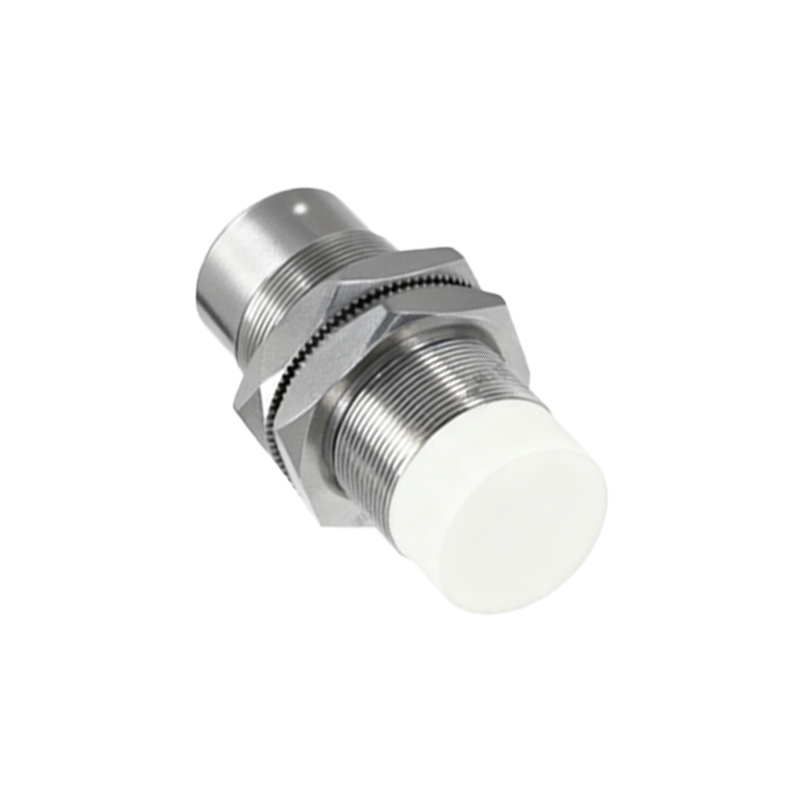
Balluff GmbH, another German manufacturer, is highly regarded for its high-performance sensors and network compatibility. Balluff's BES series provides versatile options with various housing materials, output configurations, and connector types. A standout feature is their focus on Industry 4.0 readiness, with many sensors supporting PROFINET, EtherNet/IP, and RFID integration, facilitating seamless data exchange in connected industrial systems.
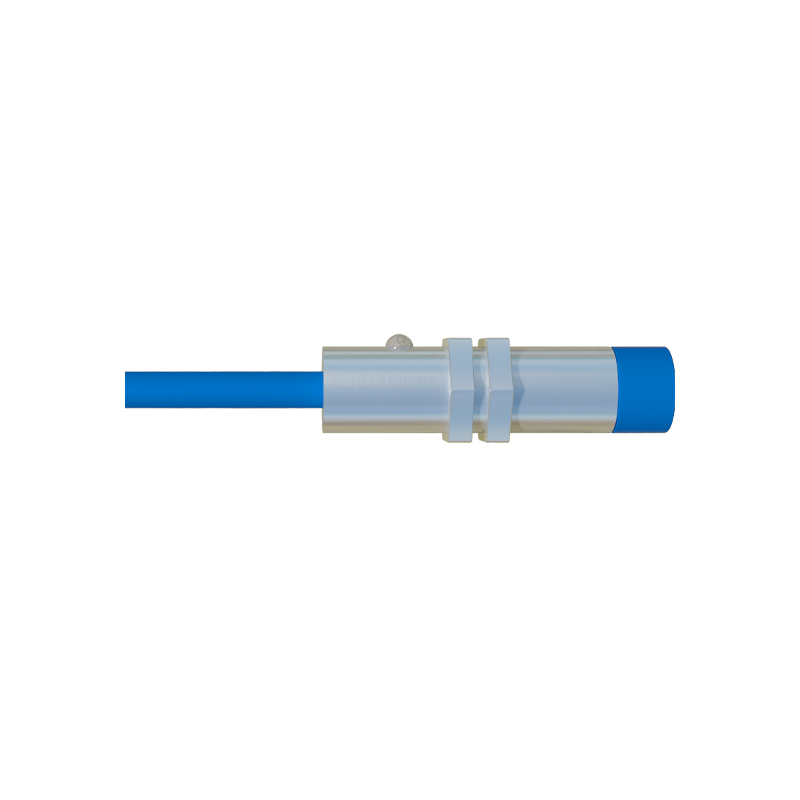
Rockwell Automation (Allen-Bradley) represents a strong American presence, offering sensors that integrate seamlessly with their broader control and information solutions. The Allen-Bradley 871TM series, for instance, delivers reliable detection in demanding applications like metal stamping or conveyor systems. Rockwell emphasizes ease of use, with clear status indicators and simple mounting, appealing to industries seeking unified automation platforms.
IFM Electronic, a global sensor specialist, combines innovation with user-centric design. Their inductive sensors, such as the IQ series, feature patented technologies for precise detection of different metal types (e.g., steel, aluminum) and conditions. IFM is known for intuitive setup tools, like visual LED diagnostics, and durable constructions that meet IP67/IP69K ratings, ideal for food and beverage or agricultural machinery where washdowns are common.
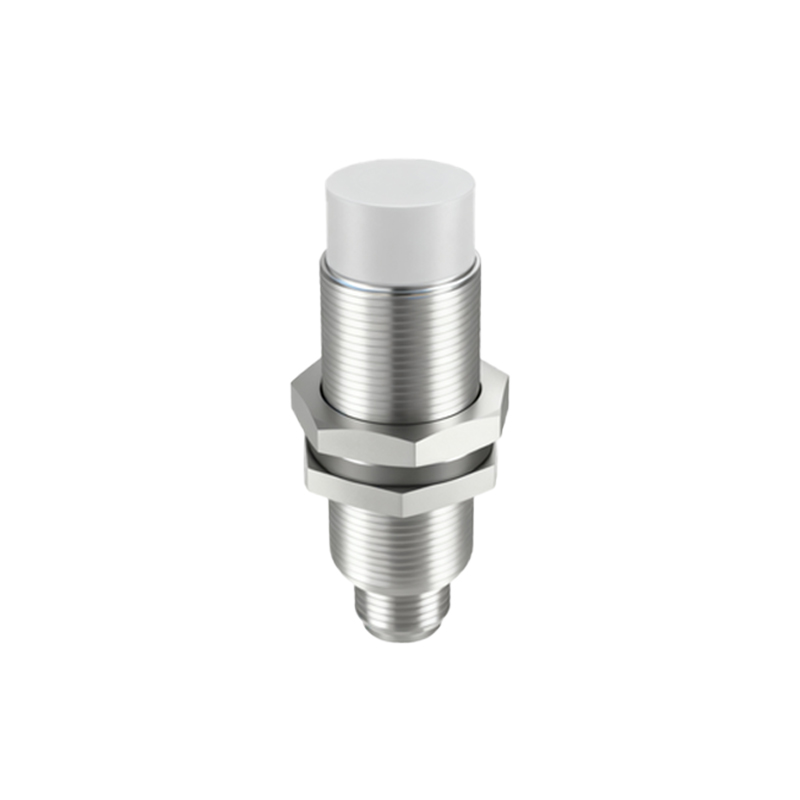
Emerging trends are shaping the future of metal proximity sensors. Brands are increasingly incorporating smart functionalities, such as condition monitoring and predictive maintenance alerts via IO-Link. Miniaturization continues, enabling sensors to fit into tighter spaces without sacrificing range. Additionally, enhanced materials and coatings are improving resistance to abrasion, chemicals, and electromagnetic interference.
When choosing a brand, engineers should consider factors like sensing distance requirements, environmental conditions (temperature, humidity, contaminants), electrical specifications (AC/DC, output type), and compatibility with existing control systems. Certifications (e.g., UL, CE) and after-sales support, including technical documentation and global availability, are also vital for long-term reliability.
In conclusion, the landscape of metal proximity sensor brands is dominated by companies that prioritize precision, robustness, and technological advancement. Sick, Omron, Pepperl+Fuchs, Balluff, Rockwell Automation, and IFM each bring unique strengths, catering to specific industrial needs. As automation evolves, these brands are poised to drive innovation, ensuring efficient and safe operations across manufacturing, energy, and logistics sectors worldwide.