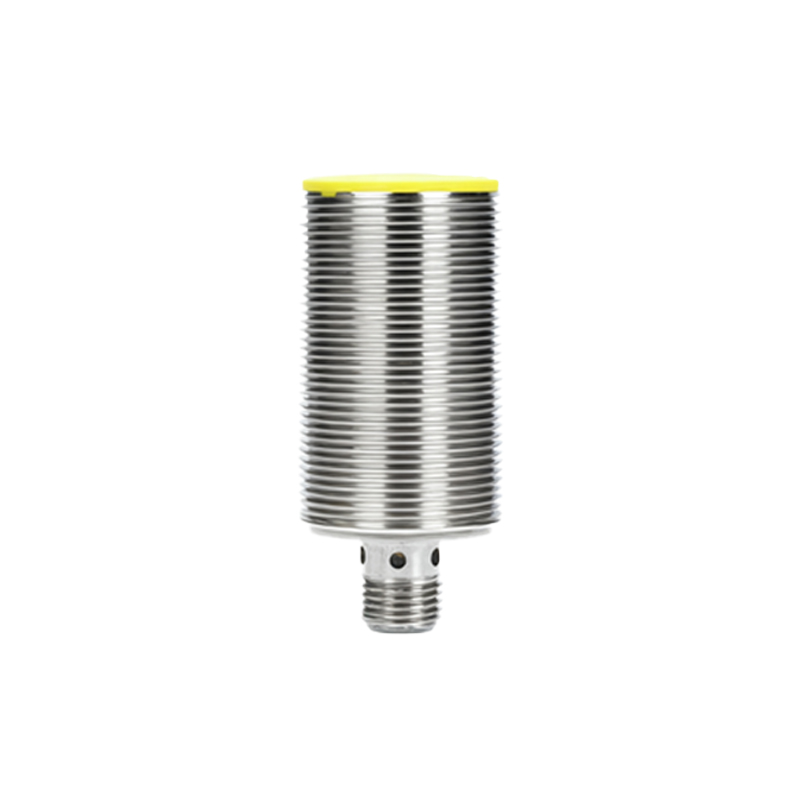
In the realm of industrial automation and process control, the reliable detection of objects in extreme environments is paramount. High temperature proximity sensors, specifically designed to operate in elevated thermal conditions, have become indispensable components across sectors such as metallurgy, glass manufacturing, foundries, and power generation. Unlike standard inductive or capacitive sensors, these specialized devices are engineered to withstand ambient temperatures that can exceed 200°C (392°F) and, with certain designs and cooling accessories, even approach 400°C (752°F). Their core function remains unchanged: to detect the presence or absence of a metallic or non-metallic target without physical contact, thereby enabling precise control, safety interlocks, and process monitoring.
The operational principle of a high temperature inductive proximity sensor is based on generating an electromagnetic field. When a metallic target enters this field, eddy currents are induced within the target, causing a change in the oscillation amplitude within the sensor's internal circuit. This change is detected and converted into a solid-state output signal, typically a switching signal. The critical distinction lies in the materials and construction. Standard electronic components would rapidly fail under intense heat. Therefore, high-temperature variants incorporate specialized components such as high-temperature-resistant coils wound with specific wire types, ceramics, and advanced potting compounds that maintain integrity and insulation properties. The housing is often constructed from stainless steel grades like 316L or specialized nickel alloys, which offer superior resistance to thermal expansion, corrosion, and mechanical stress.
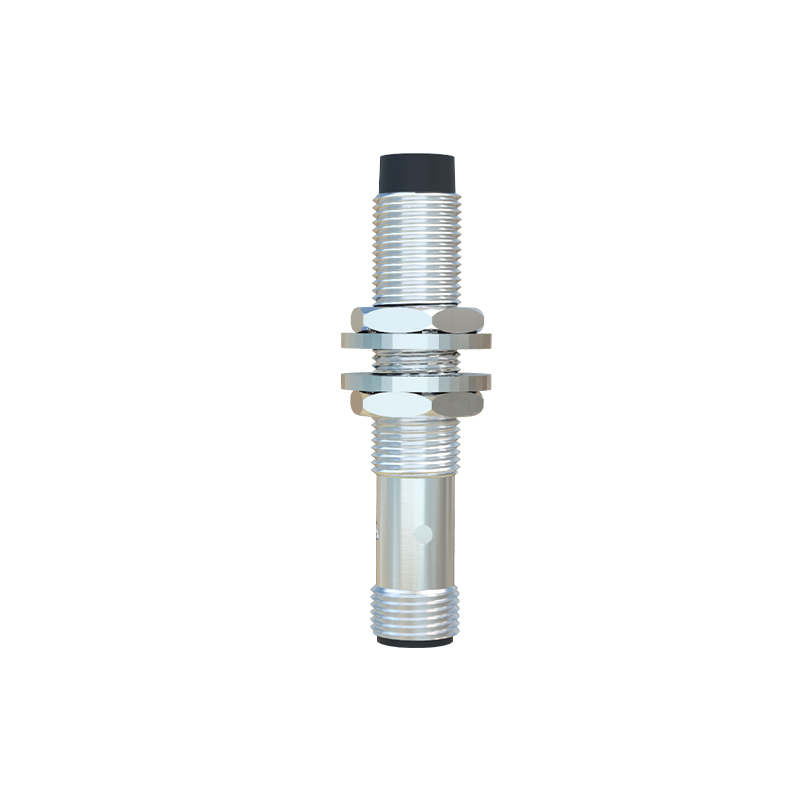
Selecting the appropriate high temperature proximity switch requires careful consideration of several key parameters. First is the rated operating temperature range, which must comfortably exceed the maximum ambient temperature of the installation point, factoring in heat radiation from nearby equipment. The sensing distance, or nominal range, may be slightly reduced compared to standard models at elevated temperatures, a factor accounted for in the datasheet. The housing material's resistance to thermal cycling—repeated heating and cooling—is crucial to prevent fatigue and cracking. Connection methods are also vital; high-temperature cables with silicone or PTFE insulation are mandatory, and some models feature integral cooling chambers or air purge fittings to create a protective air barrier between the hot environment and the sensing face.
Applications are diverse and demanding. In steel mills, these sensors monitor the position of red-hot billets on roller conveyors. In glass production lines, they detect molten glass or hot bottles exiting annealing lehrs. Within automotive foundries, they ensure robotic arms correctly handle hot engine blocks. In ceramic kilns, they verify the placement of items on sintering trays. The failure of a sensor in these scenarios can lead to production downtime, safety hazards, or significant product quality issues, underscoring their critical role.
Installation and maintenance practices are pivotal for longevity. Sensors should be mounted to minimize direct exposure to radiant heat where possible, using mounting brackets as heat sinks. Ensuring a steady flow of cooling air, if such a system is employed, is essential. Regular inspection for buildup of dust, scale, or metallic particles on the sensing face is necessary, as accumulation can impair performance. Electrical connections must be checked for integrity, as high temperatures can degrade insulation over time.
The evolution of high temperature proximity sensors continues, driven by the needs of Industry 4.0. Modern versions integrate advanced diagnostics, such as temperature monitoring of the sensor head itself or output status indicators, facilitating predictive maintenance. Their robust design not only ensures continuity in harsh conditions but also contributes to overall system efficiency and safety. As industrial processes push the boundaries of temperature and reliability, these sensors will remain at the forefront, providing the essential "eyes" for automated systems where human intervention is neither safe nor feasible. Their silent, unwavering operation is a testament to precision engineering solving some of industry's most thermally challenging problems.