Proximity sensors have become indispensable components in modern industrial automation, offering non-contact detection of objects with high precision and reliability. These devices operate by emitting an electromagnetic field or a beam of electromagnetic radiation and detecting changes in the field or return signal. The absence of physical contact between the sensor and the target object minimizes wear and tear, ensuring longevity and reducing maintenance costs. This technology is widely adopted across various sectors, including manufacturing, automotive, aerospace, and robotics, where efficiency and safety are paramount.
There are several types of proximity sensors, each suited to specific applications based on their operating principles. Inductive proximity sensors are ideal for detecting metallic objects, utilizing electromagnetic induction to sense ferrous and non-ferrous metals. They are commonly used in machining centers, conveyor systems, and assembly lines to monitor the presence or position of metal parts. Capacitive proximity sensors, on the other hand, can detect both metallic and non-metallic materials, such as plastics, liquids, and granular substances. By measuring changes in capacitance, these sensors are effective in level detection, material handling, and packaging industries. Ultrasonic proximity sensors use sound waves to detect objects, making them suitable for harsh environments where dust, moisture, or temperature variations might affect other sensor types. They excel in distance measurement and object detection in applications like tank level monitoring and automated guided vehicles (AGVs). Finally, photoelectric proximity sensors employ light beams, typically infrared, to sense objects, offering long-range detection and high-speed response, which is crucial in sorting systems, security, and precision alignment tasks.
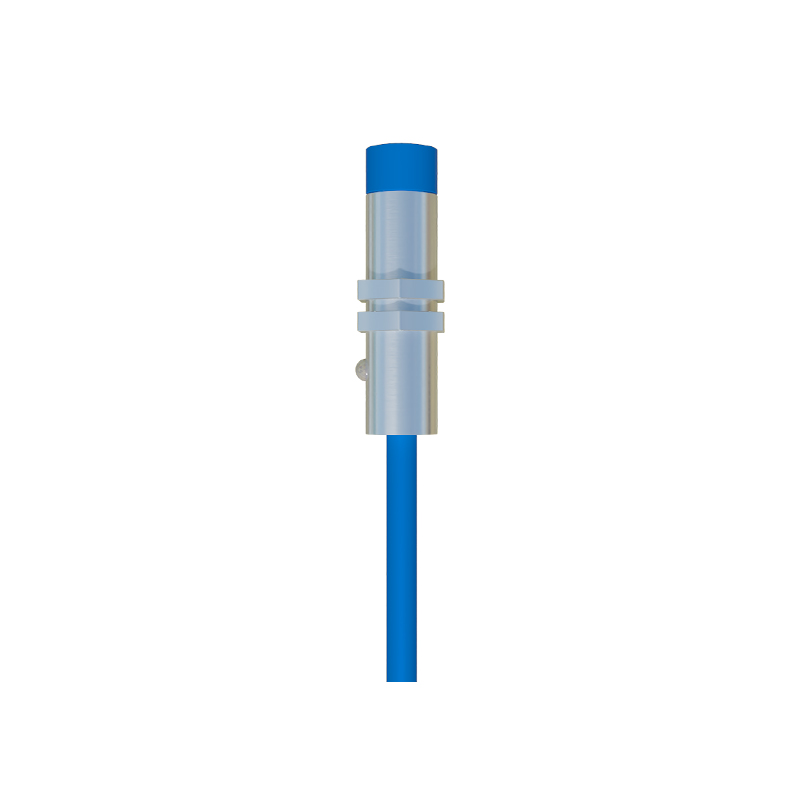
The integration of proximity sensors into industrial systems significantly enhances operational efficiency. By providing real-time data on object presence, position, and movement, these sensors enable precise control of machinery and processes. For instance, in automated production lines, proximity sensors ensure that components are correctly positioned for assembly, reducing errors and minimizing downtime. In robotics, they facilitate safe interaction between machines and humans by detecting proximity and triggering emergency stops if necessary. This not only boosts productivity but also adheres to stringent safety standards, such as those outlined by OSHA and ISO regulations. Moreover, the advent of Industry 4.0 and the Internet of Things (IoT) has further expanded the role of proximity sensors. When connected to networked systems, these sensors contribute to predictive maintenance by monitoring equipment conditions and alerting operators to potential failures before they occur. This data-driven approach minimizes unplanned outages and optimizes resource utilization, leading to cost savings and improved sustainability.
Despite their advantages, selecting the right proximity sensor requires careful consideration of environmental factors and application requirements. Factors such as sensing range, response time, material composition of target objects, and environmental conditions (e.g., temperature, humidity, and exposure to chemicals) must be evaluated to ensure optimal performance. For example, in high-vibration settings, robust sensors with sturdy housings are preferred to prevent false triggers. Additionally, calibration and installation play critical roles in sensor accuracy; improper alignment or interference from nearby electronic devices can lead to unreliable readings. Regular testing and maintenance are essential to uphold sensor reliability over time.
Looking ahead, advancements in proximity sensor technology continue to drive innovation in automation. Developments in miniaturization, energy efficiency, and smart sensing capabilities are making these devices more versatile and accessible. Future trends may include the integration of artificial intelligence (AI) for adaptive sensing, where sensors can learn and adjust to changing conditions autonomously. As industries strive for greater automation and connectivity, proximity sensors will remain at the forefront, enabling smarter, safer, and more efficient operations. By understanding their principles and applications, engineers and technicians can leverage this technology to solve complex challenges and push the boundaries of what is possible in the industrial landscape.