In the world of industrial automation and control systems, proximity sensors are indispensable components. These non-contact sensing devices detect the presence or absence of an object within a specified range without any physical contact. Their reliability, speed, and durability make them a cornerstone of modern manufacturing, robotics, and safety systems. This guide delves into the fundamental principles, common types, key applications, and critical selection criteria for proximity sensors.
At their core, proximity sensors operate by emitting an electromagnetic field, beam, or ultrasonic wave and monitoring for changes in the field or return signal. When a target object enters this field, it causes a detectable change—such as a change in capacitance, inductance, or the reflection pattern of a beam—which the sensor converts into an electrical output signal. This output is typically a simple ON/OFF switch signal sent to a programmable logic controller (PLC) or other control unit.
Several primary types of proximity sensors dominate the market, each suited to specific materials and environments. Inductive proximity sensors are among the most common. They generate an oscillating electromagnetic field and detect the eddy current losses caused when a metallic object enters the field. Consequently, they are ideal for detecting ferrous and non-ferrous metals but are ineffective for non-metallic materials. They are widely used in metal detection, position sensing in machinery, and as limit switches.
Capacitive proximity sensors, on the other hand, can detect both metallic and non-metallic materials, including liquids, plastics, glass, and wood. They function by generating an electrostatic field and sensing the change in capacitance when any object with a dielectric constant different from air approaches. This makes them perfect for level detection in tanks (for liquids or granules), material handling, and presence detection of non-metallic objects on conveyor belts.
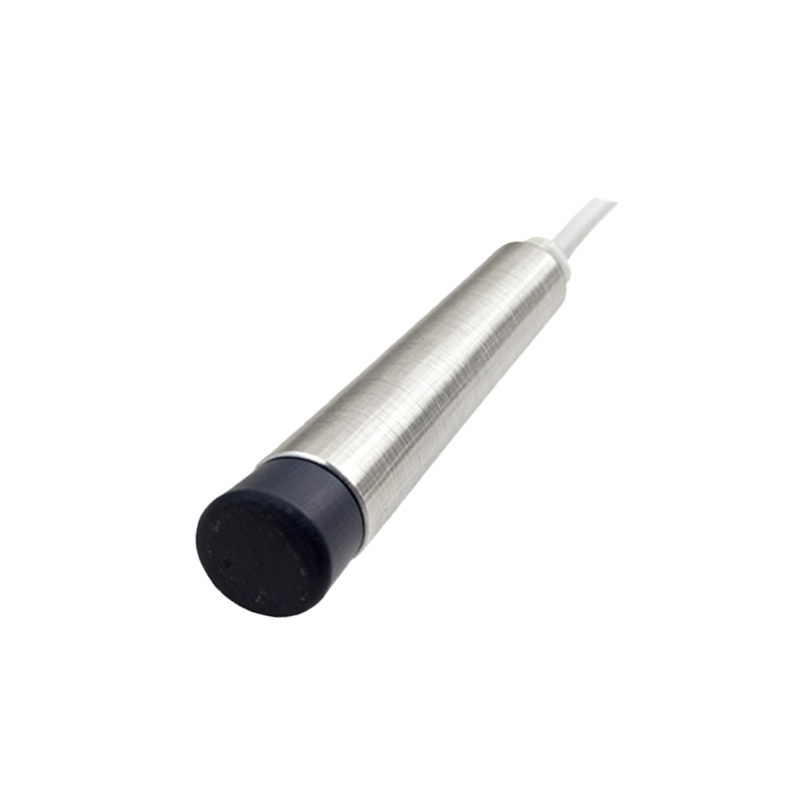
Photoelectric sensors, while sometimes categorized separately, are a crucial form of proximity sensing. They use a light emitter (usually LED or laser) and a receiver. When the light beam is interrupted or reflected by an object, the receiver detects the change. They offer the longest sensing ranges and are excellent for detecting objects of any material, provided they are not perfectly transparent. Common configurations include through-beam, retro-reflective, and diffuse reflective models.
Ultrasonic proximity sensors measure the time it takes for a high-frequency sound wave to reflect back from a target. They are excellent for precise distance measurement and can detect virtually any material, regardless of color or transparency. They are commonly used in challenging environments with dust, smoke, or moisture, such as in level monitoring of bulk solids or collision avoidance in automated guided vehicles (AGVs).
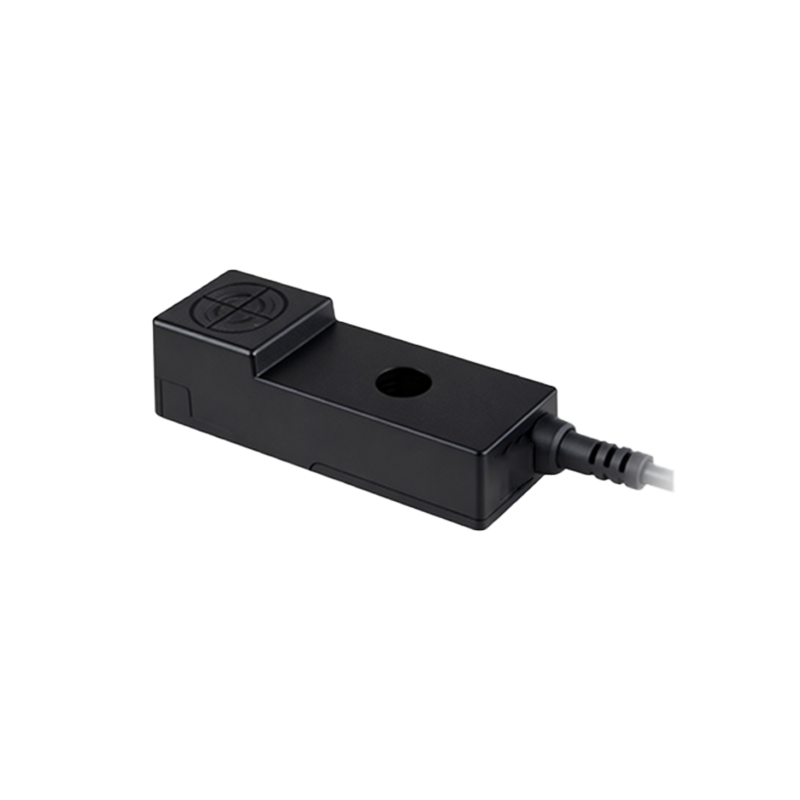
Key application areas for proximity sensors are vast. In automated assembly lines, they ensure parts are correctly positioned before a robotic arm performs an operation. In packaging machinery, they count products and verify lid placement. For safety, they are integral to light curtains and area guarding systems, instantly halting machines if a person breaches a protected zone. In the automotive industry, they are ubiquitous for position feedback in actuators, robotic welding, and part verification.
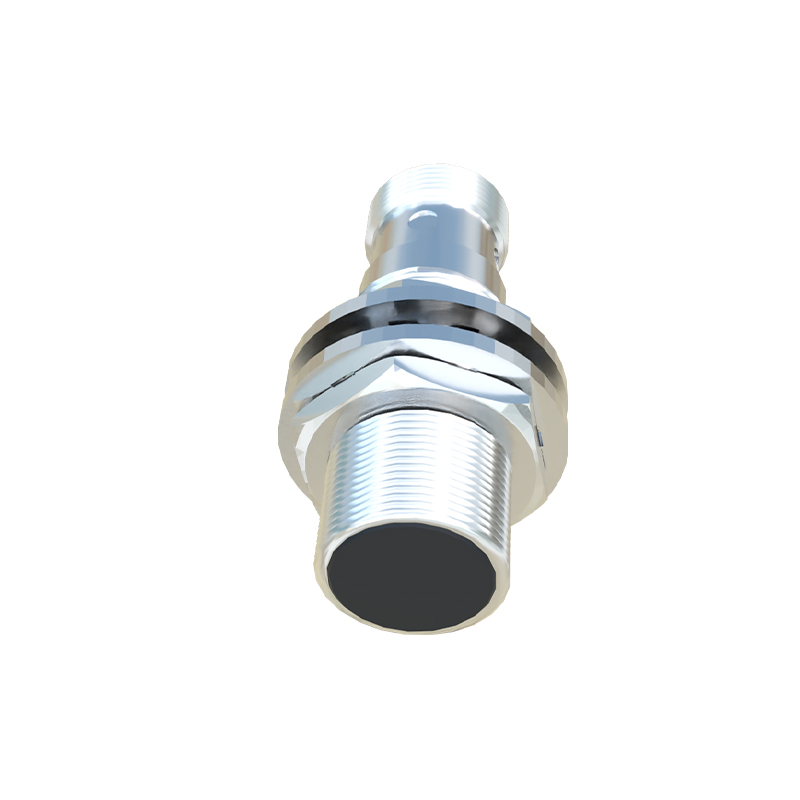
Selecting the right proximity sensor requires careful consideration of several factors. First, identify the target material (metal, plastic, liquid) to narrow down the sensor type (inductive, capacitive, etc.). The required sensing distance is critical; always consult the sensor's datasheet for the rated operating distance, typically specified for a standard target. Environmental conditions like temperature extremes, presence of chemicals, washdown requirements (IP rating), and electrical noise must be accounted for. The output type (NPN sinking, PNP sourcing, analog, or IO-Link) must be compatible with the control system. Finally, physical characteristics such as housing shape (barrel, rectangular), size, and mounting style are essential for mechanical integration.
Installation and maintenance are straightforward but vital for optimal performance. Ensure proper mounting to avoid sensor damage from vibration or impact. Maintain the correct gap between the sensor face and the target, and be mindful of the sensing field's shape to avoid false triggers from adjacent metal or background objects. Regular cleaning of the sensing face from dirt, oil, or debris is necessary, especially for capacitive and photoelectric sensors.
In conclusion, proximity sensors are the silent sentinels of automation, providing critical data for control and safety. Understanding their operating principles, the strengths and limitations of each type, and the nuances of application and selection is key to designing robust, efficient, and reliable automated systems. As technology advances, sensors continue to become smarter, smaller, and more integrated with industrial communication networks, further solidifying their role in the evolving landscape of Industry 4.0.