In the dynamic landscape of industrial automation and safety systems, proximity sensors with integrated alarm functionalities have emerged as critical components. These sophisticated devices go beyond simple detection; they provide an active, audible, or visual warning system that immediately alerts operators to potential issues, preventing equipment damage, production downtime, and enhancing workplace safety. Unlike standard proximity sensors that merely output a signal, these advanced versions incorporate logic to trigger an alarm when specific conditions are met, such as an object being too close, a target being absent for too long, or a detection pattern deviating from the norm.
The core technology behind these sensors remains based on non-contact detection principles. Inductive sensors detect metallic objects, capacitive sensors handle non-metallic materials like liquids or plastics, and ultrasonic sensors measure distance to various targets. The innovation lies in the embedded electronics that process the detection signal. A programmable logic controller (PLC) or a dedicated microprocessor within the sensor housing evaluates the signal against predefined thresholds. For instance, in a conveyor belt system, a proximity sensor with alarm can be set to monitor the presence of packages. If the sensor detects an absence of packages for a preset duration—indicating a jam or supply issue—it will not only send a signal to the central control system but also activate a built-in buzzer or flashing LED on the sensor itself. This localized, immediate alert allows for rapid response from nearby personnel.
The integration of alarm features significantly boosts operational efficiency. In machine tending applications, a sensor can monitor the correct positioning of a robotic arm or a workpiece. A deviation from the expected proximity triggers an alarm, halting the machine before a collision occurs. This predictive maintenance capability is invaluable, transforming a sensor from a passive component into an active guardian of machinery. It minimizes unplanned stoppages, reduces repair costs, and extends the lifespan of expensive equipment. The alarm output can be configured in various ways: a continuous tone for critical faults, an intermittent beep for warnings, or a specific light pattern for different error codes, enabling quick diagnosis.
Safety is the paramount benefit. In hazardous areas where human presence near moving parts is risky, these sensors create virtual safety zones. If an operator inadvertently steps into a monitored zone, the sensor detects the intrusion and instantly triggers a loud, unmistakable alarm while simultaneously sending a stop signal to the machinery. This dual function—detection and alert—is crucial for compliance with stringent international safety standards like ISO 13849. The alarms ensure that warnings are not just logged in a remote control room but are perceptible in the immediate environment where action is needed.
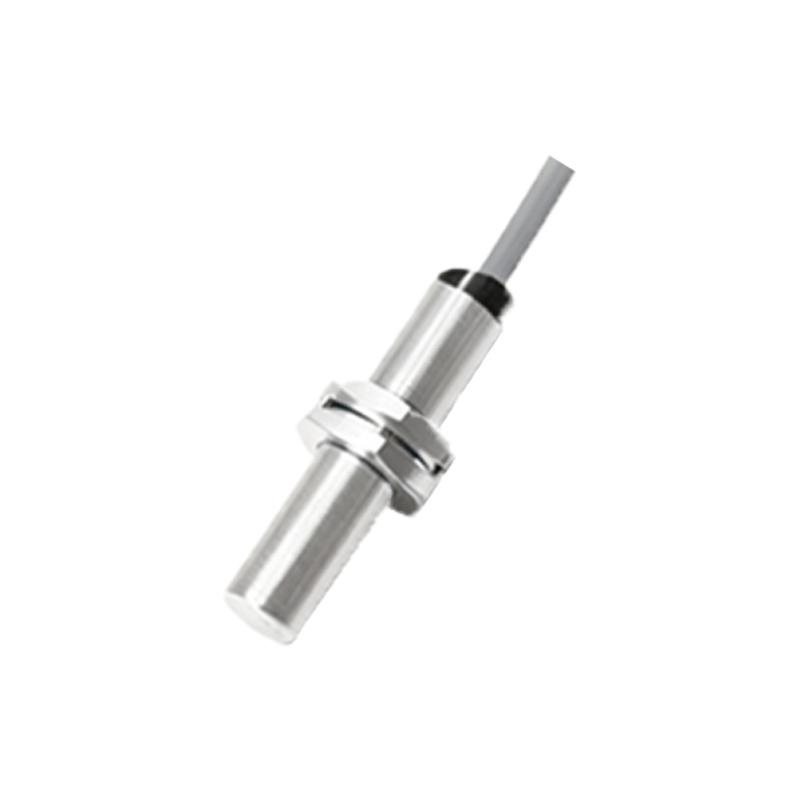
Choosing the right proximity sensor with an alarm requires careful consideration of several factors. The sensing range, type (inductive, capacitive, ultrasonic), output type (PNP/NPN relay for alarm), and the environmental rating (IP67 for dust and water resistance) are fundamental. Equally important is the programmability of the alarm parameters. Modern sensors often feature teach-in buttons or interface via simple configuration tools, allowing engineers to set sensitivity, delay timers, and alarm logic (latching or non-latching) directly on the device. This flexibility ensures they can be tailored for diverse applications, from monitoring liquid levels in tanks to ensuring proper door closure in automated vehicles.
Installation and wiring are straightforward, typically involving power connections, the load output, and the separate alarm output. Regular testing of both the sensing and alarm functions is recommended as part of routine maintenance to ensure reliability. As Industry 4.0 advances, many of these sensors now also offer IO-Link connectivity, enabling remote monitoring of sensor health, alarm history, and dynamic parameter adjustment from a central dashboard, further integrating them into smart factory ecosystems.
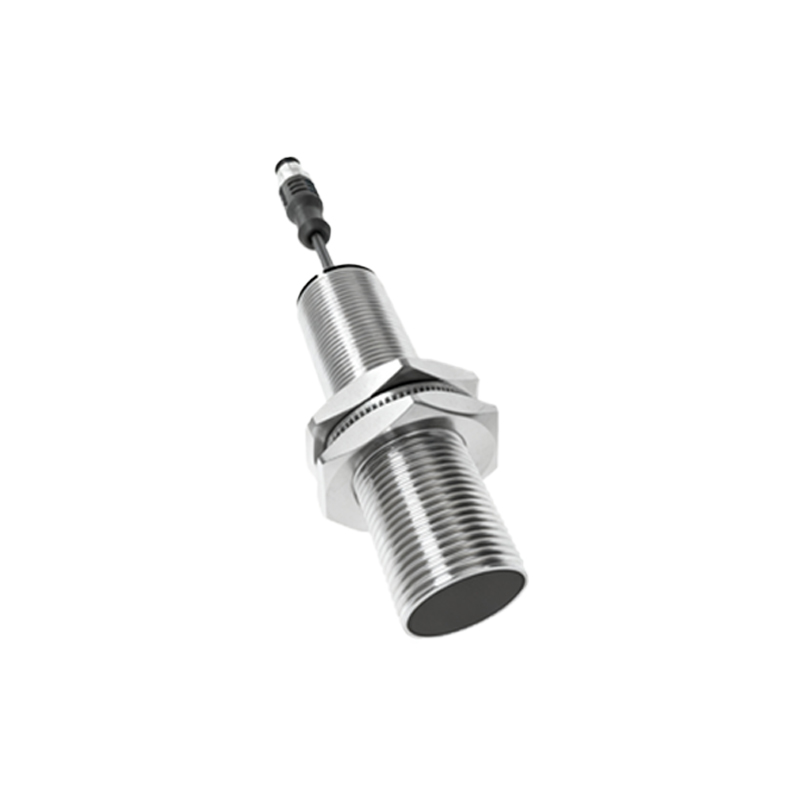
In conclusion, proximity sensors with alarm represent a significant evolution in sensor technology. They are not merely detectors but intelligent sentinels that combine precise measurement with immediate human-readable feedback. By providing an audible or visual cue directly at the source of a problem, they empower faster decision-making, fortify safety protocols, and contribute substantially to creating more resilient, efficient, and secure industrial operations. Their role is indispensable in moving from reactive troubleshooting to proactive system management.