In the realm of industrial automation and machinery control, precision and reliability are non-negotiable. Among the myriad of components that ensure seamless operation, the elbow proximity switch sensor stands out as a critical yet often understated device. This specialized sensor is engineered to detect the presence or absence of an object within a specific range without any physical contact, making it indispensable in environments where durability and accuracy are paramount.
Unlike standard proximity sensors, the elbow proximity switch features a distinct 90-degree angled housing. This design is not merely aesthetic; it serves a vital functional purpose. The bent configuration allows for installation in tight or congested spaces where straight sensors would be impractical or impossible to mount. This flexibility enables engineers to optimize machine layouts, reduce overall footprint, and simplify wiring routes. Common applications include robotic arms, conveyor systems, packaging machinery, and automated assembly lines, where space constraints and precise positional detection are daily challenges.
The operational principle of an elbow proximity switch sensor typically relies on electromagnetic, inductive, or capacitive sensing technology. Inductive variants, for instance, generate an oscillating electromagnetic field. When a metallic object enters this field, it induces eddy currents that dampen the oscillation, triggering the sensor's switch. This non-contact method eliminates mechanical wear, significantly extending the sensor's lifespan compared to traditional mechanical limit switches. The elbow design ensures the sensing face can be oriented optimally toward the target, enhancing detection reliability even in complex mechanical arrangements.
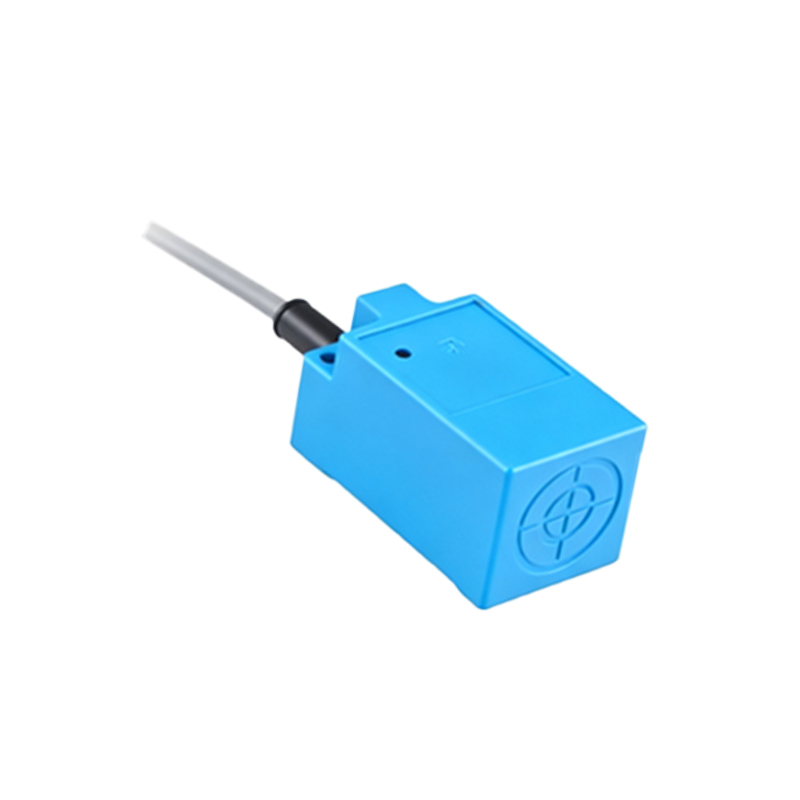
Selecting the appropriate elbow proximity switch requires careful consideration of several technical parameters. Sensing distance, measured in millimeters, dictates how far the target can be from the sensor's face. Environmental factors such as temperature extremes, exposure to chemicals, oils, or dust, and potential electrical interference must also be evaluated. Many models boast robust ingress protection (IP) ratings like IP67, ensuring resistance to dust and temporary immersion, which is crucial for harsh industrial settings. Additionally, output types—whether NPN, PNP, or analog—must align with the control system's requirements.
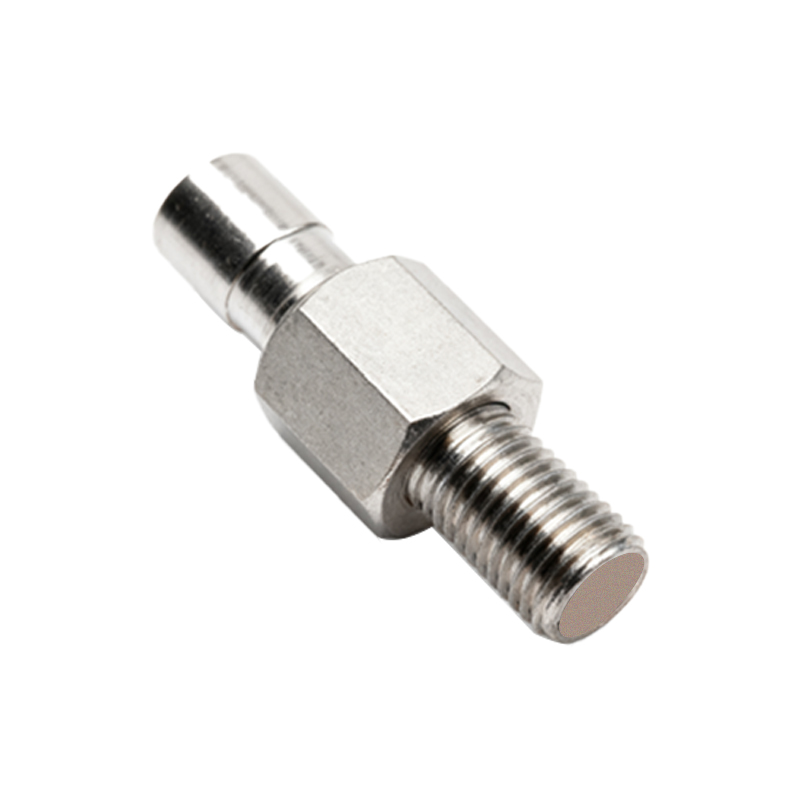
Installation and maintenance practices are straightforward but vital for long-term performance. Ensuring proper alignment with the target object, securing stable mounting, and verifying electrical connections are fundamental steps. Regular checks for accumulated debris on the sensing face and monitoring for signal consistency help prevent unexpected downtime. The inherent durability of these sensors means maintenance is minimal, but proactive oversight integrates them seamlessly into predictive maintenance schedules.
The evolution of Industry 4.0 and smart manufacturing has further elevated the role of elbow proximity switches. They are now integral to data-rich ecosystems, providing real-time feedback on machine component positions, cycle counts, and operational status. This data feeds into centralized control systems, enabling process optimization, energy efficiency, and enhanced safety protocols. Their rugged design and reliable performance underpin the automated, interconnected factories of the modern era.
In summary, the elbow proximity switch sensor is a cornerstone of industrial automation. Its unique angled design solves spatial challenges, while its non-contact sensing delivers unwavering reliability. From automotive manufacturing to food processing, these sensors facilitate the precise, efficient, and safe operation of machinery. As automation continues to advance, the demand for such specialized, robust components will only grow, solidifying their place on the factory floor. Understanding their function, selection criteria, and application is essential for any professional involved in system design or maintenance.