In the rapidly evolving landscape of industrial automation, consumer electronics, and smart systems, proximity sensors have become indispensable components. These non-contact devices detect the presence or absence of objects, enabling precise control, safety, and efficiency. Choosing the right brand is critical for reliability, performance, and long-term value. This guide explores leading proximity sensor manufacturers, highlighting their core strengths and typical applications.
For heavy-duty industrial environments, brands like Sick AG and Pepperl+Fuchs are often the first choice. Sick, a German powerhouse, is renowned for its ruggedness and innovation. Their sensors excel in challenging conditions—extreme temperatures, heavy vibration, and exposure to dust or coolants. They offer a vast portfolio, including inductive, capacitive, and ultrasonic sensors, with a strong focus on Factory Automation and logistics. Pepperl+Fuchs, another German leader, is synonymous with intrinsic safety and high precision, particularly in hazardous areas like chemical plants. Their expertise in sensing technology and interface electronics makes them a go-to for process automation.
In the realm of factory automation and control systems, Omron and Keyence stand out. Omron, a Japanese multinational, provides an exceptionally diverse range of sensors known for consistent quality and durability. Their offerings cover inductive, capacitive, photoelectric, and fiber-optic types, often featuring advanced diagnostics and easy integration with control networks. Keyence, also from Japan, is celebrated for its cutting-edge technology and user-friendly design. They push the envelope with ultra-high-speed, ultra-precision sensors and innovative solutions like confocal models for difficult-to-detect objects, making them favorites in high-precision manufacturing and electronics assembly.
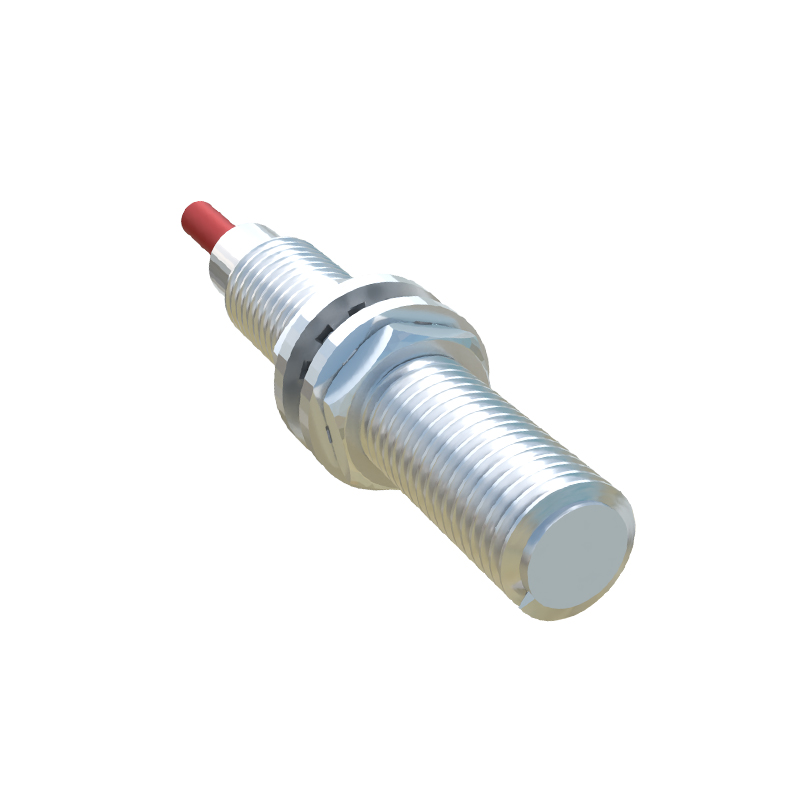
For a strong balance of global availability, technical support, and broad portfolio, Rockwell Automation (Allen-Bradley) and Siemens are dominant forces. Rockwell's Allen-Bradley sensors are integral to their integrated control and information solutions, preferred in North American manufacturing for seamless compatibility with PLC systems. Siemens, a European titan, offers sensors that are cornerstones of its Totally Integrated Automation (TIA) philosophy. Their sensors are engineered for digital integration, supporting Industrial IoT and data-driven processes, ideal for smart factory initiatives.
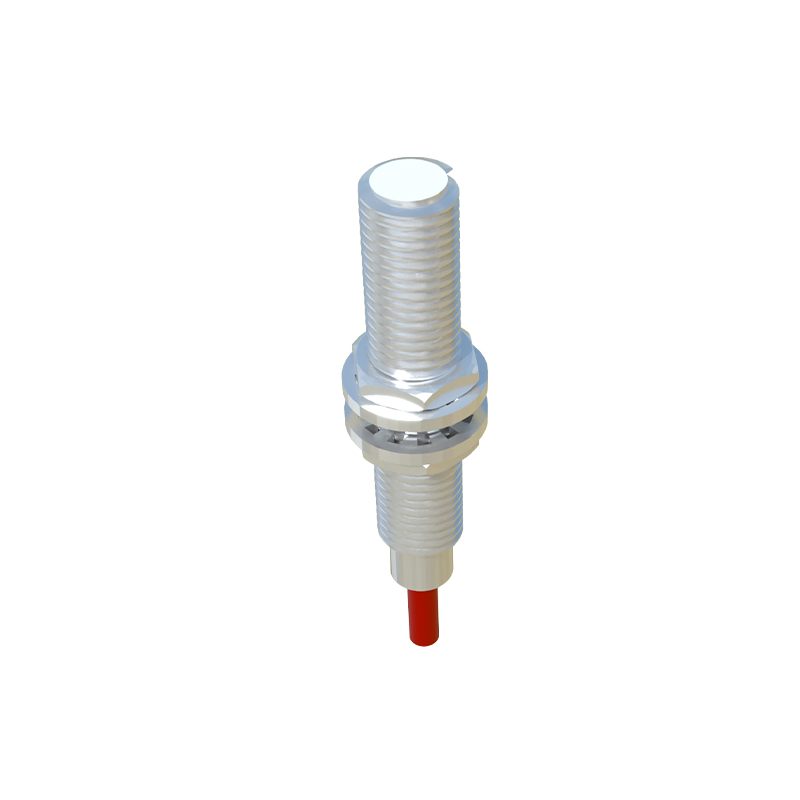
Several other brands command significant respect in niche or cost-competitive segments. Balluff, a German specialist, is highly regarded for its innovative RFID systems and robust inductive sensors, often used in automotive manufacturing. Turck excels in providing connectivity solutions and sensor technology that simplifies installation in demanding environments. IFM Electronic is praised for its reliable sensors with advanced diagnostic capabilities (like IO-Link), offering excellent value. Banner Engineering is a leader in photoelectric sensing, providing versatile, high-performance sensors with clear visual diagnostics for a wide array of applications.
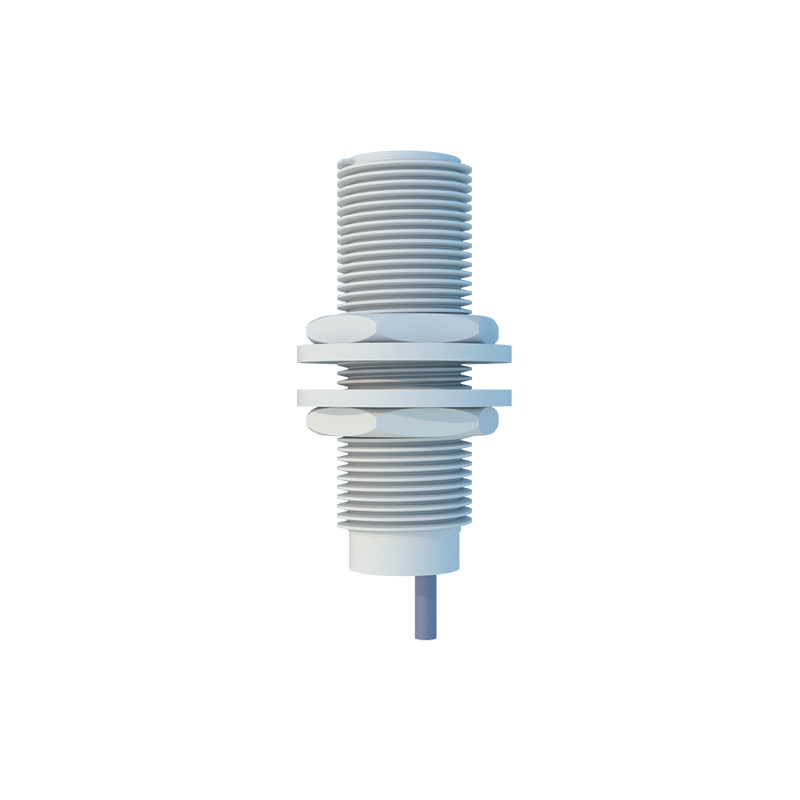
When selecting a proximity sensor brand, engineers and system integrators must consider several factors beyond the name. Application requirements—such as sensing distance, target material, required output, and environmental IP rating—are paramount. Electrical characteristics, housing material (e.g., stainless steel for washdown areas), and connectivity options (PNP/NPN, analog, IO-Link) are equally crucial. Finally, the availability of local technical support, documentation, and the ecosystem (compatibility with existing PLCs or networks) often dictates the final choice.
The future of proximity sensing is leaning towards greater intelligence and connectivity. Leading brands are increasingly incorporating IO-Link communication, which allows for parameter setting, condition monitoring, and process data exchange, forming a backbone for Industry 4.0. The integration of sensing data into plant-wide analytics platforms is becoming standard, enabling predictive maintenance and optimized operations.
In conclusion, there is no single "best" brand for all scenarios. Sick and Pepperl+Fuchs lead in harsh and hazardous duty. Omron and Keyence are top contenders for precision and variety in factory settings. Rockwell and Siemens are ideal for integrated automation architectures. Brands like Balluff, Turck, IFM, and Banner offer excellent specialized or value-oriented solutions. A thorough evaluation of technical specifications, total cost of ownership, and system integration needs will guide professionals to the optimal proximity sensor brand for their specific challenge, ensuring robust performance in an interconnected industrial world.