In industrial automation and process control, proximity sensors are indispensable components that detect the presence or absence of objects without physical contact. However, when operations extend into extreme cold environments—such as cold storage facilities, polar research stations, aerospace applications, or outdoor installations in frigid climates—standard sensors often fail. Low temperature proximity sensors are specifically engineered to overcome these challenges, ensuring reliable performance where conventional devices would falter.
The primary obstacle in cold environments is material brittleness. Standard sensor housings, typically made from plastics like ABS or polycarbonate, can become fragile and crack at temperatures below -20°C. Low temperature variants utilize specialized materials such as thermoplastic polyurethane (TPU), polyamide (PA), or stainless steel with cold-resistant seals. These materials maintain flexibility and structural integrity, preventing housing failure and seal leakage that could allow moisture ingress and ice formation.
Electronic components are equally vulnerable. Capacitors, oscillators, and integrated circuits experience altered performance as temperatures drop. For instance, electrolytic capacitors may freeze, losing capacitance, while crystal oscillators can drift in frequency. Engineers address this by selecting components rated for extended temperature ranges, often from -40°C to +85°C or beyond. Some designs incorporate heating elements or thermal insulation around critical circuits to maintain a stable internal temperature, though this adds complexity and power requirements.
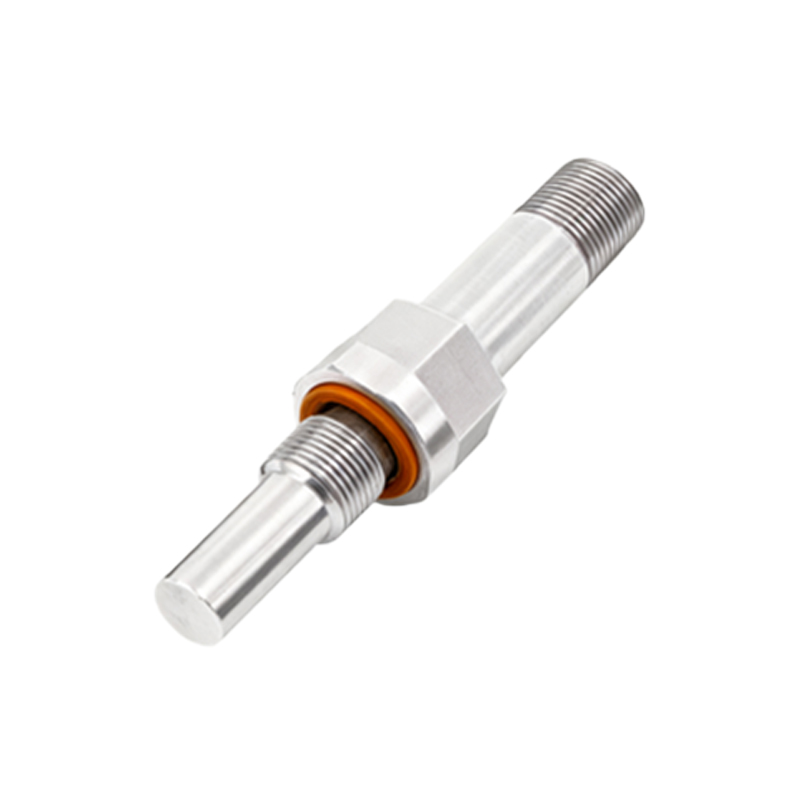
Sensing technology itself must adapt. Inductive proximity sensors, which detect metallic objects, rely on oscillating circuits. In cold conditions, coil resistance decreases, potentially increasing current draw and affecting oscillation stability. Temperature-compensated circuits are employed to maintain consistent sensing distances. Capacitive sensors, used for non-metallic materials, face challenges with dielectric changes in frozen targets or icy coatings; advanced models feature adjustable sensitivity to compensate. Ultrasonic sensors may suffer from slower sound propagation in cold, dense air, requiring recalibration of timing algorithms.
Power management is another critical aspect. Batteries, if used, experience reduced capacity and voltage drop in low temperatures. Lithium-based batteries perform better than alkaline in cold, but many systems opt for continuous power supply with surge protection. Connectors and cables also require attention—standard PVC insulation stiffens and cracks, so silicone or rubberized cables are preferred for flexibility and durability.
Installation and maintenance practices differ in cold settings. Sensors should be mounted to minimize exposure to direct wind chill and thermal cycling. Conformal coatings on circuit boards protect against condensation during temperature shifts. Regular calibration checks are advised, as extreme cold can gradually affect sensor drift. Many low temperature sensors include built-in diagnostics, such as LED indicators or output signals that alert to performance degradation.
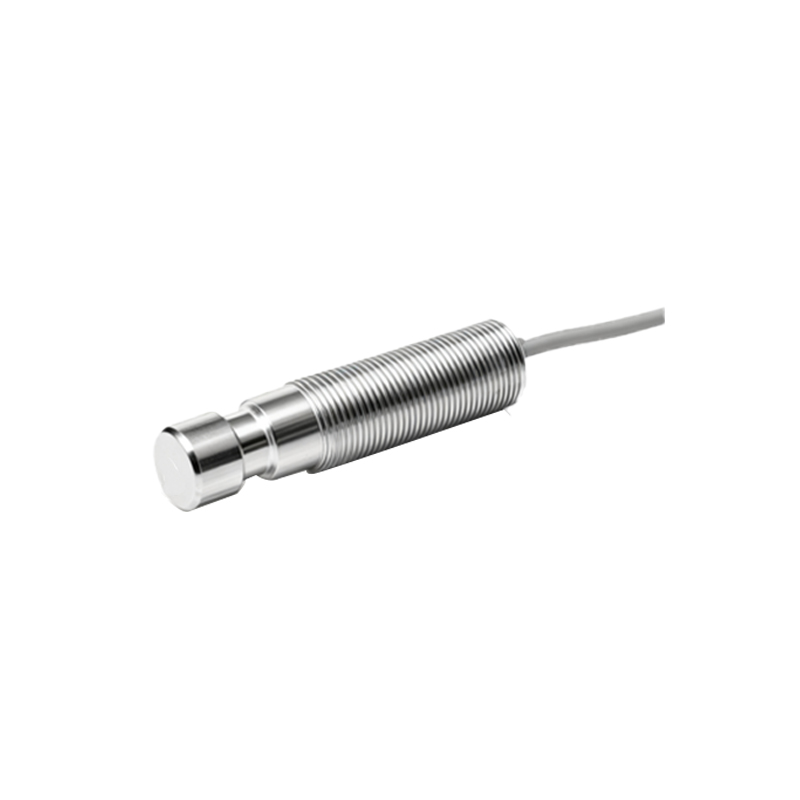
Applications are diverse. In food and pharmaceutical cold chains, these sensors monitor product movement on conveyor belts in freezing warehouses. In energy sectors, they detect ice formation on wind turbine blades or pipeline valves. Automotive testing uses them in climate chambers for vehicle development. Aerospace relies on them for landing gear and door position sensing in sub-zero conditions at high altitudes.
Future trends focus on enhancing robustness and intelligence. Developments in solid-state electronics reduce moving parts, lowering failure risks. Wireless low temperature sensors are emerging, eliminating cable issues. Integration with IoT platforms allows remote monitoring and predictive maintenance, alerting operators to sensor health before failures occur in critical cold environments.
In conclusion, low temperature proximity sensors represent a specialized fusion of material science, electronic engineering, and application expertise. They are not merely modified standard sensors but purpose-built solutions that ensure detection reliability, safety, and efficiency where cold is a constant adversary. As industries expand into colder frontiers, the innovation in these sensors will continue to evolve, driven by the uncompromising demands of extreme environments.