In the rapidly evolving landscape of industrial automation, miniature proximity sensors have become indispensable components, enabling precise detection and control in confined spaces. The establishment of a national standard for these devices is crucial to ensure interoperability, safety, and performance consistency across various sectors. This article delves into the key aspects of the national standard for miniature proximity sensors, highlighting its significance and practical implications for engineers and manufacturers.
The national standard for miniature proximity sensors typically encompasses specifications related to electrical characteristics, environmental durability, and mechanical dimensions. For instance, it defines parameters such as operating voltage ranges, output types (e.g., NPN or PNP configurations), and sensing distances. These standards are designed to harmonize with international norms, such as those set by the International Electrotechnical Commission (IEC), to facilitate global trade and compatibility. By adhering to these guidelines, manufacturers can produce sensors that meet rigorous testing criteria, including resistance to shock, vibration, and temperature extremes, which are common in harsh industrial environments.
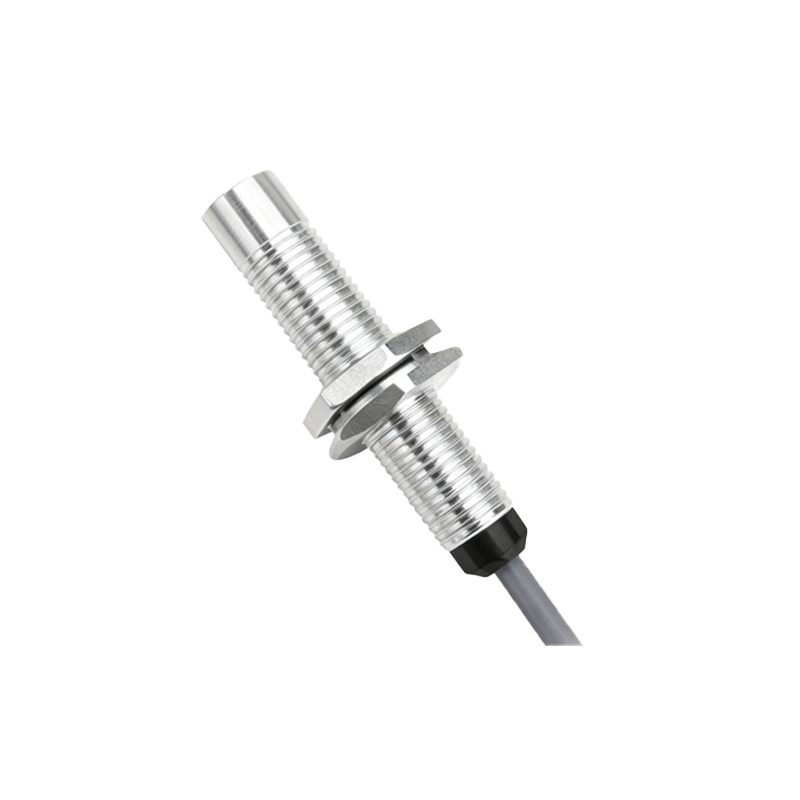
One of the core elements of the standard is the classification based on sensing principles, such as inductive, capacitive, or magnetic proximity sensors. Each type has distinct applications—inductive sensors are ideal for detecting metallic objects, while capacitive sensors can handle non-metallic materials. The standard outlines performance metrics like repeatability, response time, and hysteresis, ensuring that sensors deliver reliable operation under varying conditions. For engineers, this means easier selection and integration into complex systems, reducing downtime and maintenance costs.
Moreover, the standard addresses safety requirements, particularly in industries like automotive, packaging, and robotics, where sensor failure could lead to hazardous situations. It includes provisions for electromagnetic compatibility (EMC) to prevent interference with other electronic devices, as well as insulation and protection ratings (e.g., IP67 for dust and water resistance). Compliance with these aspects not only enhances operational reliability but also aligns with regulatory frameworks, minimizing legal risks for businesses.

In practice, implementing the national standard involves rigorous certification processes, where sensors undergo testing by accredited laboratories. This ensures that products on the market are trustworthy and perform as advertised. For end-users, such as factory operators, this translates to improved system efficiency and reduced error rates. As technology advances, the standard is periodically reviewed to incorporate innovations like smart sensors with IoT capabilities, reflecting the dynamic nature of the industry.
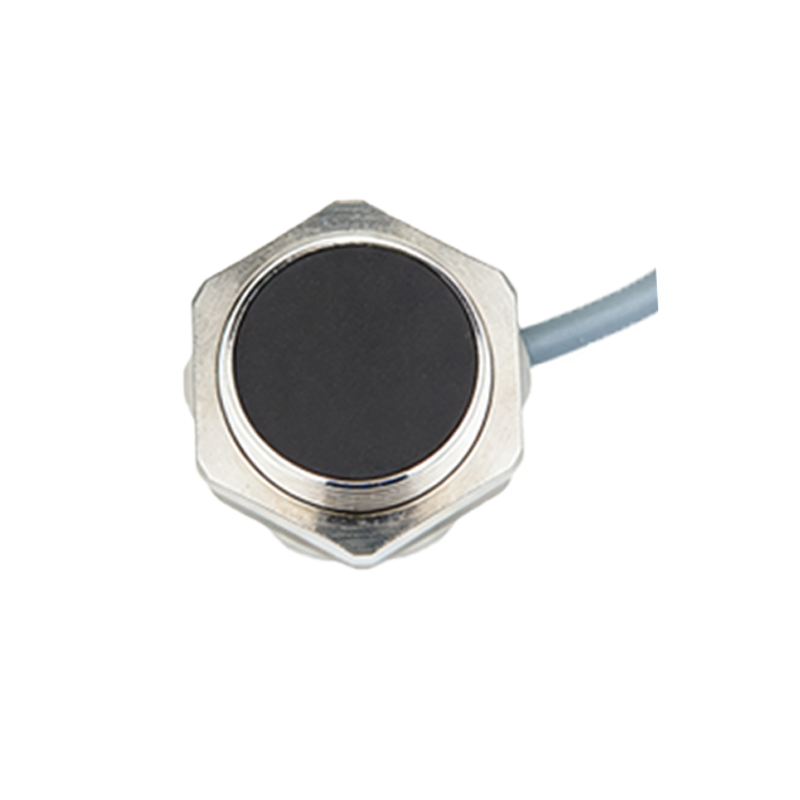
Overall, the national standard for miniature proximity sensors serves as a foundational framework that drives quality and innovation. By fostering uniformity and trust, it supports the growth of automation and smart manufacturing, empowering professionals to design more robust and efficient solutions. Engineers are encouraged to stay updated with revisions to leverage the latest advancements and maintain competitive edge in their projects.