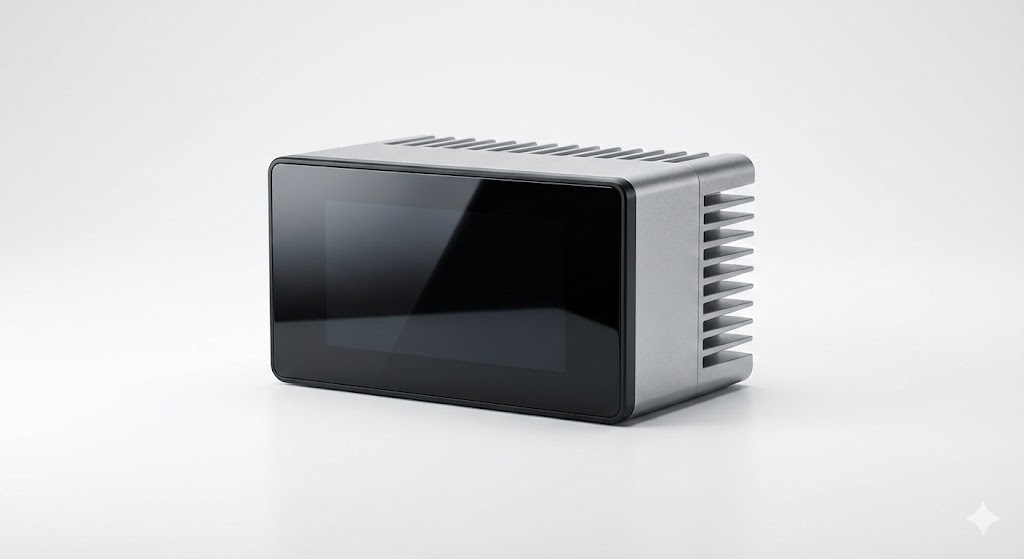
Laser displacement sensors have become indispensable tools in modern industrial automation and quality control. These devices utilize laser triangulation or time-of-flight principles to measure distances with exceptional accuracy, often achieving micron-level precision. The core technology involves emitting a focused laser beam onto a target surface, then analyzing the reflected light using a position-sensitive detector or CMOS/CCD array. As industries demand higher precision and faster measurement cycles, laser displacement sensors offer non-contact solutions that eliminate mechanical wear and minimize measurement errors caused by physical contact.
In manufacturing environments, these sensors perform critical tasks such as thickness measurement of rolled metals, vibration analysis in rotating machinery, and dimensional inspection of automotive components. The automotive industry particularly relies on laser displacement sensors for gap and flush measurements between body panels, ensuring aesthetic consistency and aerodynamic efficiency. Unlike traditional contact probes, laser sensors can measure delicate or moving surfaces without affecting the material properties or interrupting production flow.
Recent advancements include blue laser models that provide superior performance on organic materials and transparent surfaces, which historically challenged conventional red laser sensors. Additionally, CMOS-based sensors now offer sampling rates exceeding 50 kHz, enabling real-time monitoring of high-speed production lines. Integration with industrial networks like EtherCAT and PROFINET allows seamless data incorporation into PLC systems for automated decision-making.
Environmental factors such as ambient light, surface reflectivity, and temperature fluctuations can impact measurement accuracy. Modern sensors incorporate adaptive algorithms and temperature compensation circuits to maintain stability. For highly reflective surfaces, manufacturers often employ polarization filters or diffuse reflection models to reduce measurement noise. Regular calibration using certified reference standards remains essential for maintaining traceability to international measurement standards.
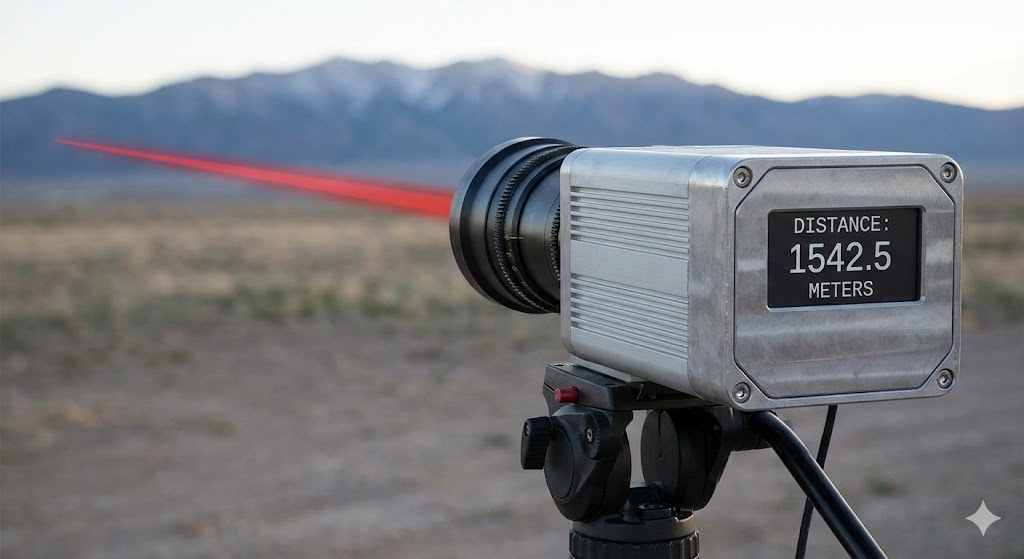
The future development trajectory points toward miniaturization and enhanced multifunctionality. Emerging sensors now combine displacement measurement with surface defect detection using spectral analysis of reflected laser patterns. As Industry 4.0 initiatives advance, laser displacement sensors will increasingly incorporate IIoT capabilities, enabling predictive maintenance through continuous performance monitoring and cloud-based analytics. These innovations will further solidify their role as fundamental components in smart manufacturing ecosystems.
When selecting a laser displacement sensor, engineers must consider key parameters including measurement range, spot size, linearity error, and environmental resistance ratings. Applications involving high-temperature targets may require specialized models with protective air purge fittings or integrated cooling systems. The total cost of ownership should account not only for initial purchase but also calibration intervals and compatibility with existing automation infrastructure.

Ultimately, the precision and versatility of laser displacement sensors make them vital for quality assurance across aerospace, electronics, and precision engineering sectors. Their ability to provide reliable, repeatable measurements under challenging industrial conditions continues to drive technological evolution in metrology and process control. As sensor fusion technologies advance, integration with 3D vision systems and robotic guidance will unlock new possibilities for autonomous inspection and adaptive manufacturing.