In the rapidly evolving landscape of electrical engineering and automation, proximity and light sensors have emerged as critical components, fundamentally influencing system performance, energy efficiency, and user interaction. These sensors, often integrated into a wide array of devices and industrial setups, operate by detecting the presence or absence of objects within a specific range or by measuring ambient light levels. Their impact extends far beyond simple detection, shaping the functionality and intelligence of modern electrical systems.
One of the primary areas where proximity and light sensors exert significant influence is in energy conservation. In lighting systems, for instance, ambient light sensors enable automatic adjustment of artificial lighting based on natural light availability. This not only reduces unnecessary power consumption but also enhances comfort by maintaining optimal illumination levels. Proximity sensors contribute by deactivating systems or placing them in low-power modes when no user is detected nearby, a common feature in smart offices, retail spaces, and residential buildings. This dynamic control, driven by real-time sensor data, directly translates to lower operational costs and a reduced carbon footprint, aligning with global sustainability goals.
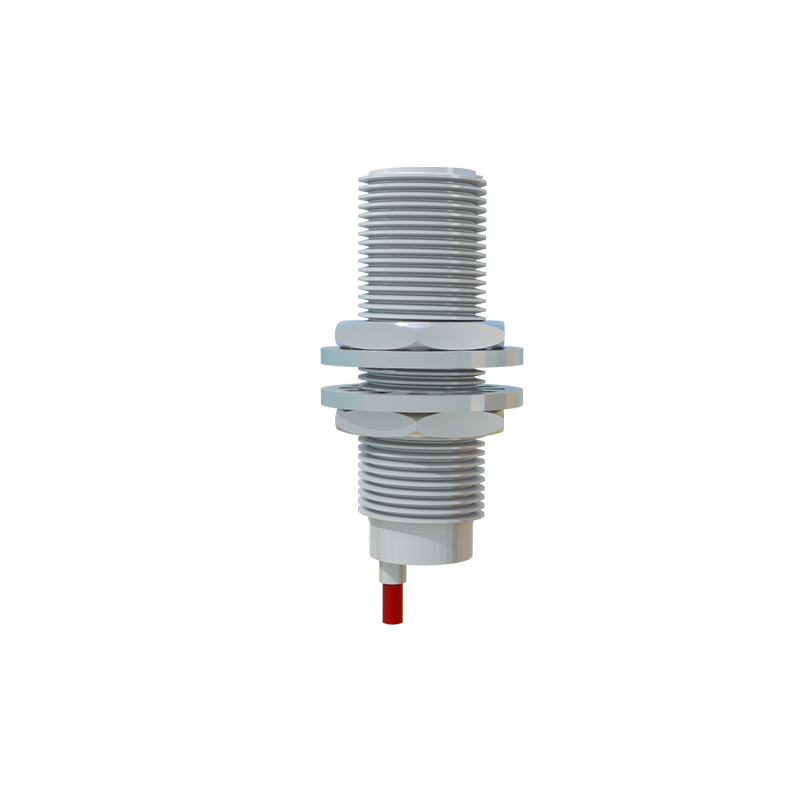
Furthermore, these sensors are pivotal in enhancing safety and operational reliability. In industrial automation, proximity sensors are employed to monitor machinery, detect object positioning on conveyor belts, and prevent collisions in automated guided vehicles (AGVs). By providing precise, non-contact detection of metallic or non-metallic objects, they minimize the risk of equipment damage and workplace accidents. Light sensors, particularly in outdoor or hazardous environments, can trigger safety lighting or alarms when visibility drops, ensuring continuous safe operation. The integration of these sensors with control systems allows for predictive maintenance, where anomalies in sensor readings can signal potential failures before they occur, thereby minimizing downtime.
User experience and interface design have also been revolutionized by these technologies. In consumer electronics, such as smartphones and tablets, proximity sensors detect when a device is held close to the ear during a call, automatically turning off the display to prevent accidental touches and save battery. Light sensors adjust screen brightness according to environmental conditions, improving readability while conserving energy. This seamless interaction, often unnoticed by end-users, relies on the precise and rapid response of these sensors, making devices more intuitive and efficient.

The impact extends into the realm of smart infrastructure and the Internet of Things (IoT). Proximity and light sensors serve as essential data sources for smart cities, enabling adaptive street lighting that brightens only when pedestrians or vehicles are detected, thus optimizing energy use. In automotive applications, they contribute to advanced driver-assistance systems (ADAS), where proximity sensors aid in parking assistance and collision avoidance, while light sensors automate headlight control. The data harvested from these sensors, when processed through algorithms and connected networks, facilitates intelligent decision-making, paving the way for fully autonomous systems.

However, the deployment of these sensors is not without challenges. Engineers must consider factors such as sensor accuracy, response time, environmental interference (e.g., from other light sources or reflective surfaces), and long-term durability. Selecting the appropriate sensor type—whether inductive, capacitive, photoelectric for proximity, or photodiodes, phototransistors for light sensing—is crucial based on the application's specific requirements. Calibration and integration with microcontrollers or programmable logic controllers (PLCs) also demand meticulous attention to ensure reliable performance.
In conclusion, proximity and light sensors are indispensable in shaping the efficiency, safety, and intelligence of contemporary electrical systems. Their ability to provide real-time environmental feedback enables smarter energy management, enhanced safety protocols, and improved user interfaces across diverse sectors. As technology advances, with trends toward miniaturization and increased connectivity, these sensors will continue to drive innovation, making systems more responsive and sustainable. For electrical engineers, mastering their application and integration is key to developing next-generation solutions that meet the demands of an increasingly automated world.