Proximity sensors are critical components in modern industrial automation, designed to detect the presence or absence of an object without physical contact. These devices operate based on various physical principles, primarily electromagnetic fields, capacitance, or light, enabling reliable and non-invasive detection in diverse applications. Unlike mechanical limit switches, proximity sensors offer extended durability, high-speed response, and minimal maintenance, making them indispensable in manufacturing, robotics, automotive assembly, and material handling systems.
The fundamental working principle of a proximity sensor involves generating a field or beam and monitoring changes caused by a target object. Inductive proximity sensors, for instance, generate an electromagnetic field using a coil and oscillator. When a metallic object enters this field, eddy currents are induced, altering the oscillation amplitude and triggering a detection signal. These sensors are ideal for detecting ferrous and non-ferrous metals, with sensing ranges typically up to 60 mm. Capacitive proximity sensors, on the other hand, detect both metallic and non-metallic materials—such as plastics, liquids, or wood—by measuring changes in capacitance between the sensor and the target. They are commonly used in level detection, packaging, and presence sensing for non-conductive objects.
Photoelectric proximity sensors utilize light beams, often infrared or laser, to detect objects. They consist of an emitter and a receiver; when an object interrupts or reflects the light beam, the receiver detects the change, signaling the presence of the object. These sensors are suitable for long-range detection (up to several meters) and can handle various surface types, including transparent or reflective materials. Ultrasonic proximity sensors employ sound waves, measuring the time delay of reflected waves to determine distance, making them effective in harsh environments where dust, moisture, or temperature variations might affect other sensor types.
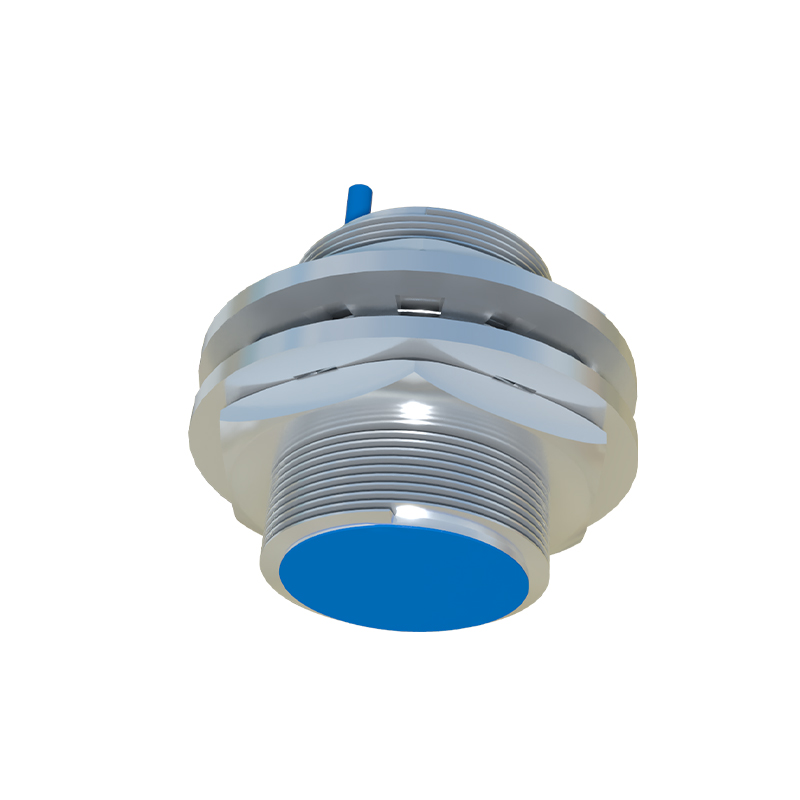
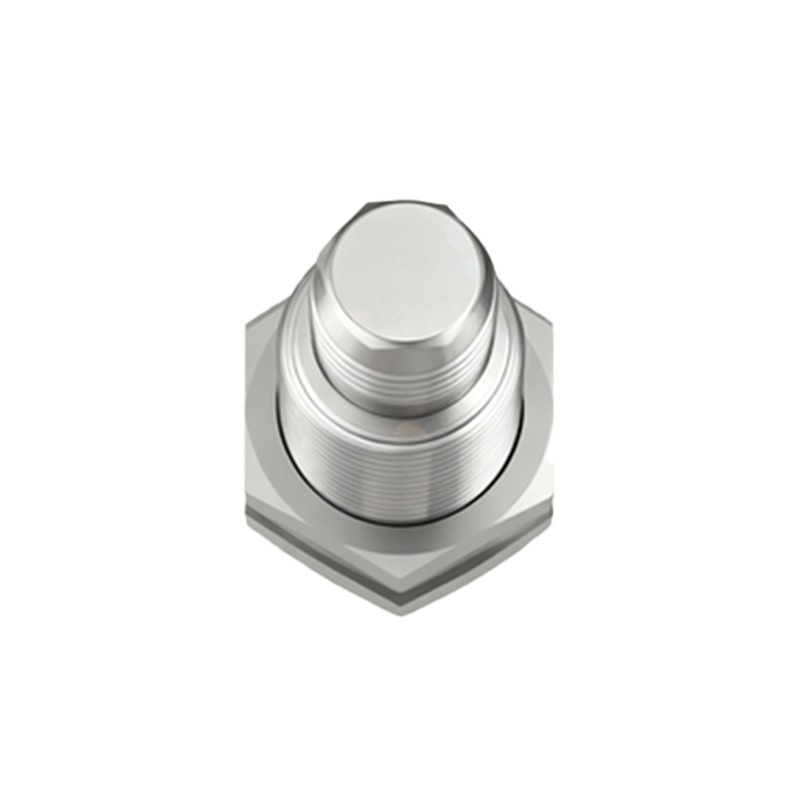
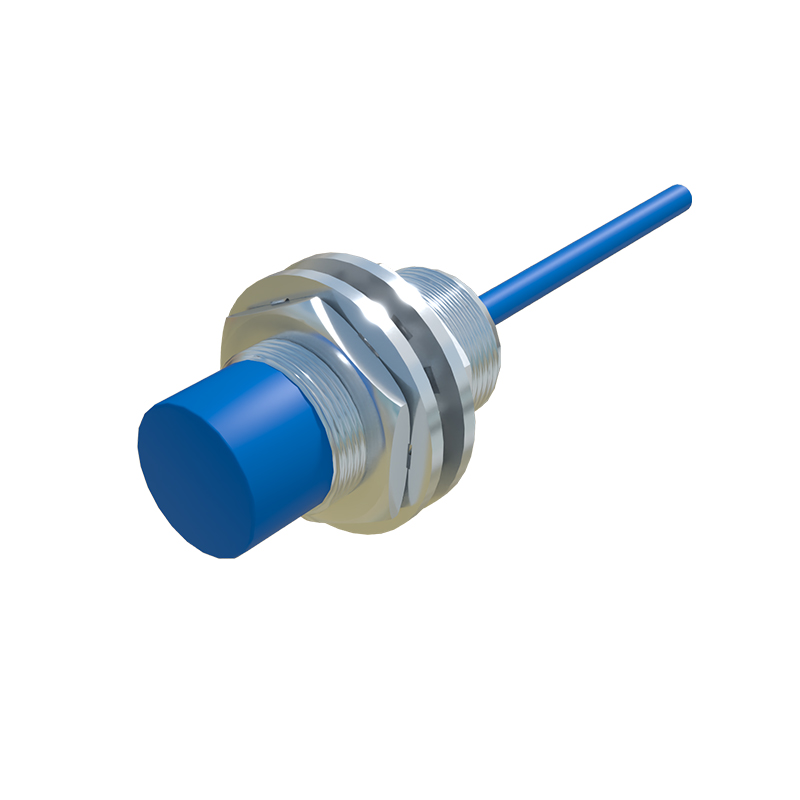
Key advantages of proximity sensors include their non-contact operation, which eliminates wear and tear, and their ability to function in challenging conditions like high temperatures, corrosive atmospheres, or dirty environments. They are available in diverse form factors, including cylindrical, rectangular, or ring-shaped designs, with output options such as digital (PNP/NPN) or analog signals for integration with PLCs (Programmable Logic Controllers) and control systems. Selection criteria for proximity sensors involve considering factors like sensing distance, target material, environmental resilience, and electrical requirements.
In industrial settings, proximity sensors enhance efficiency by enabling precise positioning, object counting, speed monitoring, and safety interlocks. For example, in conveyor systems, they detect items for sorting or packaging, while in robotic arms, they ensure accurate movement and collision avoidance. Regular calibration and maintenance, though minimal, are essential to sustain optimal performance, including checking alignment, cleaning sensing surfaces, and verifying output signals.
As Industry 4.0 advances, proximity sensors are evolving with smart features like IO-Link communication, which facilitates real-time data exchange, diagnostics, and parameter adjustments. This connectivity supports predictive maintenance and integration with IoT (Internet of Things) platforms, driving smarter automation solutions. Future trends may include miniaturization, enhanced sensitivity for diverse materials, and improved energy efficiency. Understanding the definition and operational nuances of proximity sensors is crucial for engineers and technicians to leverage their full potential in automating processes, reducing downtime, and boosting productivity across industries.