In the realm of industrial automation, large size proximity sensors play a pivotal role in ensuring robust and reliable detection capabilities for heavy-duty machinery and expansive operational environments. These sensors are engineered to detect the presence or absence of objects without physical contact, leveraging electromagnetic fields, infrared light, or ultrasonic waves. Their large form factor is specifically designed to withstand harsh conditions, including extreme temperatures, high vibration, and exposure to dust or moisture, making them indispensable in sectors such as manufacturing, material handling, and automotive assembly.
When selecting a large size proximity sensor, several key factors must be considered to optimize performance and longevity. First, the sensing range is critical; larger sensors typically offer extended detection distances, which is essential for monitoring bulky items or wide conveyor belts. For instance, inductive proximity sensors with ranges up to 150 mm are ideal for metal detection in high-speed production lines, while capacitive variants can handle non-metallic materials like wood or plastic. Second, environmental durability is paramount. Look for sensors with high IP (Ingress Protection) ratings, such as IP67 or IP69K, which ensure resistance to water and particulate ingress. Additionally, models with robust housing materials like stainless steel or nickel-plated brass provide enhanced corrosion resistance in aggressive industrial settings.
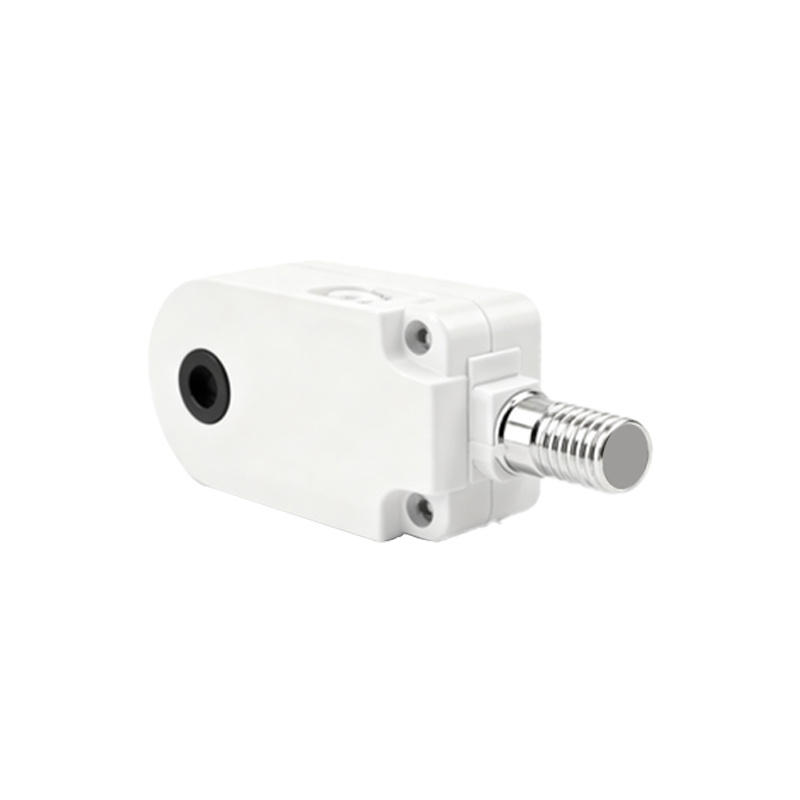
Among the top recommendations in the market, the Siemens 3RG series stands out for its versatility and reliability. These inductive proximity sensors feature a compact yet durable design with sensing distances up to 100 mm, suitable for applications in metal processing and packaging industries. They offer advanced diagnostics and easy integration with PLC systems, reducing downtime and maintenance costs. Another excellent choice is the Omron E2E-X series, known for its high-precision detection and noise immunity. With a range of up to 120 mm, these sensors excel in automotive manufacturing, where accurate positioning of large components is crucial. Their built-in surge protection and temperature tolerance from -25°C to 70°C ensure consistent operation in fluctuating conditions.
For applications requiring detection of non-metallic objects, the Pepperl+Fuchs UC series capacitive proximity sensors are highly recommended. These large size sensors can detect materials like liquids or granulates through container walls, with ranges extending to 80 mm. They are particularly useful in food processing or chemical plants, where hygiene and safety are priorities. The UC series also features adjustable sensitivity and LED status indicators, simplifying setup and troubleshooting. In environments with high electromagnetic interference, the Balluff BES series inductive sensors offer superior performance. With a rugged metal housing and sensing distances up to 140 mm, they are ideal for heavy machinery in mining or construction sectors. Their short-circuit and overload protection enhance system reliability, minimizing unexpected failures.
Installation and maintenance best practices are essential to maximize the benefits of large size proximity sensors. Ensure proper alignment and mounting to avoid false triggers; using brackets or adjustable holders can aid in precise positioning. Regular calibration checks are advised, especially in dynamic settings where sensor drift may occur over time. Additionally, integrating these sensors with IoT-enabled monitoring systems can provide real-time data on performance metrics, enabling predictive maintenance and reducing operational disruptions. By choosing the right sensor based on application needs—whether for detecting large metal parts on an assembly line or monitoring fluid levels in tanks—industries can achieve higher efficiency, safety, and cost savings.
In conclusion, large size proximity sensors are vital components in modern industrial automation, offering enhanced detection capabilities for challenging environments. By prioritizing factors like sensing range, durability, and compatibility, engineers can select optimal models from leading brands like Siemens, Omron, Pepperl+Fuchs, and Balluff. Investing in high-quality sensors not only improves process accuracy but also contributes to long-term operational resilience, driving innovation and productivity across diverse sectors.