In modern industrial automation and manufacturing processes, the accurate detection and measurement of plastic materials is a critical task. Proximity sensors, known for their non-contact operation, reliability, and versatility, have become indispensable tools for this purpose. Unlike mechanical switches, these sensors detect the presence or absence of a target without physical contact, making them ideal for applications involving delicate plastic components, high-speed production lines, or harsh environments where contamination is a concern.
The fundamental principle behind a proximity sensor's ability to detect plastic lies in its type. While inductive proximity sensors are the workhorses for metal detection, they are generally ineffective for standard, non-metallic plastics because they rely on generating an electromagnetic field that is disturbed by conductive materials. For plastic detection, the primary technologies employed are capacitive and ultrasonic proximity sensors.
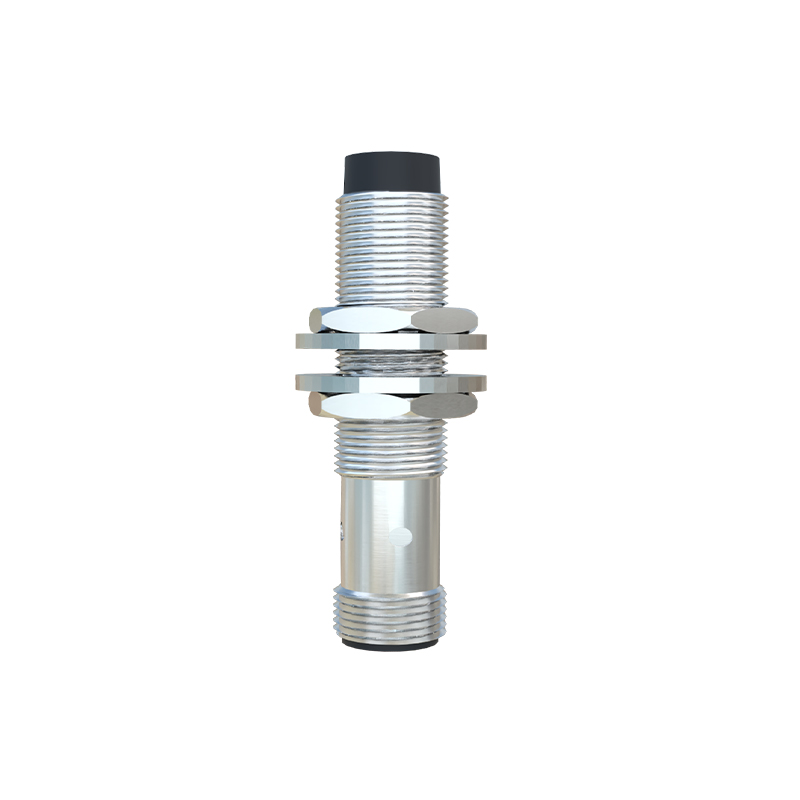
Capacitive proximity sensors operate by generating an electrostatic field. They can detect both conductive and non-conductive materials, including all types of plastics, glass, wood, and liquids. The sensor's active face and the target act as two plates of a capacitor. When a plastic object enters the electrostatic field, it changes the dielectric constant, leading to a detectable change in capacitance that triggers the sensor's output switch. This makes capacitive sensors excellent for tasks such as detecting plastic bottles on a conveyor, monitoring plastic film levels, or verifying the presence of a plastic cap. They can even sense materials through certain non-metallic containers, adding to their flexibility. However, their sensitivity can be influenced by environmental factors like humidity or dust, and they may require careful tuning to ignore background objects.
Ultrasonic proximity sensors, on the other hand, use sound waves. They emit high-frequency ultrasonic pulses and measure the time it takes for the echo to return from a target object. Since plastic reflects sound waves effectively, these sensors are highly reliable for detecting plastic parts, measuring the distance to a plastic roll, or controlling the fill level in a plastic bin. They are largely unaffected by the color, transparency, or surface finish of the plastic, making them suitable for clear PET bottles or black ABS components alike. Their key advantage is the ability to provide precise distance measurement, not just presence detection. The main considerations are that they can be influenced by temperature variations (which affect sound speed) and may have a slower response time compared to capacitive sensors.
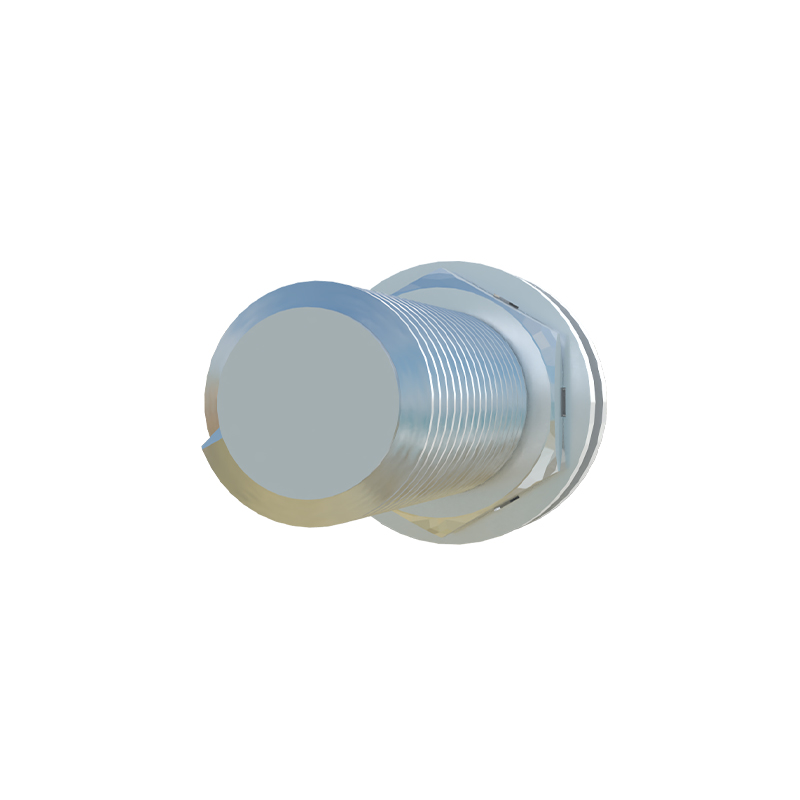
Selecting the right sensor for a plastic application requires careful analysis. Key factors include the type of plastic (its dielectric constant for capacitive sensors), the required sensing distance, the operating environment (temperature, presence of dust or moisture), the required response speed, and the physical size of the sensor. For instance, detecting a thin plastic washer requires a sensor with high sensitivity and a small sensing face, while monitoring a large pallet of plastic pellets might call for a longer-range ultrasonic sensor.
Installation and calibration are crucial for optimal performance. For capacitive sensors, the sensitivity adjustment potentiometer allows engineers to set the detection threshold so the sensor triggers for the specific plastic target while ignoring the background conveyor or container—a process known as "teaching" the sensor. Proper mounting is essential to avoid false triggers from surrounding metal or from the material buildup on the sensor face. Ultrasonic sensors often require programming of the sensing window or blanking distance to ignore irrelevant echoes from mounting hardware.
In practice, these sensors drive efficiency across countless industries. In packaging, they ensure plastic trays are correctly positioned for filling. In automotive assembly, they verify the placement of plastic interior components. In recycling facilities, they sort different material types on fast-moving belts. Their non-contact nature eliminates wear and tear, ensuring long service life and minimal maintenance, which translates to reduced downtime and lower operational costs.
As plastics continue to evolve with new composites and additives, sensor technology adapts in tandem. Modern smart sensors with IO-Link communication provide detailed diagnostic data, enabling predictive maintenance and seamless integration into Industry 4.0 networks. By understanding the strengths of capacitive and ultrasonic proximity sensing technologies, engineers can design robust, accurate, and cost-effective systems for handling the ubiquitous and vital material that is plastic.