As the industrial landscape accelerates toward full automation, proximity sensors stand at a critical juncture. These devices, designed to detect the presence or absence of objects without physical contact, have long been the unsung heroes of manufacturing, robotics, and smart systems. However, a final battle is now approaching—one that will determine which technologies dominate the next decade and which fade into obsolescence.
The core of this confrontation lies in the evolution of sensing principles. Traditional inductive and capacitive sensors, prized for their robustness in harsh environments, now face fierce competition from emerging technologies. Ultrasonic sensors, for instance, offer superior range and material independence, while photoelectric sensors provide exceptional precision for clear object detection. The latest contender, Time-of-Flight (ToF) sensors, leverages infrared light to create detailed 3D proximity mapping, enabling complex applications in autonomous vehicles and advanced robotics. Each technology brings distinct advantages, but also inherent limitations in cost, energy consumption, and environmental adaptability.
Market demands are pushing the boundaries further. Industries now require sensors that are not only accurate and reliable but also intelligent and interconnected. The integration of Industrial Internet of Things (IIoT) capabilities is no longer a luxury but a necessity. Modern proximity sensors must communicate seamlessly with control systems, provide real-time diagnostics, and even predict maintenance needs. This shift places immense pressure on manufacturers to embed microprocessors and wireless connectivity into increasingly compact form factors, all while maintaining or reducing unit costs.
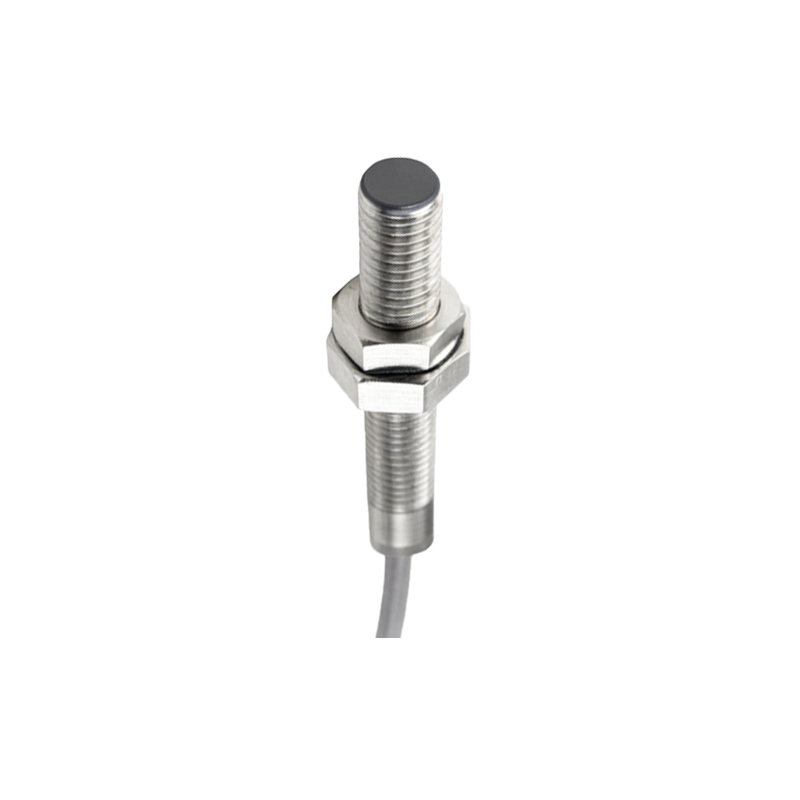
Another decisive front in this battle is environmental resilience. Factories are becoming more dynamic, with sensors exposed to extreme temperatures, corrosive chemicals, high-pressure washdowns, and electromagnetic interference. The traditional metallic housings of inductive sensors are being reevaluated against polymer-based designs that resist corrosion. Similarly, sealing technologies have advanced to meet IP69K standards, ensuring sensors survive in settings from food processing plants to outdoor agricultural machinery. The winning solutions will be those that marry durability with high performance, without compromising on sensitivity or response time.
Cost and scalability remain perennial challenges. As global supply chains seek efficiency, the price per sensor continues to be a critical factor, especially for high-volume applications like consumer electronics and automotive assembly. However, the rise of custom Application-Specific Integrated Circuits (ASICs) and innovative manufacturing techniques like additive printing are altering the economics. These advances allow for specialized sensor variants tailored to unique applications, potentially reducing waste and improving system integration.
Looking ahead, the convergence of sensing with artificial intelligence may redefine the very purpose of proximity detection. Smart sensors capable of edge processing can now distinguish between object types, track movement patterns, and even initiate adaptive responses without central controller intervention. This autonomy is particularly valuable in collaborative robotics, where safe human-machine interaction depends on millisecond-level decisions. The final battle, therefore, is not merely about detection range or durability—it is about which sensors can evolve into intelligent nodes within a broader ecosystem.
In conclusion, the proximity sensor industry is undergoing a transformative clash of technologies, driven by smarter, tougher, and more connected industrial requirements. The outcome will shape automation efficiency, safety protocols, and innovation trajectories for years to come. As this final battle approaches, only the most adaptable, precise, and economically viable solutions will secure their place on the factory floors and smart devices of the future.