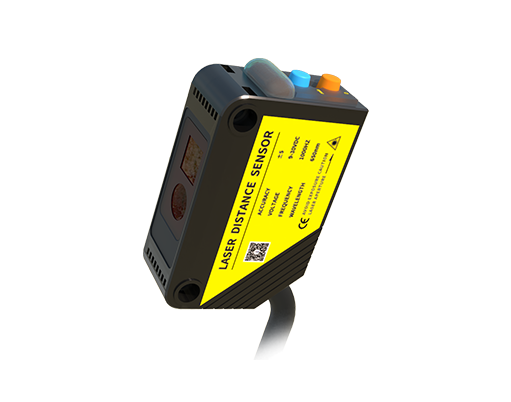
In the rapidly evolving landscape of electrical engineering, precision and reliability are paramount. FV Lasersensors have emerged as a critical technology, offering unparalleled accuracy in measurement and detection tasks across various industrial applications. These sensors utilize laser-based principles to deliver non-contact, high-speed data acquisition, making them indispensable in environments where traditional sensors fall short.
One of the key advantages of FV Lasersensors is their ability to operate in harsh conditions. Unlike mechanical sensors that may degrade due to physical contact or environmental factors, laser sensors maintain performance in extreme temperatures, dusty atmospheres, and high-vibration settings. This durability translates to reduced maintenance costs and enhanced system uptime, which are crucial for industries such as manufacturing, automotive, and energy production. For instance, in automated assembly lines, FV Lasersensors enable real-time monitoring of component dimensions and alignments, ensuring quality control without interrupting production flow.
Moreover, the precision of FV Lasersensors supports advancements in smart grid technology and renewable energy systems. In electrical substations, these sensors facilitate accurate distance and displacement measurements, aiding in the stabilization of power distribution networks. They are also instrumental in solar panel installations, where they help optimize alignment for maximum energy capture. By providing micron-level accuracy, FV Lasersensors contribute to efficiency improvements and safety enhancements, minimizing human error and operational risks.

The integration of FV Lasersensors with IoT and AI-driven platforms further expands their utility. Data collected from these sensors can be analyzed to predict equipment failures, schedule preventive maintenance, and optimize energy consumption. This predictive capability is revolutionizing asset management in electrical engineering, leading to smarter, more resilient infrastructures. As industries continue to embrace automation and digital transformation, the role of FV Lasersensors is set to grow, driving innovation in areas like robotics, smart cities, and advanced manufacturing.
In summary, FV Lasersensors represent a fusion of cutting-edge laser technology and practical engineering needs. Their non-contact nature, combined with high precision and adaptability, makes them a cornerstone of modern electrical systems. Engineers and technicians are encouraged to explore these sensors for applications ranging from routine inspections to complex automated processes, leveraging their benefits to achieve higher standards of performance and sustainability.