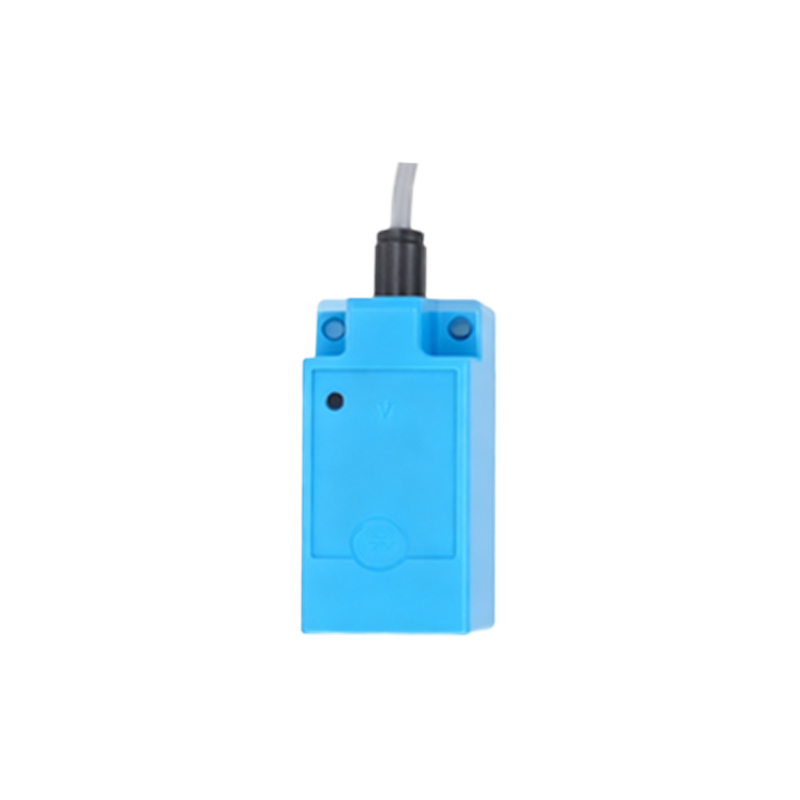
Proximity sensors are essential components in modern industrial automation, providing non-contact detection of objects within a specific range. These devices are widely used across various sectors, including manufacturing, automotive, and packaging, due to their reliability, durability, and precision. Understanding how to effectively use proximity sensors involves selecting the right type, proper installation, calibration, and integration into control systems.
There are several types of proximity sensors, each suited for different applications. Inductive proximity sensors detect metallic objects without physical contact, making them ideal for metal detection in machinery. Capacitive proximity sensors can detect both metallic and non-metallic materials, such as plastics or liquids, by measuring changes in capacitance. Ultrasonic proximity sensors use sound waves to detect objects, offering longer ranges and the ability to sense transparent or irregularly shaped items. Photoelectric sensors, another common type, utilize light beams to detect presence or absence, often used in clean environments or for color differentiation.
To use a proximity sensor effectively, start by selecting the appropriate sensor based on the target material, sensing distance, environmental conditions, and required output. For instance, in a high-temperature environment, choose a sensor with a suitable temperature rating to ensure longevity. Next, install the sensor correctly by mounting it securely and aligning it with the target object. Ensure there is no interference from other metal objects or electrical noise, which can affect performance. Adjust the sensing distance as needed, following the manufacturer's specifications to avoid false triggers.
Calibration is crucial for optimal performance. Most proximity sensors come with adjustable settings for sensitivity or response time. Use these to fine-tune the sensor for specific applications, such as detecting small objects or operating in dusty conditions. Regularly test the sensor with the target object to verify consistent detection. Integration into a control system, such as a PLC (Programmable Logic Controller), involves connecting the sensor's output wires to the input module. Ensure proper wiring according to the sensor's specifications (e.g., NPN or PNP output) and program the control system to respond to sensor signals, triggering actions like stopping a conveyor belt or activating a robotic arm.
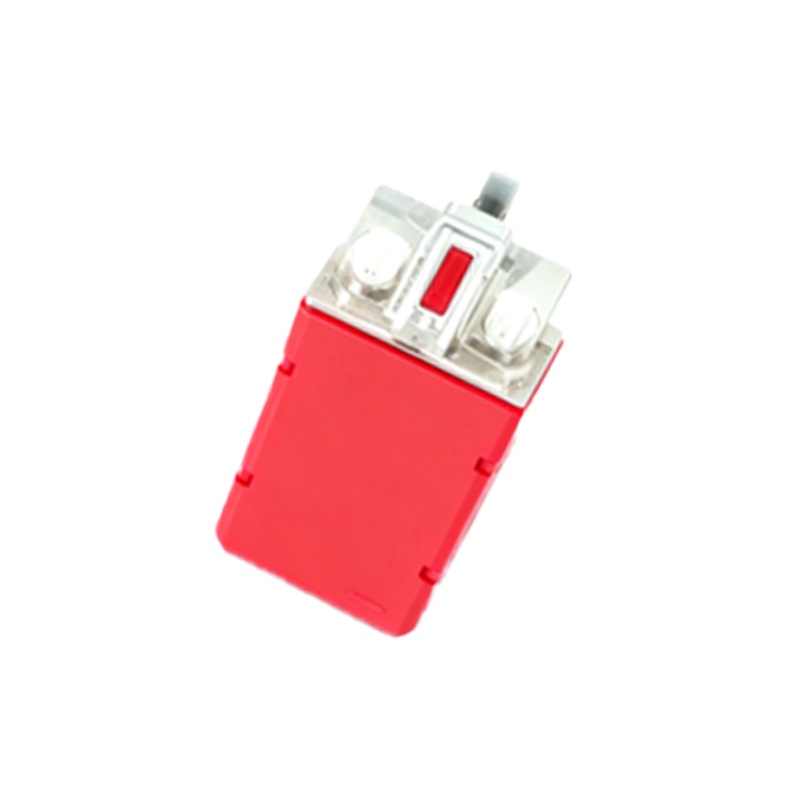
Maintenance and troubleshooting are key to long-term use. Keep sensors clean from debris, oil, or dust that could impair function. Monitor for wear or damage, especially in harsh industrial settings. Common issues include reduced sensing range or erratic signals, often due to environmental factors or electrical interference. Refer to the sensor's manual for troubleshooting steps, such as checking power supply or recalibrating. By following these practices, proximity sensors can enhance efficiency, safety, and automation in industrial processes, reducing downtime and improving productivity.
In summary, using proximity sensors requires careful selection, installation, calibration, and integration. Their versatility and non-contact nature make them invaluable tools in automation, contributing to smarter and more responsive industrial systems. As technology advances, proximity sensors continue to evolve, offering enhanced features like IoT connectivity for real-time monitoring and predictive maintenance.