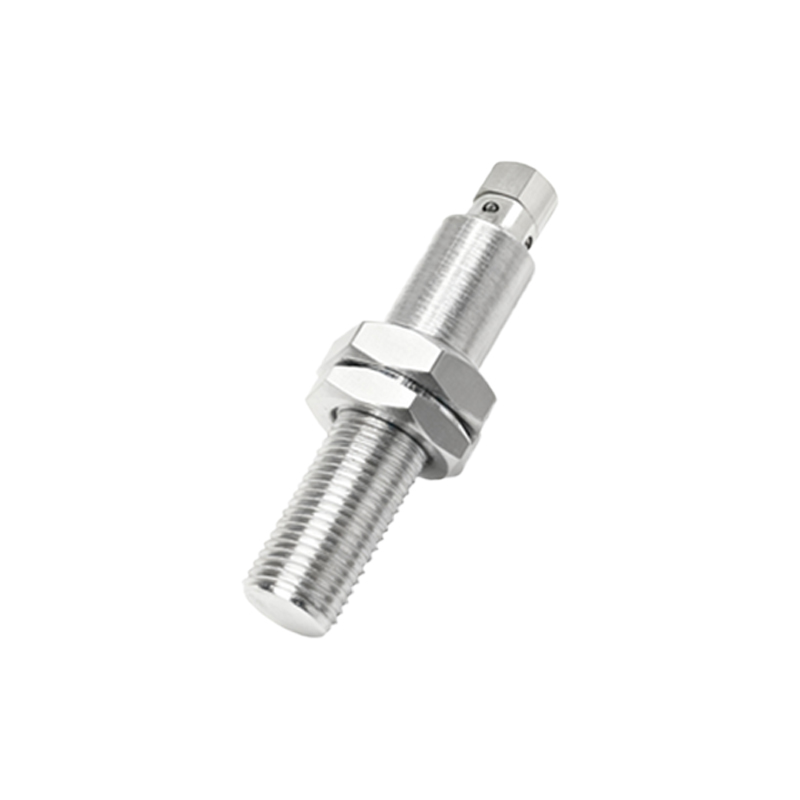
In the world of industrial automation and control systems, proximity sensors are indispensable components. They detect the presence or absence of an object without physical contact, enabling precise, reliable, and maintenance-free operation in countless applications. However, selecting the appropriate proximity switch can be a complex task, given the variety of technologies, specifications, and environmental factors involved. This guide aims to provide a comprehensive overview to help engineers and technicians make informed decisions.
First, understand the fundamental types of proximity sensors. Inductive proximity sensors are ideal for detecting metallic objects, utilizing electromagnetic fields to sense ferrous and non-ferrous metals. They are robust, resistant to harsh conditions like dust and moisture, and commonly used in manufacturing lines for position sensing or part counting. Capacitive proximity sensors, on the other hand, can detect both metallic and non-metallic materials, including liquids, plastics, and glass. They work by measuring changes in capacitance and are suitable for level detection or material handling where diverse objects are present. Ultrasonic sensors use sound waves to detect objects, offering long-range capabilities and effectiveness in challenging environments with dirt or vapor. Photoelectric sensors employ light beams to sense objects, providing high precision and versatility for packaging, sorting, or conveyor systems. Each type has distinct advantages, so the choice depends largely on the target material and application requirements.
Key factors to consider when selecting a proximity switch include sensing range, output type, and environmental conditions. The sensing range defines the maximum distance at which the sensor can reliably detect an object. It must be chosen based on the installation space and object size, with a safety margin to account for variations. Output types vary between digital (e.g., NPN, PNP) and analog signals, influencing compatibility with controllers like PLCs. Digital outputs are common for simple on/off detection, while analog outputs provide continuous data for distance or position monitoring. Environmental aspects such as temperature extremes, humidity, vibration, and exposure to chemicals or washdowns are critical. Look for sensors with appropriate ingress protection (IP) ratings, such as IP67 for dust and water resistance, and materials like stainless steel for corrosive settings. Additionally, consider electrical requirements like supply voltage and current consumption to ensure seamless integration into existing systems.
Installation and maintenance practices also impact sensor performance. Proper mounting alignment, avoidance of interference from other electromagnetic sources, and regular calibration can extend lifespan and accuracy. For instance, inductive sensors may require shielding in metal-rich environments to prevent false triggers. Always refer to manufacturer datasheets for detailed specifications and application notes.
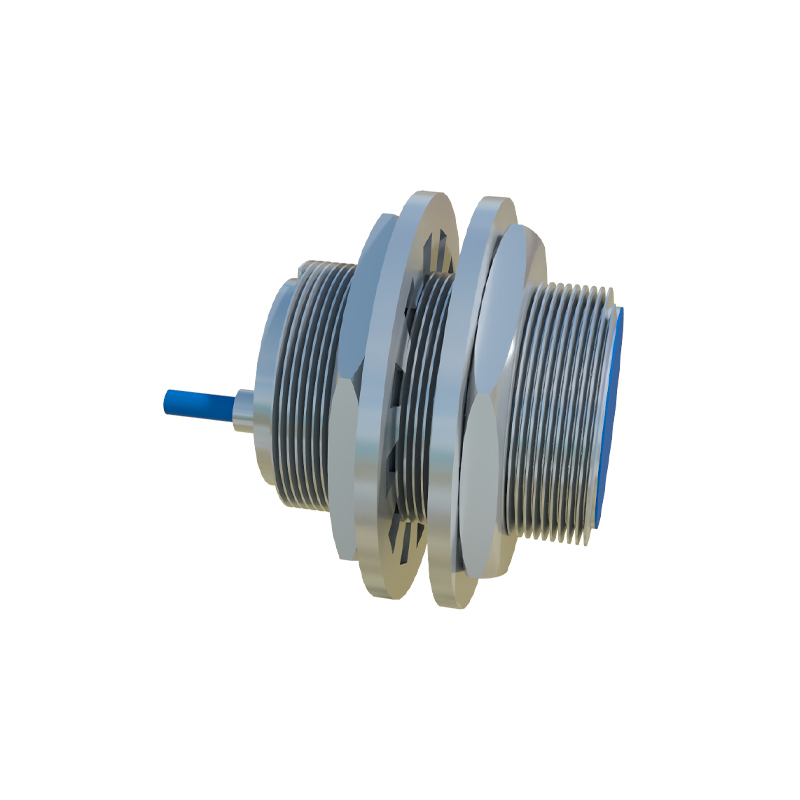
In summary, choosing the right proximity sensor involves a balanced analysis of technology type, operational parameters, and environmental resilience. By evaluating these aspects systematically, engineers can optimize system efficiency, reduce downtime, and enhance safety in industrial automation. Whether for automotive assembly, food processing, or robotics, a well-selected proximity switch is key to achieving reliable and cost-effective automation solutions.