In the world of industrial automation and machine safety, the ability to detect the presence or absence of a metallic object without physical contact is a fundamental requirement. Among the various technologies available, Hall effect metal proximity sensors stand out for their reliability, durability, and precision. Unlike inductive sensors that rely on generating an electromagnetic field, Hall effect sensors operate on a distinct physical principle, offering unique advantages in specific applications.
The core operating principle is based on the Hall effect, discovered by Edwin Hall in 1879. When a current-carrying conductor or semiconductor is placed in a perpendicular magnetic field, a voltage difference, known as the Hall voltage, is generated across the material. In a Hall effect proximity sensor, this principle is harnessed. The sensor itself contains a Hall element (a thin sheet of semiconductor material), a permanent magnet, and signal conditioning circuitry. In its inactive state, the Hall element produces a baseline voltage. When a ferromagnetic metal target, such as steel or iron, enters the sensing range, it distorts and concentrates the magnetic field from the permanent magnet. This change in magnetic flux density is detected by the Hall element, causing a measurable shift in the output Hall voltage. The integrated electronics then process this change and trigger a clean, digital switching signal.
This fundamental mechanism confers several key characteristics. First, Hall effect sensors are inherently digital devices, providing a clear on/off signal, which simplifies integration with programmable logic controllers (PLCs) and other digital systems. Second, their switching frequency can be remarkably high, often in the kilohertz range, making them ideal for high-speed counting or speed detection applications, such as monitoring gear teeth or encoder wheels. Third, they are largely unaffected by environmental factors like dust, oil, moisture, or non-conductive materials, as long as the target is ferromagnetic. Their solid-state design, with no moving parts, translates into exceptional longevity and resistance to mechanical wear and tear.
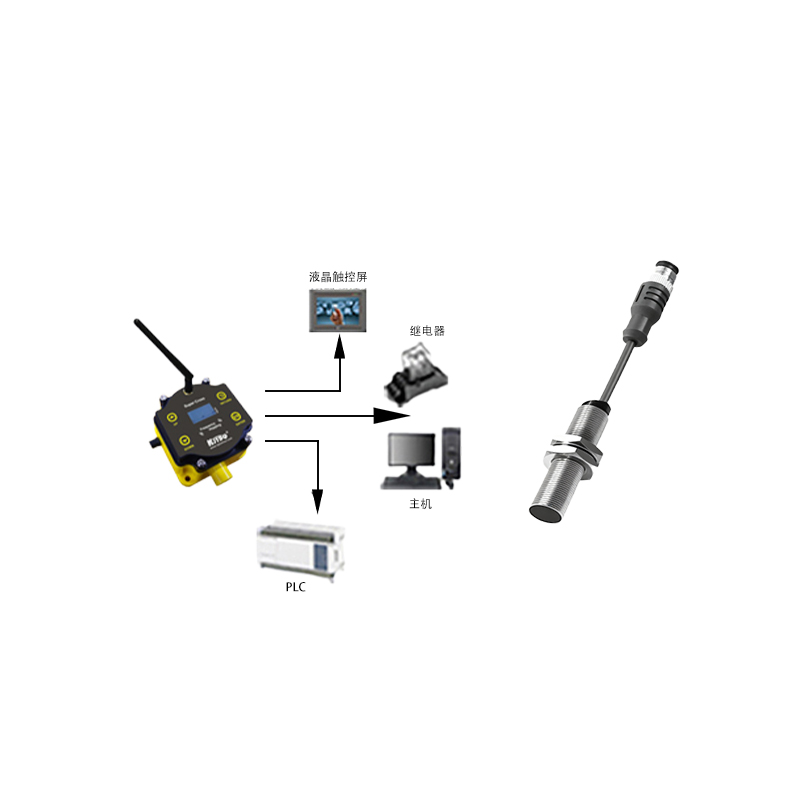
The applications for Hall effect metal proximity sensors are vast and span numerous industries. In automotive systems, they are ubiquitous for detecting crankshaft and camshaft position, measuring wheel speed for anti-lock braking systems (ABS), and confirming gear selection. Within factory automation, they are deployed for precise end-position detection of pneumatic cylinders, where a small magnet embedded in the piston actuator triggers the sensor. They are essential for rotational speed monitoring on motors, conveyors, and shafts. In material handling, they ensure accurate counting of metal parts on production lines. Safety interlocks on machine guards often utilize these sensors to confirm that a protective door is securely closed before machinery can operate.
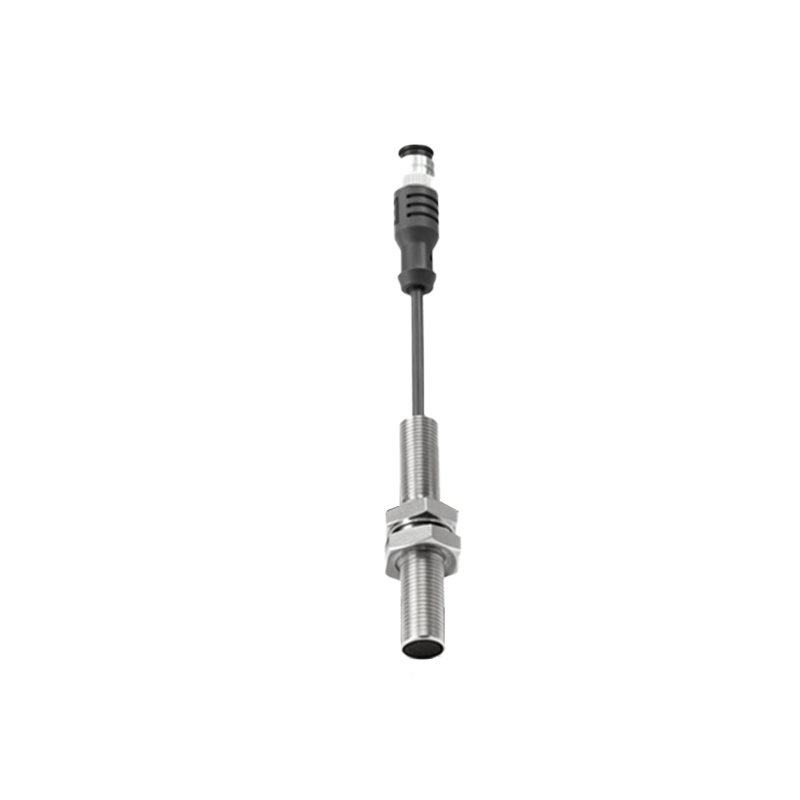
When selecting a Hall effect proximity sensor for a project, several critical parameters must be considered. The sensing distance, typically ranging from a few millimeters to about 20-30 millimeters, must be appropriate for the application, accounting for installation tolerances. The type of output is crucial; options include NPN (sinking), PNP (sourcing), or push-pull configurations, which must match the input requirements of the control system. The supply voltage range (commonly 5-30V DC) and current rating must be compatible. The housing material, such as nickel-plated brass or stainless steel, should be chosen based on the environmental conditions (e.g., washdown, chemical exposure). Furthermore, the switching behavior—normally open (NO) or normally closed (NC)—must be specified. For dynamic sensing, such as speed measurement, the maximum switching frequency is a paramount specification.
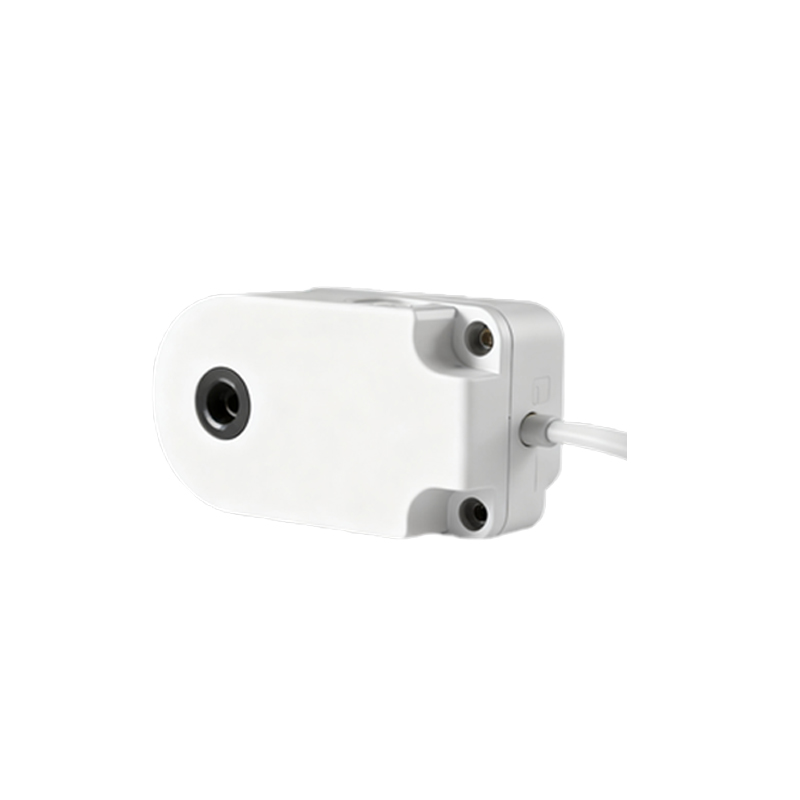
Installation and wiring also demand attention. Ensuring the correct polarity of the power supply is vital to prevent damage. The sensor should be mounted securely to minimize vibration, and the sensing face must be aligned properly with the expected path of the target metal. For ferrous targets, the sensor's performance is optimal; for other metals like aluminum or stainless steel, the effective sensing range may be reduced, and consultation of the manufacturer's datasheet is necessary. Shielding from strong external magnetic fields is also good practice to avoid false triggering.
In comparison to inductive proximity sensors, Hall effect models excel in applications requiring very high switching speeds and precise detection of magnetic fields. Inductive sensors may have longer ranges for ferrous metals but generally operate at lower frequencies. The choice ultimately hinges on the specific requirements of the task: target material, required speed, environmental conditions, and electrical interface.
In conclusion, Hall effect metal proximity sensors are a sophisticated and robust solution for non-contact detection of ferromagnetic objects. Their operation, rooted in a well-understood physical phenomenon, provides fast, reliable, and durable performance critical to modern industrial and automotive systems. By carefully considering the principles, applications, and selection criteria outlined, engineers and technicians can effectively leverage these sensors to enhance automation, improve safety, and increase operational efficiency.