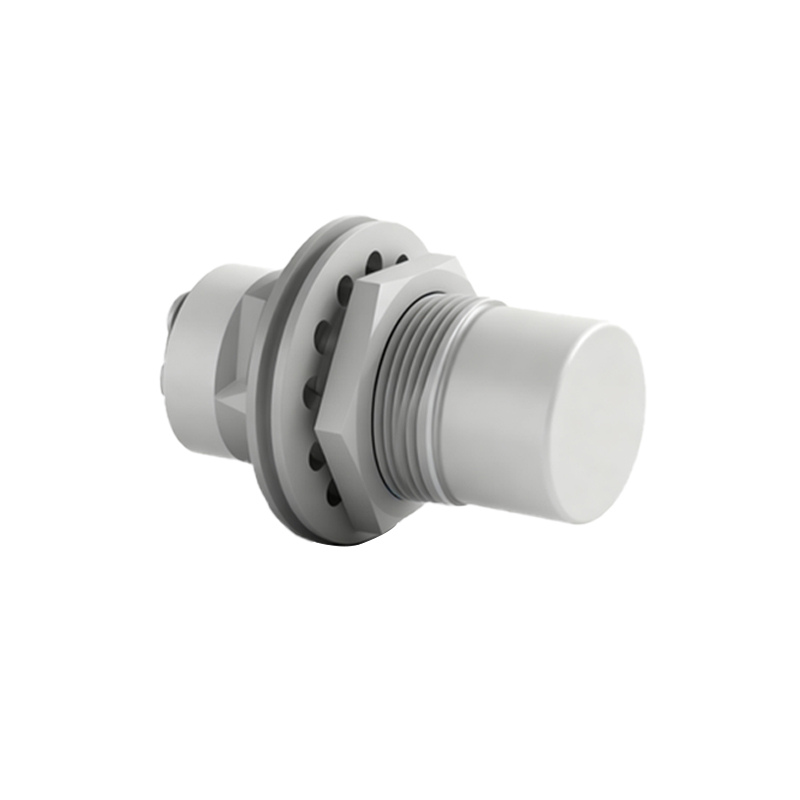
Inductive proximity sensors are pivotal components in modern industrial automation, offering non-contact detection of metallic objects. These sensors operate on the principle of electromagnetic induction, where an oscillator generates a high-frequency magnetic field. When a metallic target enters this field, eddy currents are induced, causing a change in the sensor's oscillation amplitude. This alteration is detected by a threshold circuit, triggering an output signal—typically a switching action—without physical contact. The reliability and durability of inductive proximity sensors make them indispensable in harsh environments, such as manufacturing lines, robotics, and automotive assembly, where they facilitate precise positioning, object counting, and safety monitoring.
Images of inductive proximity sensors provide valuable insights into their design, installation, and functionality. A typical sensor image showcases a cylindrical or rectangular housing, often made of stainless steel or nickel-plated brass to resist corrosion and mechanical stress. The sensing face, usually marked with indicators, emits the magnetic field and must be positioned correctly relative to the target. Key visual elements in these images include the body size, which ranges from compact M8 or M12 threaded barrels to larger housings for extended sensing distances; wiring connections, with options for 2-wire, 3-wire, or 4-wire configurations supporting DC or AC voltages; and LED indicators that display power status and output activation. Additionally, images may highlight protective features like IP67 or IP69K ratings for dust and water resistance, ensuring operation in demanding conditions.
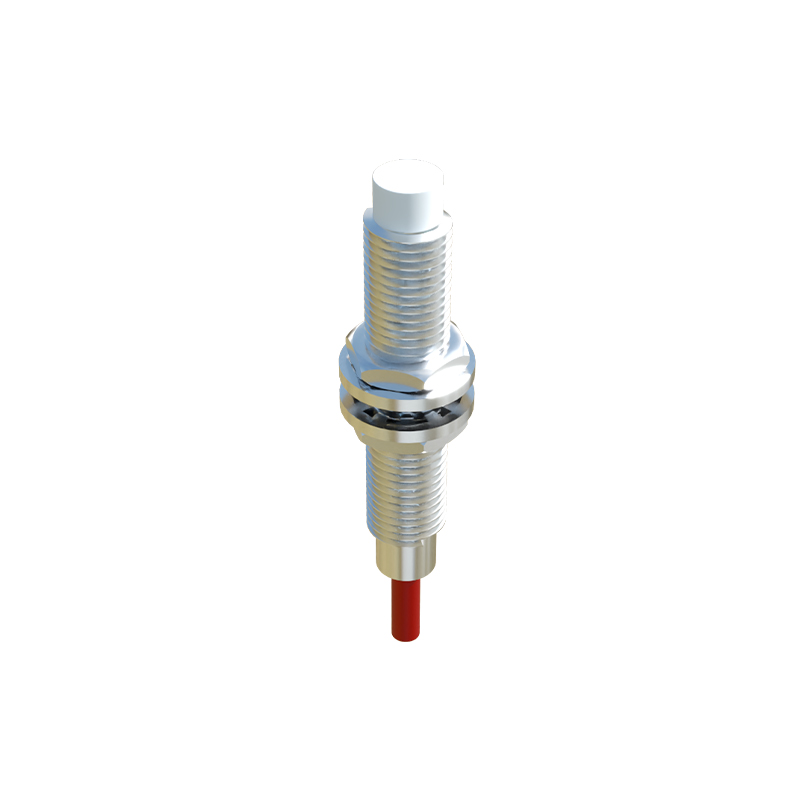
When analyzing inductive proximity sensor images, it's crucial to note technical specifications depicted in labels or diagrams. These often include sensing distance, which varies from a few millimeters to several centimeters depending on the sensor size and target material (e.g., steel, aluminum, or copper). The reduction factor for non-ferrous metals is a critical parameter, as it affects detection range. Output types, such as NPN (sinking) or PNP (sourcing) transistors, and NO (normally open) or NC (normally closed) contacts, are also visible in wiring schematics within images. Mounting considerations, like flush or non-flush installation, influence the effective sensing range and are illustrated through cross-sectional views. For instance, flush-mounted sensors can be embedded in metal without loss of function, while non-flush versions offer longer ranges but require clearance.
In practice, images aid in troubleshooting and selection. Common visual cues include wear marks on the sensing face, indicating potential misalignment or excessive vibration, and cable strain reliefs to prevent damage. Comparison images between inductive and other sensor types, like capacitive or photoelectric, help users choose based on application needs—inductive sensors excel with metals but ignore non-metallics. Real-world application photos demonstrate sensors integrated into conveyor systems, machine tools, or robotic arms, detecting parts like gears, bolts, or pallets. These visuals emphasize proper alignment, minimal gap maintenance, and avoidance of interference from adjacent metals or electrical noise.
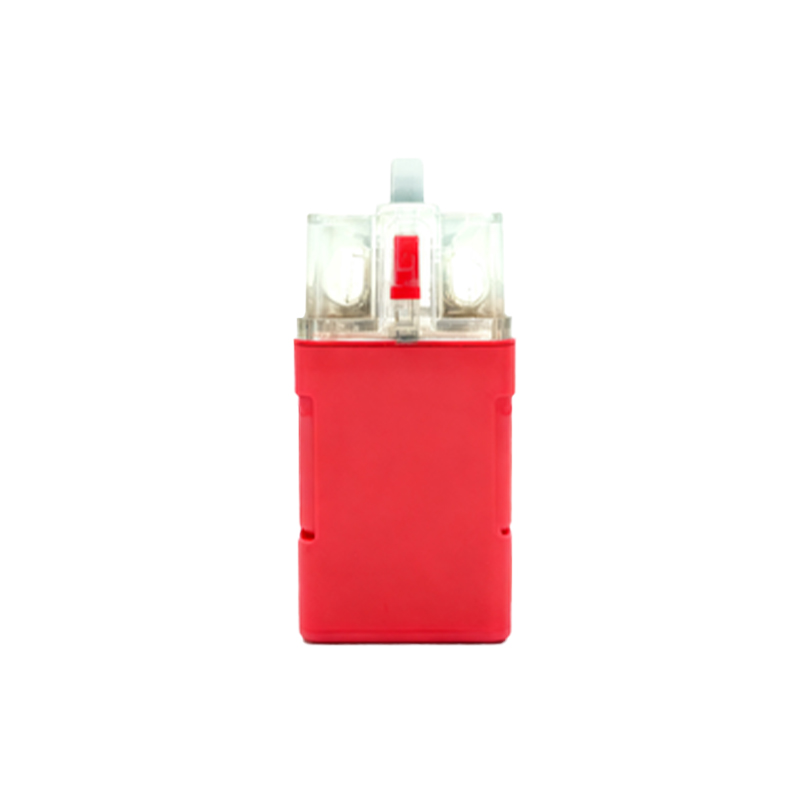
Overall, inductive proximity sensor images serve as essential tools for engineers and technicians, bridging theoretical knowledge with practical implementation. They enhance understanding of sensor capabilities, foster correct installation, and support efficient maintenance in industrial automation. By interpreting these images accurately, professionals can optimize system performance, reduce downtime, and ensure safety in automated processes. As technology advances, high-resolution images and 3D models further aid in virtual commissioning and training, solidifying the role of visual resources in the electrical engineering field.