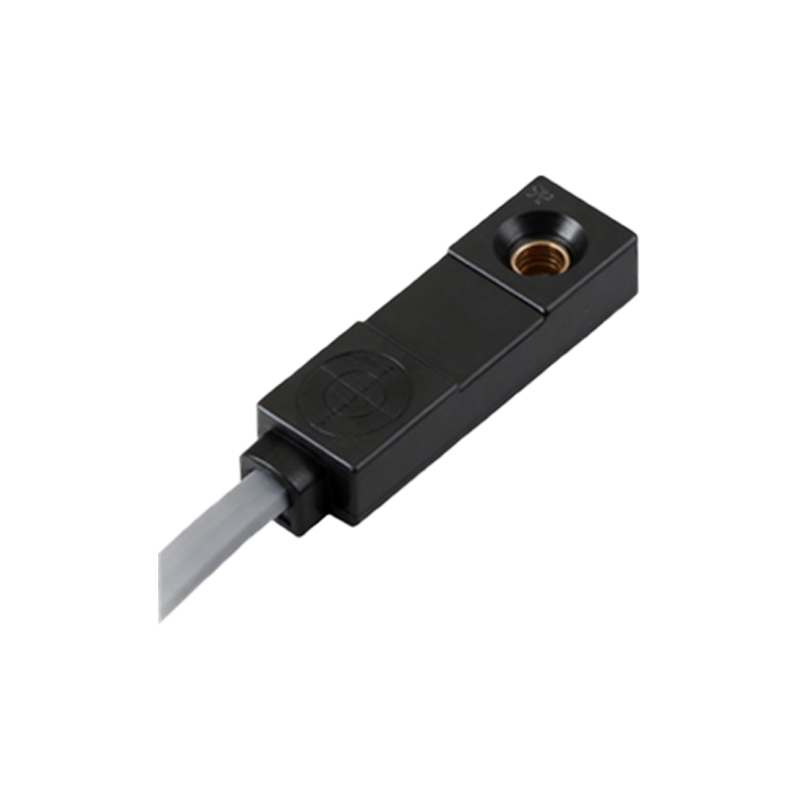
Proximity eddy current sensors represent a cornerstone technology in modern industrial automation and precision measurement. Operating on fundamental electromagnetic principles, these non-contact sensors offer unparalleled reliability for position, displacement, and vibration monitoring in demanding environments. This article delves into their working mechanism, key advantages, diverse applications, and critical factors for selection.
The core operating principle is based on Faraday's law of electromagnetic induction and the formation of eddy currents. The sensor comprises a coil energized by a high-frequency alternating current, generating an oscillating magnetic field. When this field approaches a conductive target material, it induces circular currents—eddy currents—within the target. These eddy currents, in turn, generate their own opposing magnetic field, which interacts with the sensor's field. This interaction alters the impedance of the sensor's coil. The change in impedance—specifically, the resistive and inductive components—is precisely correlated to the distance between the sensor probe and the target. Sophisticated onboard electronics condition this signal to produce a stable, linear output proportional to the gap or displacement.
The advantages of this technology are significant. As a non-contact method, it eliminates mechanical wear, ensuring long-term stability and repeatability. It is capable of measuring through non-conductive materials like paint, oil, or plastic coatings, enabling measurements on sealed systems. These sensors exhibit exceptional resolution, often in the sub-micron range, and high-frequency response, making them ideal for dynamic vibration analysis. They are inherently robust, resistant to dust, moisture, oil, and pressure, thriving in harsh industrial settings where optical or capacitive sensors might fail. Furthermore, they are insensitive to the medium between the probe and target, such as air or vacuum.
Applications span numerous critical industries. In aerospace and turbomachinery, they are indispensable for monitoring blade tip clearance, shaft radial and axial position, and vibration in jet engines and gas turbines, ensuring operational safety and efficiency. Within industrial automation, they perform vital tasks such as precise runout measurement of rotating shafts, eccentricity detection, metal thickness gauging, and crack detection in conductive components. They are pivotal in CNC machining for tool wear monitoring and workpiece positioning. In the automotive sector, they test camshaft/crankshaft timing and suspension dynamics.
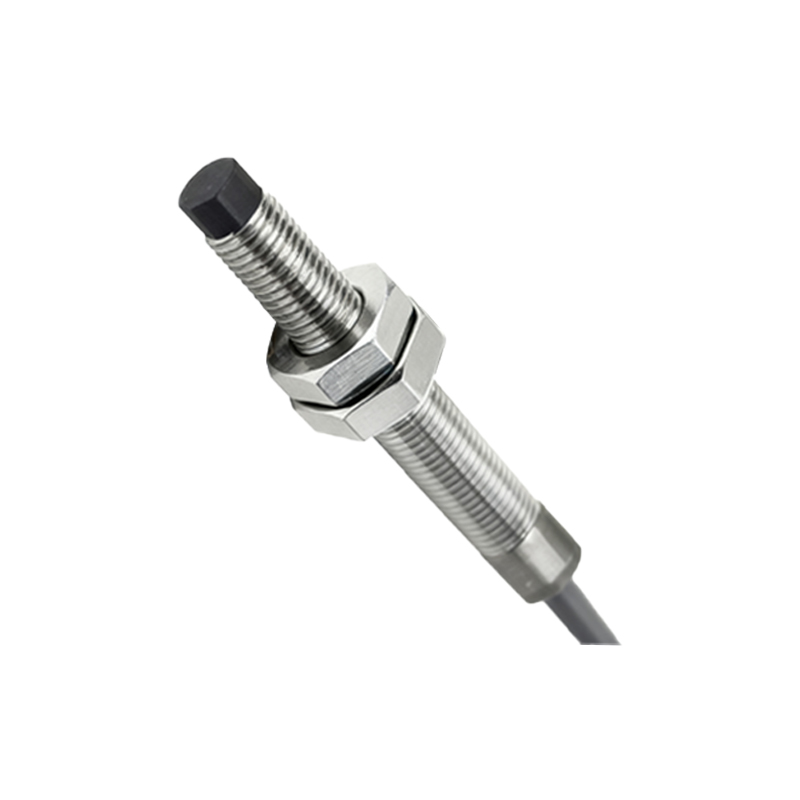
Selecting the right proximity eddy current sensor requires careful consideration of several parameters. First, the target material is paramount; the sensor must be calibrated for the specific electrical conductivity and permeability of the target metal (e.g., steel, aluminum, copper), as different materials affect the sensing range and output. The required measuring range and resolution dictate the probe size and electronics specification. Environmental conditions, including temperature extremes, presence of chemicals, or strong ambient electromagnetic fields, must be matched with the sensor's housing rating and shielding. Output type is another key decision; analog outputs (e.g., 0-10 VDC, 4-20 mA) are common for continuous measurement, while digital interfaces (e.g., IO-Link) offer advanced diagnostics and parameterization. Finally, mechanical constraints such as probe diameter, thread size, and cable length must suit the installation.
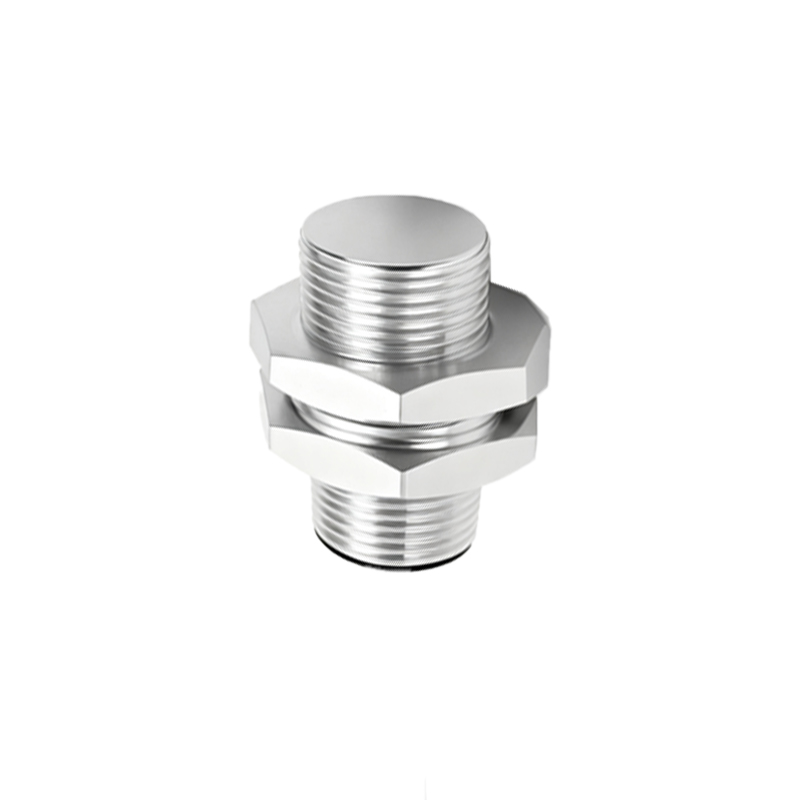
In conclusion, proximity eddy current sensors are a powerful and versatile solution for non-contact displacement measurement. Their robustness, high precision, and ability to function in adverse conditions make them essential for predictive maintenance, quality control, and safety systems across advanced manufacturing and engineering fields. A thorough understanding of their principles and a methodical selection process are key to leveraging their full potential in any application.