In the realm of precision imaging, achieving optimal focus is paramount. Traditional autofocus mechanisms, while effective, often struggle with speed, accuracy, and performance in low-light conditions. Enter Laser Autofocus (AF) sensors—a groundbreaking technology that has redefined focus accuracy across various applications, from smartphone photography to industrial machine vision systems. This article delves into the operational principles, advantages, and real-world applications of laser AF sensors, highlighting their transformative impact on modern imaging.
At its core, a laser AF sensor operates by emitting a low-power laser beam toward the subject. The sensor then measures the time it takes for the reflected light to return, a method known as Time-of-Flight (ToF). This data is processed to calculate the exact distance between the sensor and the subject. Unlike contrast-detection or phase-detection AF systems that rely on ambient light and image contrast, laser AF functions independently of lighting conditions. This independence allows for rapid and precise focus acquisition, even in complete darkness or when capturing low-contrast subjects.
The superiority of laser AF sensors lies in their exceptional speed and reliability. Conventional autofocus systems may "hunt" for focus, especially in challenging environments, leading to delays and missed shots. Laser AF, however, provides instantaneous distance data, enabling the lens to adjust directly to the correct focal point. This is particularly crucial in dynamic scenarios such as action photography, videography, or automated manufacturing lines where milliseconds matter. Moreover, the precision of laser measurement minimizes focus errors, ensuring sharp, clear images consistently.
From a technical standpoint, integrating laser AF sensors involves sophisticated components: a laser diode, a photodetector, and a dedicated processing unit. The laser diode emits infrared light, which is safe and invisible to the human eye. The photodetector captures the reflected signal, and the processor computes the distance using the ToF principle. Advanced algorithms further enhance accuracy by filtering out noise and compensating for environmental factors like temperature fluctuations. This integration is now commonplace in high-end smartphones, digital cameras, drones, and robotics, driving innovations in autofocus capabilities.

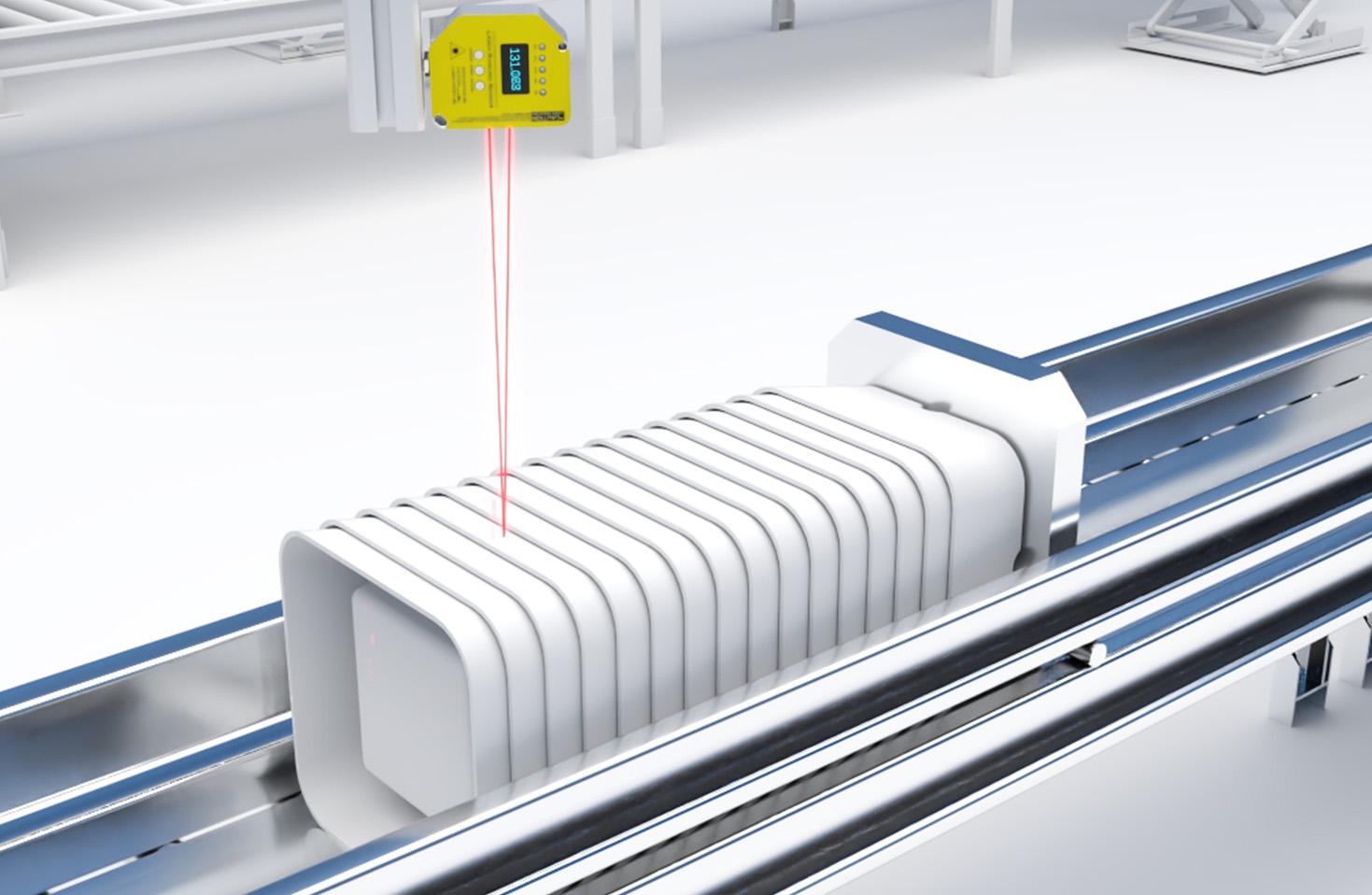
In industrial applications, laser AF sensors are indispensable for quality control and automation. Machine vision systems utilize them to inspect components with micron-level precision, ensuring defects are detected in real-time. In medical imaging, they facilitate accurate focusing in endoscopic procedures or microscopy, improving diagnostic outcomes. The automotive industry leverages laser AF in advanced driver-assistance systems (ADAS) for object detection and ranging, contributing to enhanced safety features.

Despite their advantages, laser AF sensors are not without limitations. Their effective range is typically shorter than some other focusing methods, making them ideal for close to medium distances. Additionally, they may face challenges with highly reflective or absorbent surfaces that interfere with laser reflection. Ongoing research aims to extend range capabilities and improve adaptability through hybrid systems that combine laser AF with other technologies like phase detection.
Looking ahead, the evolution of laser AF sensors is poised to integrate with artificial intelligence and machine learning. AI can predict focus points based on scene analysis, while laser data provides exact measurements, creating a synergistic effect for unparalleled autofocus performance. As imaging demands grow in fields like virtual reality, autonomous vehicles, and smart devices, laser AF will continue to be a cornerstone of innovation.
In conclusion, laser AF sensors represent a significant leap forward in focus technology. By offering unmatched speed, accuracy, and reliability, they address the limitations of traditional autofocus systems and enable new possibilities in both consumer and industrial imaging. As engineers and developers refine this technology, we can expect even more sophisticated applications that push the boundaries of what is visually achievable. Embracing laser AF is not just an upgrade—it's a transformation in how we capture and interpret the world.