In the rapidly evolving landscape of industrial automation, millimeter-level proximity sensors have become indispensable components, enabling precise detection and control in manufacturing, robotics, and safety systems. The pricing of these sensors is influenced by a multifaceted array of factors, which engineers and procurement specialists must carefully evaluate to balance performance with budget constraints.
At the core, the technology type significantly dictates cost. Inductive sensors, commonly used for detecting metallic objects, are generally more economical, with prices starting from around $20 to $100 per unit for standard models. Capacitive sensors, capable of sensing both metallic and non-metallic materials, often carry a premium, typically ranging from $30 to $150, depending on sensitivity and environmental robustness. For applications requiring extreme precision, such as in semiconductor manufacturing or medical devices, high-end models utilizing advanced technologies like laser triangulation or ultrasonic sensing can exceed $500 per unit.
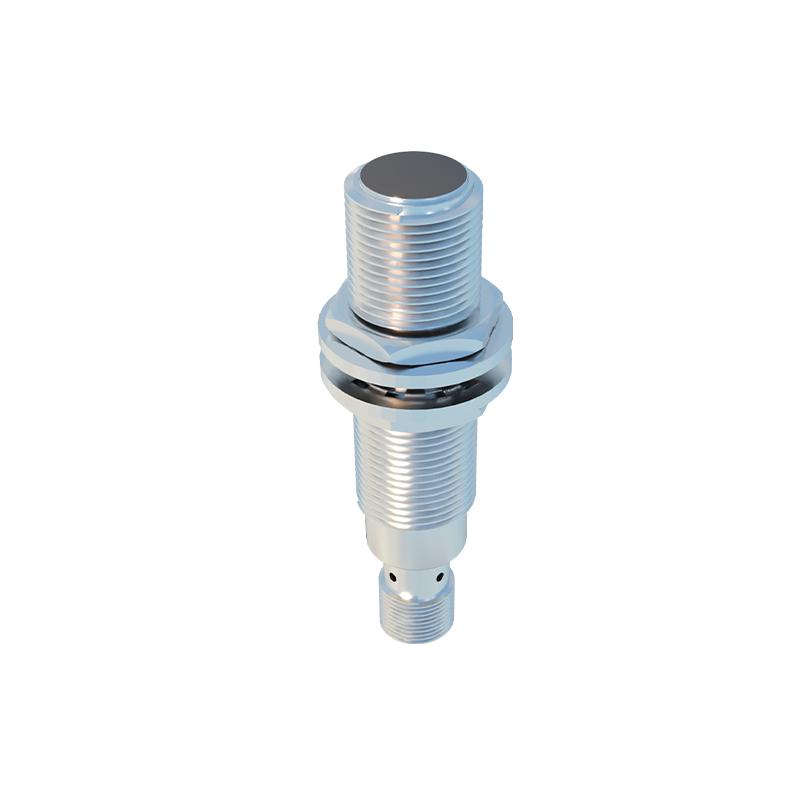
Detection range and accuracy are primary cost drivers. Sensors offering sub-millimeter resolution (e.g., 0.1mm accuracy) command higher prices due to complex calibration and superior internal components. For instance, a sensor with ±0.05mm repeatability might cost 30-50% more than one with ±0.5mm tolerance. The housing material also plays a crucial role; stainless steel or IP67-rated enclosures for harsh environments add to the expense compared to plastic housings for light-duty use.
Integration features, such as analog outputs (4-20mA, 0-10V), digital interfaces (IO-Link, PROFINET), or programmable logic, elevate costs but enhance connectivity in smart factories. A basic two-wire DC sensor may be priced under $50, while an IO-Link enabled variant with diagnostics could range from $80 to $200. Brand reputation further influences pricing, with established manufacturers like Sick, Omron, or Balluff charging premiums for reliability and support, whereas generic brands may offer lower upfront costs but pose risks in long-term performance.
Volume purchasing remains a key strategy for cost reduction. Orders exceeding 100 units often attract discounts of 10-25%, making bulk procurement advantageous for large-scale deployments. However, total cost of ownership (TCO) should include maintenance, calibration, and downtime considerations—cheaper sensors might incur higher lifecycle expenses due to frequent failures.
Market trends indicate a gradual price decline for standard models due to mass production and competition, while innovative sensors with AI capabilities or enhanced durability see stable or rising prices. Engineers are advised to conduct thorough needs analysis, prioritizing essential specifications like response time, temperature range, and electrical noise immunity to avoid over-specifying, which unnecessarily inflates costs.
In summary, millimeter-level proximity sensor prices vary widely from $15 to over $1000, shaped by technology, precision, durability, and smart features. A strategic approach focusing on application-specific requirements and TCO will ensure optimal investment in these critical components, driving efficiency and reliability in modern industrial systems.