Laser sensors have become indispensable components across numerous industries, from automotive manufacturing and robotics to aerospace and consumer electronics. Their precision, reliability, and non-contact measurement capabilities hinge fundamentally on the quality and properties of the raw materials used in their construction. The manufacturing of a laser sensor is a sophisticated process that integrates optics, electronics, and precision mechanics. This article delves into the essential raw materials required for producing high-performance laser sensors, explaining their roles and the critical considerations in material selection.
The heart of any laser sensor is its optical subsystem. This begins with the laser diode, the core light source. The semiconductor material for laser diodes is typically Gallium Arsenide (GaAs) or Indium Gallium Arsenide (InGaAs), grown using epitaxial techniques like Metal-Organic Chemical Vapor Deposition (MOCVD). These compound semiconductors are chosen for their ability to emit light at specific wavelengths—commonly in the visible red (650nm) or near-infrared (850nm, 905nm, 1550nm) spectra—with high efficiency and stability. The precise wavelength dictates the sensor's application; for instance, 1550nm is eye-safe and penetrates atmospheric haze better, making it suitable for LiDAR.
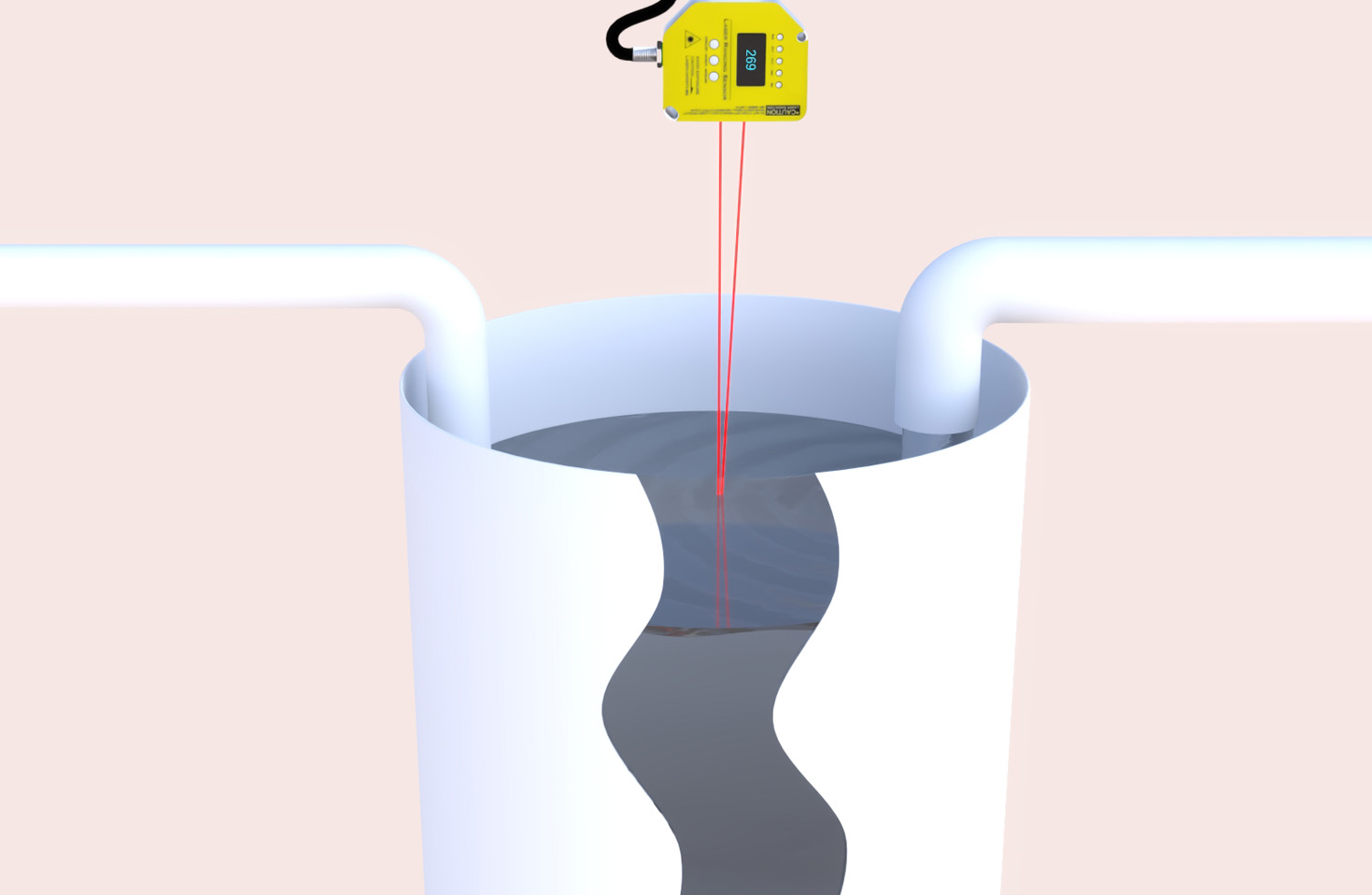
Next are the optical lenses and windows. These elements collimate the laser beam, focus reflected light, and protect internal components. They are predominantly made from high-quality optical glasses, such as BK7 or fused silica (SiO2). For demanding environments requiring exceptional thermal stability and low dispersion, synthetic crystals like Zinc Selenide (ZnSe) or Sapphire (Al2O3) are employed. The material must exhibit excellent transparency at the laser's operating wavelength, possess precise refractive indices, and be free from internal bubbles or striations. Anti-reflective coatings, often multi-layer stacks of materials like Magnesium Fluoride (MgF2) or Titanium Dioxide (TiO2), are vacuum-deposited onto these optics to minimize light loss.
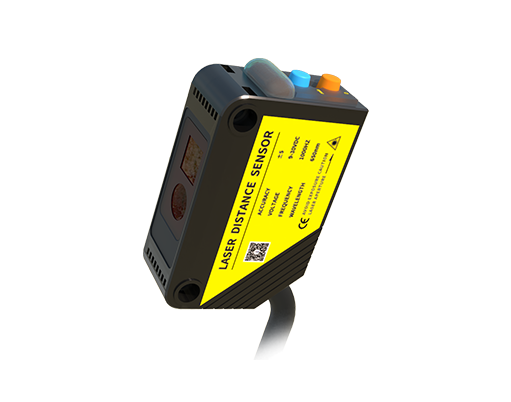
The photodetector, which converts the returning light signal into an electrical current, is another critical component. For sensors operating with common near-infrared lasers, Silicon (Si) photodiodes are standard due to their high sensitivity and low cost in that range. For longer wavelengths (e.g., 1550nm), materials like Indium Gallium Arsenide (InGaAs) or Germanium (Ge) are necessary. The choice of detector material directly impacts the sensor's signal-to-noise ratio and maximum detection range.
The electronic subsystem relies on a suite of materials. The printed circuit board (PCB) forms the backbone, typically constructed from FR-4, a flame-retardant glass-reinforced epoxy laminate. For high-frequency signal processing common in time-of-flight sensors, materials with lower dielectric loss, such as Rogers or Teflon-based laminates, are preferred. Semiconductor materials for integrated circuits (ICs), primarily silicon, are used for the transimpedance amplifier, microcontroller, and signal processing chips. High-purity copper is used for PCB traces and connectors to ensure minimal signal attenuation.
Structural and packaging materials ensure durability and precision. The sensor housing is often made from aluminum alloys (e.g., 6061-T6) or stainless steel (e.g., 304, 316) for their excellent machinability, strength-to-weight ratio, and corrosion resistance. For thermal management, aluminum housings often double as heat sinks. Internal mounts and optical benches require materials with high dimensional stability, such as invar (an iron-nickel alloy) or specialized ceramics, to prevent misalignment from thermal expansion. Gaskets and seals made from elastomers like silicone or fluorocarbon (Viton) provide ingress protection (IP ratings) against dust and moisture.
Finally, interconnects and solders are vital. High-reliability sensors use gold-plated connectors to prevent oxidation and ensure consistent electrical contact. Lead-free solders, primarily SAC alloys (Tin-Silver-Copper), are now standard for assembling components onto PCBs, complying with environmental regulations like RoHS.
In conclusion, the performance of a laser sensor is a direct function of its material composition. From the semiconductor junction of the laser diode to the alloy of its external casing, each material is selected based on stringent optical, electrical, thermal, and mechanical criteria. Advances in material science, such as new semiconductor compounds for higher-power diodes or novel polymers for lightweight housings, continue to push the boundaries of what laser sensors can achieve. Manufacturers must maintain rigorous supply chain and quality control standards for these raw materials to ensure the final product delivers the accuracy, longevity, and reliability expected in modern industrial and commercial applications.