In industrial automation and process control, the ability to detect objects reliably in high-temperature environments is a critical engineering challenge. Standard inductive or capacitive proximity sensors often fail when ambient temperatures exceed their standard operating ranges, typically around 70°C to 85°C. This is where specialized high-temperature rectangular proximity sensors become indispensable. These robust devices are engineered to maintain precise detection and stable performance in environments where heat is a constant factor, such as near furnaces, ovens, die-casting machines, welding equipment, and in automotive paint-drying lines.
The fundamental design of a high-temperature rectangular proximity sensor starts with its housing. Unlike standard cylindrical sensors, the rectangular form factor offers distinct advantages. It allows for a larger internal volume, which is crucial for better heat dissipation and for housing specialized, heat-resistant components. The enclosure is typically constructed from high-grade, temperature-stable materials such as PPS (Polyphenylene Sulfide), PTFE (Polytetrafluoroethylene), or specially formulated ceramics. These materials exhibit excellent mechanical strength and dimensional stability even when subjected to prolonged thermal cycling and exposure to temperatures ranging from 120°C to over 200°C, depending on the model.
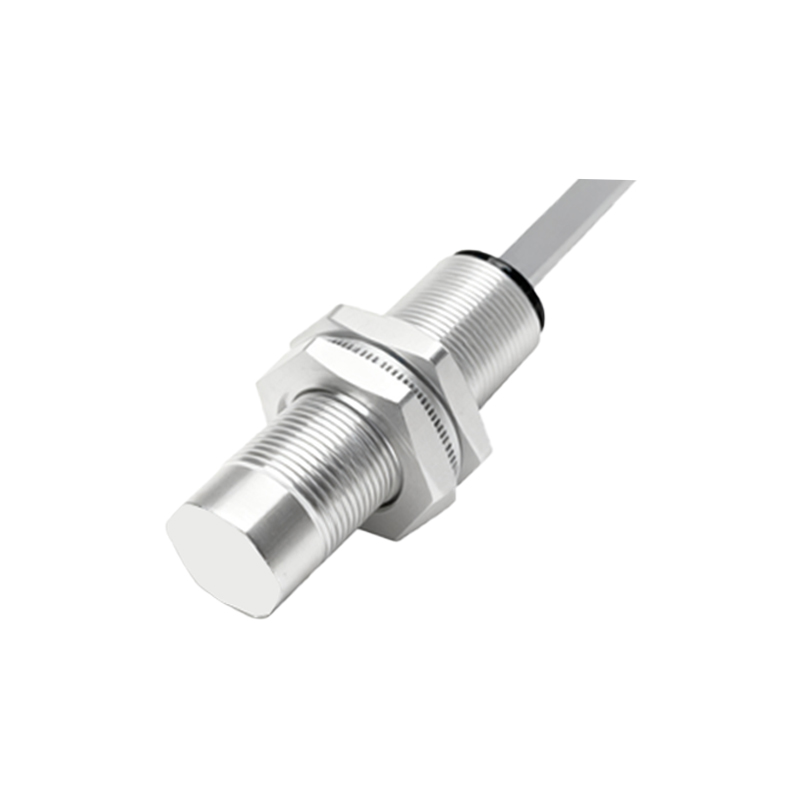
Internally, every component is selected and tested for thermal endurance. The sensing coil, the heart of an inductive proximity sensor, is wound with high-temperature-rated wire and potted with thermally conductive, yet electrically insulating, compounds to protect against thermal shock and vibration. The integrated circuitry is designed with wide-temperature-range semiconductors and passive components. Advanced models incorporate temperature compensation algorithms that actively adjust the sensor's switching points and signal amplification to counteract the effects of temperature drift on the sensing field and electronic characteristics. This ensures that the switching distance remains consistent whether the ambient temperature is 25°C or 150°C.
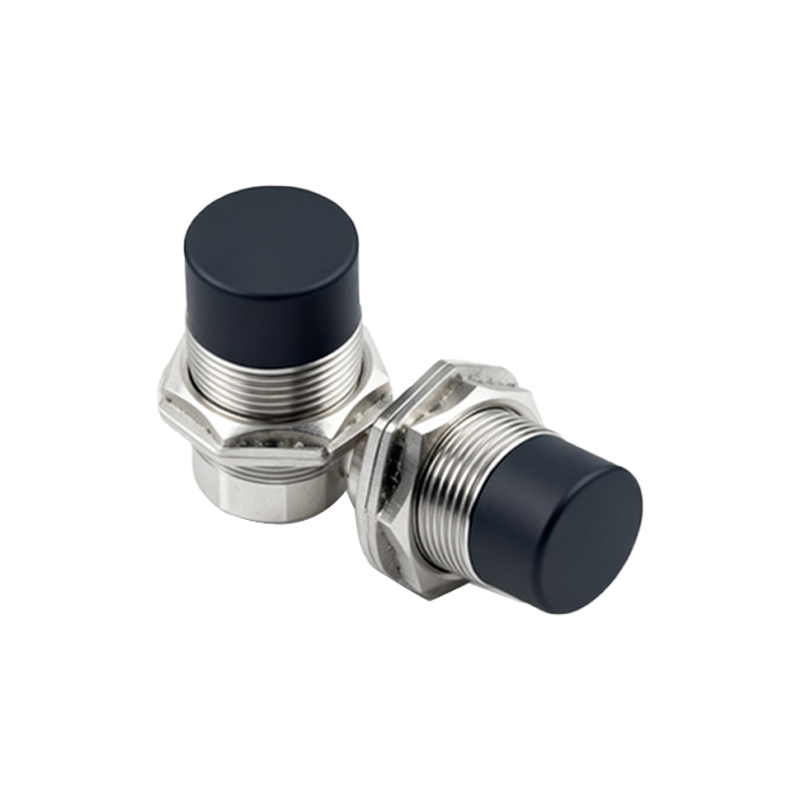
The sensing face of a rectangular sensor is another critical area. It is designed to minimize the thermal path from the hot target or environment to the internal electronics. A thick front wall made of the high-temperature housing material acts as a thermal barrier. For capacitive variants designed to detect non-metallic objects in high-heat zones, the electrode design and dielectric materials are similarly optimized to prevent performance degradation.
Electrical connections and cabling are equally vital. High-temperature sensors are equipped with cables that have silicone or PTFE insulation, capable of withstanding continuous exposure to heat without cracking or becoming brittle. The connection points within the sensor are sealed to prevent ingress of contaminants like oil or metallic dust, which are common in hot industrial settings and could compound failure risks.
Application engineering for these sensors requires careful consideration. Key parameters include not just the stated maximum ambient temperature, but also the thermal mass and temperature of the target objects, the duration of exposure, and potential cooling methods. In some installations, simple air cooling or the use of a heat sink bracket can extend the sensor's service life. Mounting is also simplified by the rectangular shape, which provides a stable, flat surface for bracket installation and prevents rotation, ensuring the sensing face remains accurately aligned.
The benefits of deploying these specialized sensors are substantial. They drastically reduce downtime caused by sensor failure in critical high-heat processes, enhance safety by providing reliable machine guarding and part detection, and improve overall process consistency. Their robust construction also makes them resistant to other harsh conditions often found alongside high temperatures, such as spray from coolants, cutting fluids, and wash-down procedures.
In conclusion, high-temperature rectangular proximity sensors represent a focused solution to a demanding industrial problem. Their design—from the material science of the housing to the thermal management of the electronics—is a testament to applied engineering. For system integrators and plant engineers, specifying the correct high-temperature sensor is not merely an accessory choice but a fundamental decision for ensuring reliability, safety, and efficiency in the most thermally challenging points of an automated system. As industrial processes push toward higher efficiencies and greater outputs, the role of these hardened sensing components will only become more central.