In the intricate tapestry of modern technology, few components are as ubiquitous yet invisible as the proximity sensor. As an electrical engineer with years of experience in industrial automation and consumer electronics, I find the seamless integration of these devices into our daily lives a fascinating study in applied physics and practical design. Far from being confined to factory floors, proximity sensors have become silent, indispensable partners in our routines, enhancing safety, convenience, and efficiency in ways most users scarcely notice.
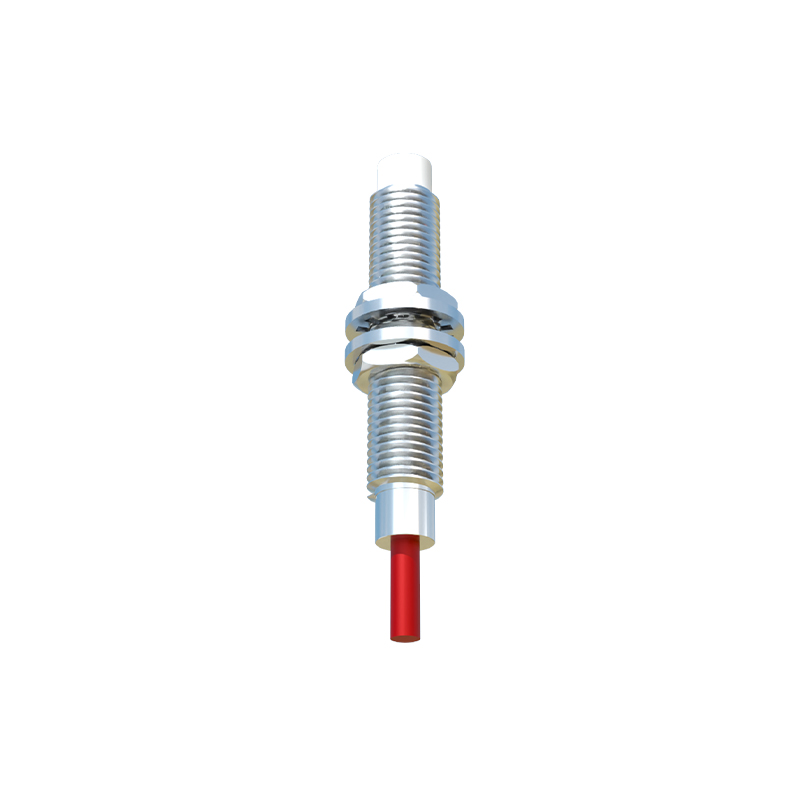
At its core, a proximity sensor is a device that detects the presence or absence of an object within a specified range without any physical contact. The most common types employed in consumer applications are capacitive and infrared (IR) sensors. Capacitive sensors detect changes in an electrical field, ideal for sensing conductive or even non-conductive materials like a human hand. IR sensors, on the other hand, emit an infrared light beam and measure its reflection. Each technology has its niche, chosen by engineers based on required range, target material, environmental conditions, and cost.
Let's start the day. Your smartphone screen automatically dims or turns off when you raise it to your ear during a call. This is a classic application of an IR proximity sensor, preventing accidental screen touches and saving battery life. The same principle allows your laptop to sleep when you close the lid. As you approach an automatic sliding door at a supermarket, a motion detector often coupled with a proximity sensor triggers its opening, a blend of technologies ensuring smooth, hands-free access.
In the kitchen, modern faucets with touchless operation rely on capacitive or IR proximity sensors. Waving a hand initiates the water flow, promoting hygiene and conservation. Some advanced refrigerators feature doors that unlock with a gentle nudge from your knee, thanks to a sensor detecting close-range proximity, a boon when your hands are full of groceries. Even in cooking, induction hobs use a form of proximity sensing to ensure they only activate when a suitable ferromagnetic pot is placed on them, marrying safety with energy efficiency.
Automotive applications are perhaps the most safety-critical. The parking assist system that beeps as you reverse is powered by ultrasonic proximity sensors. They emit high-frequency sound waves and calculate distance based on the echo's return time. More advanced systems use radar or LiDAR sensors for adaptive cruise control and collision avoidance, creating a cocoon of awareness around the vehicle. The simple act of a dome light turning on when you open a car door often involves a magnetic proximity (reed) switch.
Home automation is another fertile ground. Smart lighting systems can use proximity sensors to turn lights on when you enter a room and off after you leave, optimizing energy use. Robotic vacuum cleaners navigate and avoid obstacles using an array of IR and bump sensors. Even in restrooms, touchless soap dispensers, hand dryers, and flush systems operate on proximity sensing principles, reducing germ transmission.
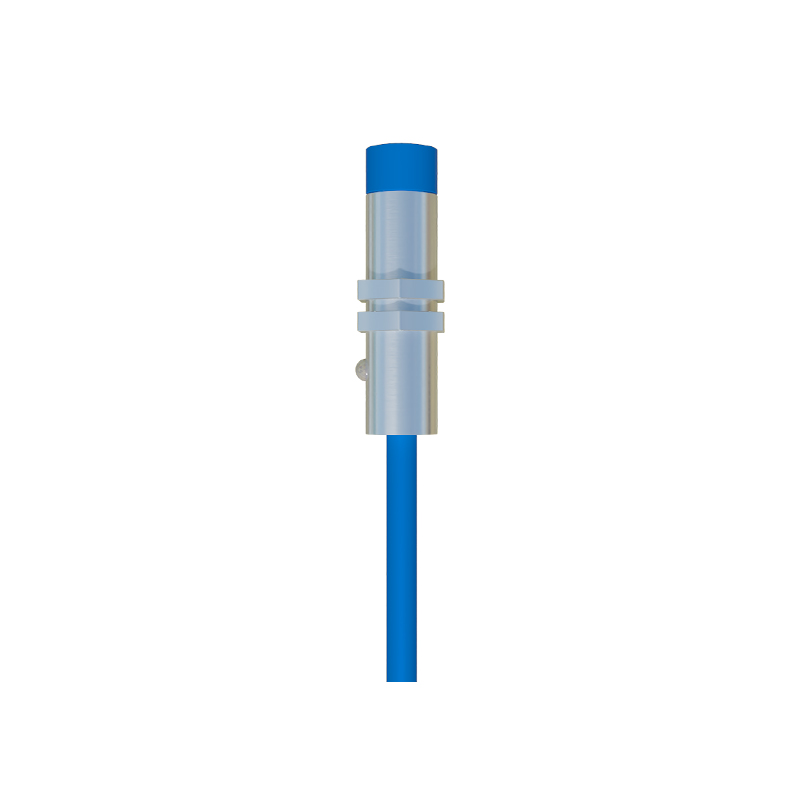
The industrial pedigree of these sensors shines through in these consumer adaptations. The robustness, reliability, and precision demanded in manufacturing—where sensors count parts, control robotic arms, and ensure machine safety—have been scaled and refined for domestic environments. Design challenges shift from withstanding harsh factory conditions to achieving aesthetic invisibility, low power consumption for battery-operated devices, and immunity to false triggers from ambient light or common household materials.
Looking ahead, the role of proximity sensing will only expand with the Internet of Things (IoT). As devices become more interconnected and context-aware, the ability to sense a user's presence or the proximity of objects becomes a fundamental input. Imagine cabinets that light up as you reach for them, or mirrors that display information only when someone is standing before them. The technology is moving towards miniaturization, multi-functionality, and lower power consumption, enabling ever more intuitive and responsive environments.
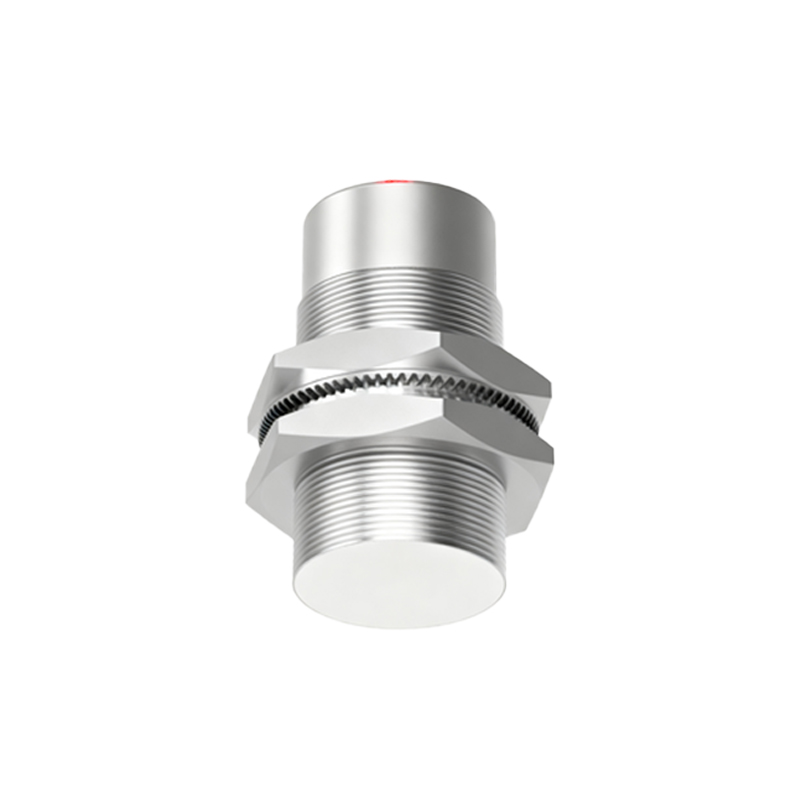
In conclusion, proximity sensors represent a perfect example of engineering elegance—solving a simple problem (detecting presence) with sophisticated yet cost-effective technology. They work tirelessly in the background, removing friction from our interactions with machines and spaces. As engineers, our goal is to make this technology so reliable and seamless that it fades into the fabric of daily life, which, ironically, is the ultimate mark of its success. The next time a door slides open magically or your phone screen blinks off, remember the tiny, unseen sensor making it happen—a small marvel of electrical engineering at your service.