Magnetic proximity sensors are fundamental components in modern industrial automation and control systems. They operate on a non-contact principle, detecting the presence or absence of a magnetic field, typically generated by a permanent magnet or an electromagnet. This detection triggers a switching action within the sensor, providing a reliable digital signal to a programmable logic controller (PLC) or other control unit. Unlike mechanical limit switches, they have no moving parts that can wear out, offering exceptional longevity and reliability in harsh environments characterized by dust, moisture, vibration, and extreme temperatures.
The core operating principle is based on the Hall effect or magnetoresistive technology. Hall-effect sensors, the most common type, generate a voltage difference (the Hall voltage) across an electrical conductor when a magnetic field is applied perpendicular to the current flow. This voltage is processed by integrated circuitry to produce a clean, sharp switching signal. Magnetoresistive sensors, on the other hand, change their electrical resistance in the presence of a magnetic field, offering high sensitivity and the ability to detect both the presence and polarity of a magnetic field. Another variant, the reed switch type, uses two ferromagnetic reeds sealed in a glass tube. When a magnetic field is applied, the reeds attract each other and make contact, closing the circuit. While simple, reed switches are generally less robust than solid-state Hall or magnetoresistive types.
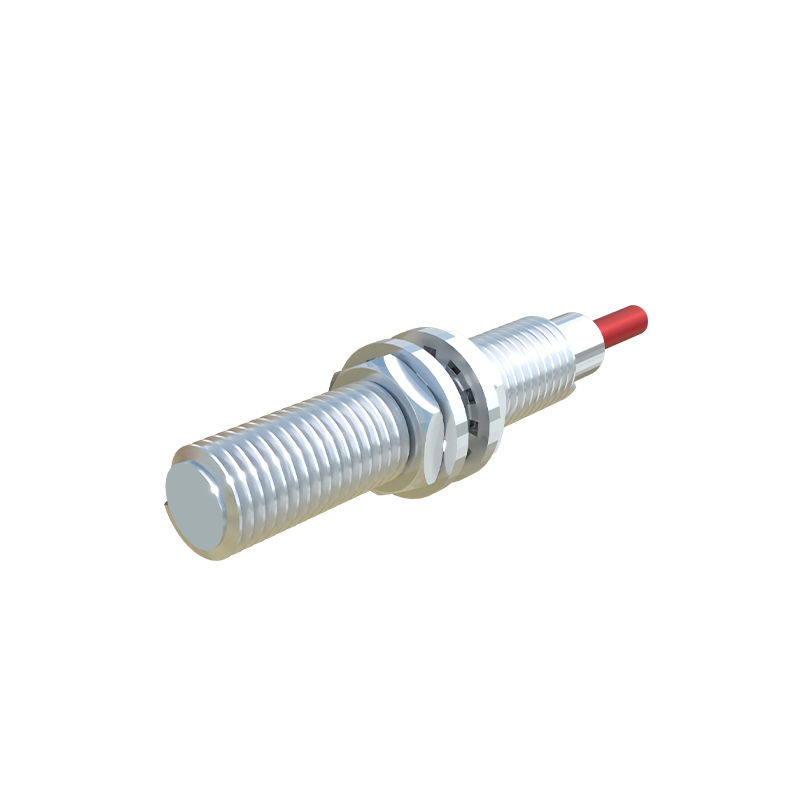
Key specifications define a magnetic proximity sensor's suitability for an application. Sensing distance, typically ranging from a few millimeters to several centimeters, is critical. This distance is often reduced when ferrous metal actuators are used instead of permanent magnets. Switching frequency indicates how quickly the sensor can respond to changing magnetic fields, which is vital for high-speed counting or positioning tasks. Output types are diverse: PNP (sourcing) and NPN (sinking) transistor outputs are standard for DC sensors, while AC/DC universal types often use relay or solid-state outputs. Protection ratings, denoted by IP (Ingress Protection) codes like IP67 or IP69K, certify the sensor's resilience against dust and water ingress, making them suitable for washdown areas in food and beverage or pharmaceutical plants.
The applications of magnetic proximity sensors are vast and critical. In material handling, they are used for position detection on linear actuators, cylinder piston position feedback (often with a magnet embedded in the piston), and end-of-travel limits on conveyors. In automotive manufacturing, they monitor robotic arm positions and verify part placement. They are indispensable in safety systems, such as detecting whether a protective guard door is securely closed on a machine. In the packaging industry, they count products or control filling levels. Their ability to function reliably where optical sensors would fail due to dirt or fog makes them the preferred choice in many heavy industrial settings, such as mining, forestry, and metal fabrication.
Selecting the right magnetic proximity sensor requires careful consideration of the operating environment, the required sensing distance, the type of actuator (magnet or ferrous metal), the electrical interface (voltage, output type), and the necessary housing material (often stainless steel, nickel-plated brass, or PBT plastic). Proper installation is equally important; sensors must be mounted securely to avoid vibration-induced failure, and the alignment between the sensor and the target magnet is crucial for consistent operation. Shielding from stray magnetic fields from motors or transformers may also be necessary to prevent false triggering.
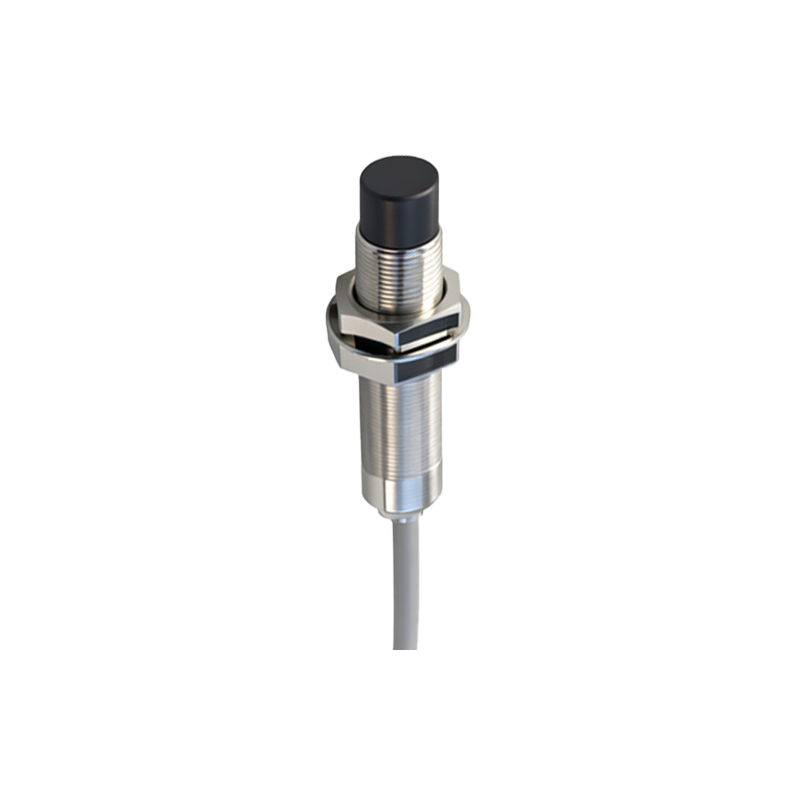
In summary, magnetic proximity sensors are robust, versatile, and essential devices for industrial sensing. Their non-contact nature, high reliability, and environmental toughness make them a cornerstone of automated systems, providing the critical feedback needed for precise control, safety, and operational efficiency. As industries continue to advance towards Industry 4.0 and the Industrial Internet of Things (IIoT), these sensors will remain integral, often incorporating advanced diagnostics and IO-Link communication for smarter, more connected factories.