In industrial automation, robotics, and outdoor applications, the demand for reliable sensing solutions continues to grow. Among these, waterproof proximity sensors have become critical components, designed to operate flawlessly in wet, dusty, or harsh environments where standard sensors would fail. Understanding the pricing structure of these sensors is essential for engineers, procurement specialists, and system integrators to make informed budgeting and sourcing decisions. The cost of a waterproof proximity sensor is not a single figure but a spectrum influenced by a confluence of technical, commercial, and application-specific factors.
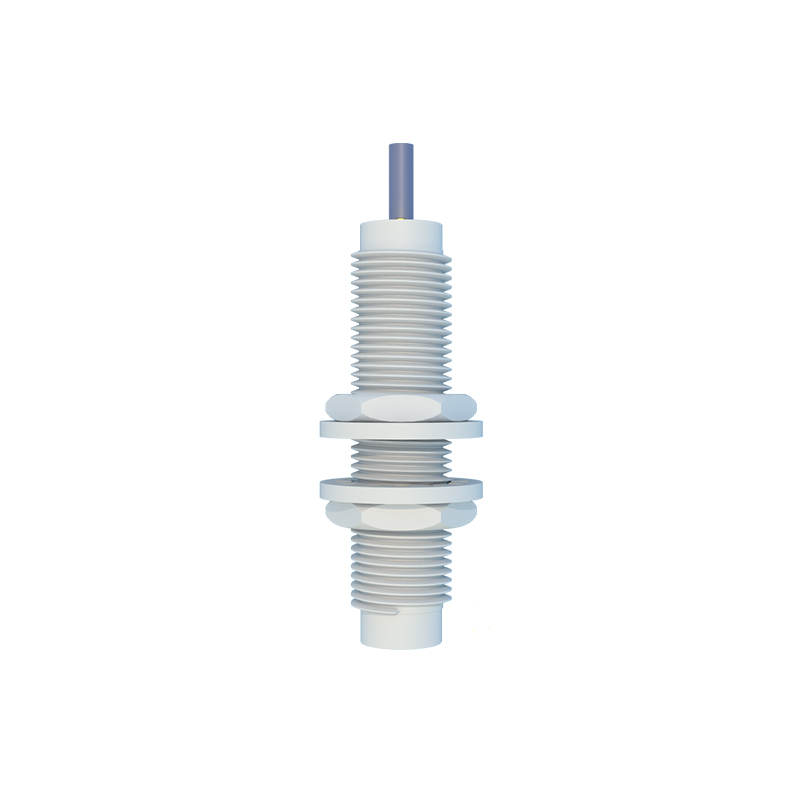
The core technology and sensing principle form the primary price determinant. Inductive proximity sensors, which detect metallic objects, are generally the most cost-effective for metal detection tasks. Prices for standard cylindrical inductive models with IP67 (submersible) ratings can start from as low as $20 to $50 per unit for basic variants in moderate quantities. Capacitive sensors, capable of detecting both metallic and non-metallic materials like liquids or plastics, typically command a 20% to 40% premium over their inductive counterparts due to their more complex circuitry. Ultrasonic sensors, offering longer detection ranges and being largely material-independent, represent a higher price bracket, often ranging from $80 to several hundred dollars, especially in robust, submersible housings.
The Ingress Protection (IP) rating is a direct cost driver. A sensor with IP67 certification (protected against temporary immersion) is a common standard. However, moving to IP68 (protected against prolonged immersion under pressure) or IP69K (protected against high-pressure, high-temperature jet washing) involves more rigorous sealing techniques, specialized materials like high-grade stainless steel (e.g., V4A/316L), and pressure-resistant cables or connectors. This escalation in durability can increase the unit price by 30% to 100% compared to a lower IP-rated model. The housing material itself is crucial; brass or nickel-plated brass is standard, but full stainless steel housings, necessary for corrosive environments (food & beverage, chemical processing), add significant cost.
Performance specifications directly correlate with price. Detection range is a key factor; a sensor with a 2mm range is less expensive than one with a 15mm or 30mm range, which requires more powerful electronics. Switching frequency, or how quickly the sensor can detect objects per second, also impacts cost. High-speed models for fast-moving production lines are more expensive. Output type plays a role: sensors with simple PNP or NPN transistor outputs are standard. Models featuring analog outputs (4-20mA, 0-10V), IO-Link digital communication for Industry 4.0 integration, or relay outputs will carry a higher price tag due to added functionality and intelligence.
Brand reputation and supply chain considerations are substantial commercial factors. Established global brands like Sick, Balluff, Pepperl+Fuchs, Omron, and IFM Electronic are associated with high reliability, extensive R&D, global certification, and strong technical support. This premium positioning reflects in their pricing, which can be 25-50% higher than equivalent sensors from reputable mid-tier or specialized manufacturers. However, this cost often includes value in the form of longer warranties, proven mean time between failures (MTBF), and readily available spare parts. Lead times also affect price; off-the-shelf standard models are cheapest, while customized sensors (special form factors, cables, sensing ranges) incur non-recurring engineering (NRE) costs and higher per-unit prices.
Purchasing volume remains a universal rule in industrial components. Unit prices for a single sensor purchased from a distributor are at their peak. Significant discounts apply for OEM volumes (hundreds or thousands of pieces), often negotiated directly with the manufacturer or through tier-1 distributors. Sourcing from regional distributors may offer faster delivery but at a slight premium compared to direct import, though the latter carries logistical and warranty risks.
For accurate budgeting in 2024, one must consider the total cost of ownership, not just the unit price. A cheaper sensor with a shorter lifespan or higher failure rate in a demanding application can lead to costly unplanned downtime, production losses, and replacement labor. Investing in a correctly specified, high-quality waterproof proximity sensor from a reliable supplier, even at a higher initial cost, typically yields a lower total cost and higher system reliability over its operational lifecycle. Always consult technical datasheets, verify environmental ratings against actual operating conditions, and engage with supplier application engineers to ensure the selected sensor provides the optimal balance of performance, durability, and value.