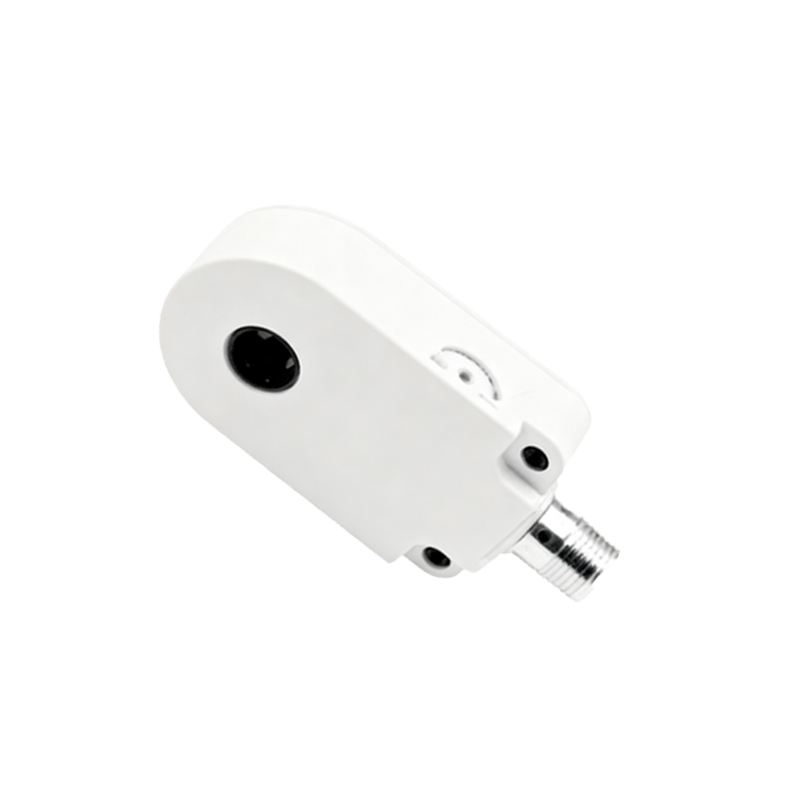
In the world of industrial automation, robotics, and smart devices, the proximity sensor is an unsung hero. These small but mighty components detect the presence or absence of nearby objects without physical contact, enabling countless automated processes. Whether you're an engineer designing a new assembly line, a hobbyist building a robot, or a maintenance professional replacing a faulty part, knowing where to buy reliable proximity sensors is crucial. The market is vast, ranging from global electronics distributors to specialized industrial suppliers, and the "best" place depends entirely on your specific needs for quality, quantity, support, and delivery.
For most professional and industrial applications, established global distributors are the first port of call. Companies like Digi-Key, Mouser, and RS Components offer immense online catalogs featuring thousands of proximity sensor models from hundreds of manufacturers, including giants like Omron, Schneider Electric, Sick, and Pepperl+Fuchs. Their primary advantage is selection and availability. You can compare specifications, download datasheets, and often access detailed technical resources all in one place. These distributors typically cater well to both low-volume prototype purchases and medium-volume production runs. They provide reliable shipping, standardized packaging, and traceable components, which is vital for maintaining quality standards in manufacturing. However, pricing on these platforms may not be the most competitive for very high-volume orders, and while their technical support is good, it may not be as deep as going directly to a manufacturer's specialized sales channel.
For large-scale OEM (Original Equipment Manufacturer) projects or when integrating sensors into a mass-produced product, purchasing directly from the manufacturer or their authorized industrial distributors is often the optimal path. Building a relationship with a local representative from companies like Banner Engineering, Turck, or ifm electronic can yield significant benefits. You gain access to direct application engineering support, where experts can help you select the perfect sensor for a challenging environment—be it extreme temperatures, washdown conditions, or specific sensing ranges. Furthermore, this route allows for negotiation on pricing for bulk purchases, customization of sensor parameters or cabling, and securing a stable, long-term supply chain. The process might be less instant than clicking "add to cart," but for critical applications, the dedicated support and potential for customization are invaluable.
The rise of e-commerce platforms has also created new avenues. Amazon Business and eBay host numerous sellers offering proximity sensors. This can be a source for very common, generic models at potentially lower costs and with fast shipping, especially for one-off replacements or hobbyist projects. However, caution is paramount. The risk of receiving counterfeit, refurbished, or sub-spec components is higher. Always check seller ratings and reviews meticulously. For any application where sensor failure could cause safety issues, production downtime, or product malfunctions, the risk associated with unauthorized sellers on these platforms often outweighs the cost savings. Authenticity and reliability should never be compromised.
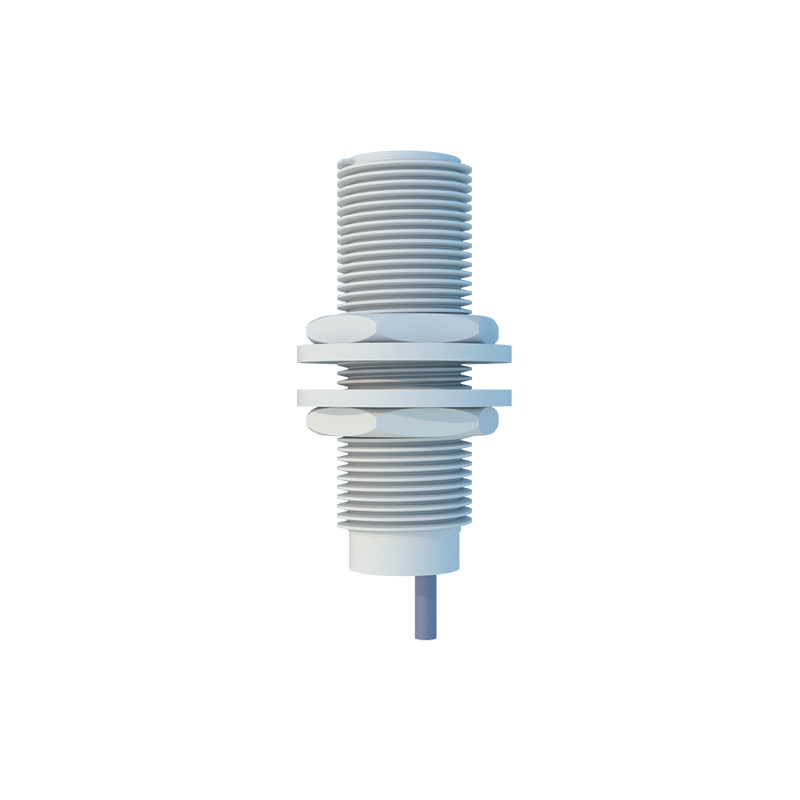
Beyond the "where," the "how" to buy wisely is just as important. Before making a purchase, clearly define your requirements: sensing range (short, medium, long), output type (NPN, PNP, analog, IO-Link), physical size and housing material (e.g., stainless steel for harsh environments), connection type (pre-wired, quick-disconnect), and required certifications (IP rating, food-grade, etc.). Always consult the official datasheet. When evaluating a supplier, consider their technical documentation availability, return policies, lead times for out-of-stock items, and customer service responsiveness. A good supplier will ask questions about your application to ensure you get the right part.
In conclusion, there is no single "best" place to buy proximity sensors. For broad selection, reliable service, and low-to-medium volumes, global electronic distributors are excellent. For high-volume, customized, or technically demanding applications, engaging with manufacturers or their specialized industrial distributors is the superior strategy. For casual or non-critical needs, general e-commerce platforms can work, but require diligent vetting. Ultimately, the smartest purchase balances cost with confidence—prioritizing reputable sources that provide the technical data, support, and authenticity guarantees necessary for your project's success. Investing time in selecting the right supplier is as critical as selecting the right sensor itself.