In the realm of industrial automation, consumer electronics, and automotive systems, the demand for unwavering reliability is paramount. Among the myriad of components ensuring seamless operation, proximity sensors stand out for their critical role in non-contact detection. Their stability is not merely a desirable feature but the foundational pillar upon which entire systems depend. This stability refers to the sensor's consistent performance over time, under varying environmental conditions, and across countless operational cycles, without drift or degradation in accuracy.
The quest for stability in proximity sensors is driven by the high-stakes environments they inhabit. On a fast-moving assembly line, a sensor that intermittently fails to detect a component can cause catastrophic production halts, leading to significant financial loss. In automotive safety systems, such as those detecting an occupant for airbag deployment, instability is not an option. Similarly, in consumer devices like smartphones, where sensors manage screen on/off functions, users expect flawless, intuitive interaction every single time.
Several core technologies underpin this essential stability. Inductive proximity sensors, renowned for detecting metallic objects, achieve reliability through robust coil designs and advanced oscillation circuits that compensate for temperature fluctuations and electromagnetic interference. Capacitive sensors, used for detecting both metallic and non-metallic materials, employ sophisticated shielding techniques and algorithm-driven sensitivity adjustments to maintain consistent performance despite changes in humidity or the presence of contaminants. Even photoelectric sensors, which use light beams, incorporate elements like temperature-compensated LEDs and high-quality optical components to ensure the emitted and received light signals remain stable over the sensor's lifespan.
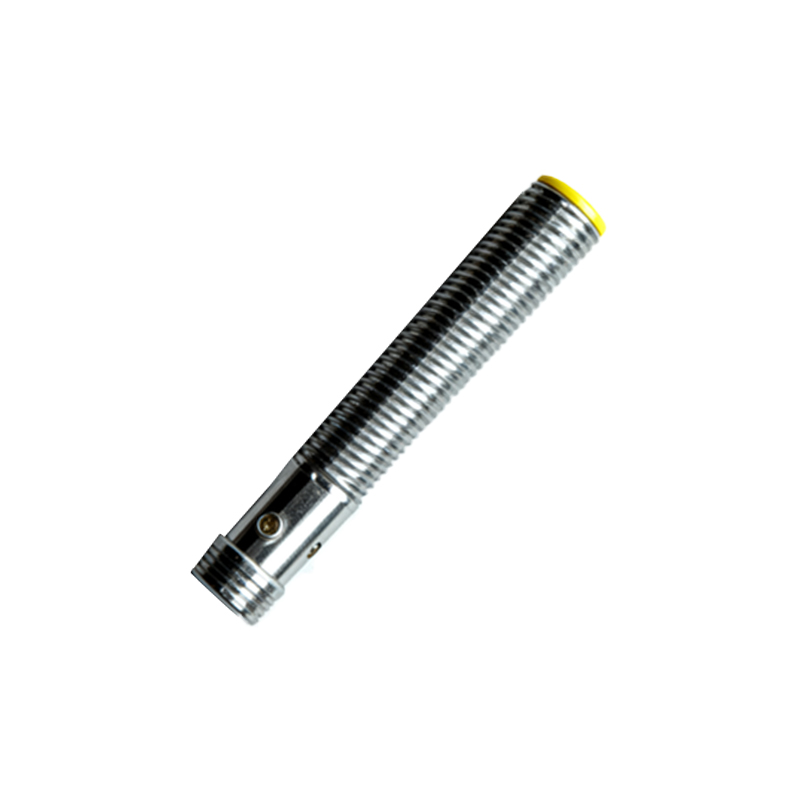
Environmental resilience is a direct measure of stability. High-quality proximity sensors are engineered to perform consistently across a wide temperature range, from freezing cold to intense heat. They are built with enclosures rated for specific Ingress Protection (IP) standards, safeguarding internal electronics from dust, oils, and water jets. This mechanical and environmental fortification prevents the internal drift of electrical characteristics, a common precursor to instability. Vibration resistance is equally critical, especially in automotive or heavy machinery applications, where constant shaking could loosen components or misalign optical elements in lesser designs.
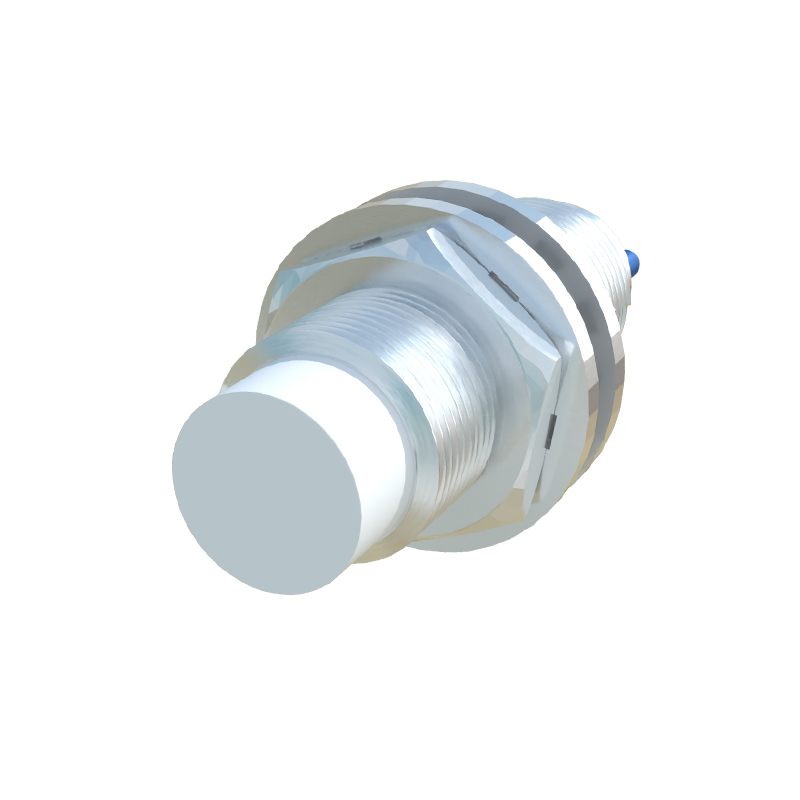
Electrical design plays an equally vital role. Stable power supply conditioning circuits within the sensor filter out noise from the main line, preventing false triggers. Output stages are designed to handle inrush currents and inductive loads without stress. Furthermore, modern sensors integrate microprocessors that run continuous self-diagnostics, monitoring their own health and performance parameters. This "intelligence" allows for predictive maintenance alerts, signaling potential issues before they lead to a failure, thereby upholding system stability proactively.
The true test of sensor stability is longevity under real-world operating conditions. It is defined by a mean time between failures (MTBF) spanning tens of thousands, even hundreds of thousands, of hours. Manufacturers achieve this through rigorous testing protocols, including accelerated life testing, where sensors are subjected to extreme stress cycles far beyond normal use to predict their long-term behavior. Component selection is meticulous, using industrial-grade semiconductors, precision-wound coils, and durable housing materials that resist corrosion and wear.
Ultimately, the stability of a proximity sensor translates into trust. Engineers design systems with the assumption that these sensors will perform their silent, unseen duty without fail. This reliability reduces downtime, lowers maintenance costs, enhances safety, and ensures product quality. As industries move towards greater interconnectivity and the Internet of Things (IoT), the role of the stable proximity sensor becomes even more central. It provides the dependable physical-world data upon which smart decisions and automated actions are built. Therefore, selecting a sensor based on its proven stability specifications—its environmental ratings, its MTBF data, and the robustness of its underlying technology—is not a technical detail, but a strategic decision for ensuring operational excellence and resilience in any automated application.