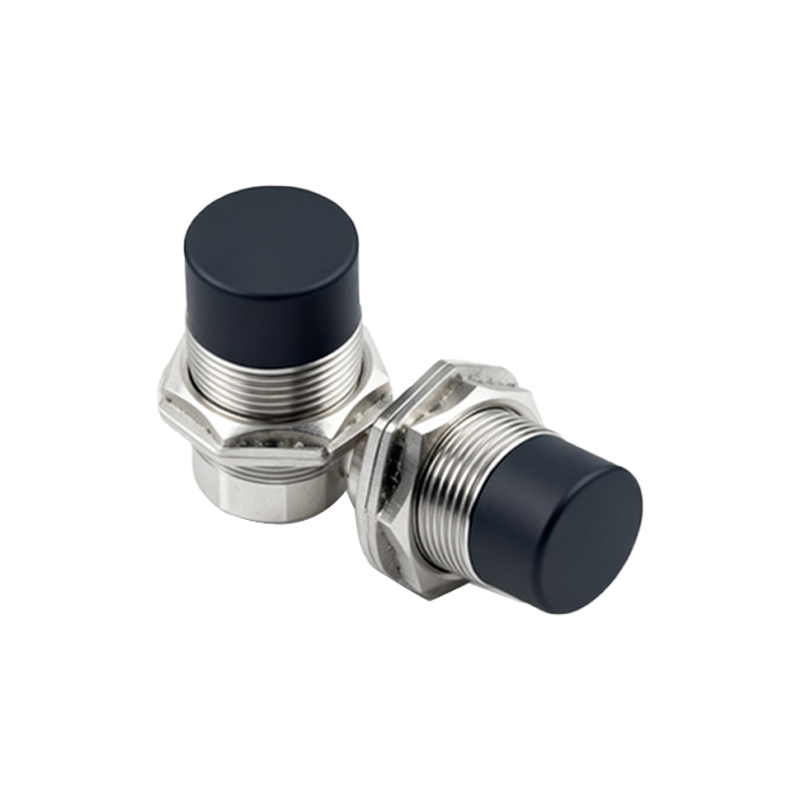
In the realm of industrial automation and advanced machinery, proximity sensors are indispensable components for non-contact detection, ensuring precision, safety, and efficiency. Among various configurations, systems utilizing 12 proximity sensors are common in complex setups. This article explores typical applications and locations where 12 such sensors are deployed, adhering to industry standards and practices.
One primary application is in automated assembly lines, particularly in automotive manufacturing. Here, 12 proximity sensors are often strategically placed along a conveyor system. For instance, six sensors might be installed to detect the presence of chassis components at different stations—such as near welding robots or painting arms—ensuring each part is correctly positioned before operations commence. The remaining six could monitor robotic tool changers or safety gates, preventing collisions and unauthorized access. These sensors, usually inductive or capacitive types, operate reliably in harsh environments with metal debris or oil mist.
Another key area is packaging machinery, where high-speed operations demand accurate object counting and positioning. In a bottling plant, 12 proximity sensors might be integrated into a filling and capping machine. Four sensors could track bottle entry on the inlet starwheel, two might verify cap placement, four more monitor filling levels by detecting piston movements, and the final two ensure sealed bottles exit correctly onto labeling units. This configuration minimizes downtime and reduces waste by providing real-time feedback to programmable logic controllers (PLCs).
Material handling systems, such as palletizers or sorting conveyors, also frequently employ 12 proximity sensors. In a warehouse automation setup, sensors are mounted at critical points: three at infeed zones to detect package dimensions, four along diverters to guide items to correct lanes, three at lift mechanisms to confirm height alignment, and two at outfeed points for load verification. These sensors enhance throughput by enabling seamless coordination between motors, actuators, and control systems.
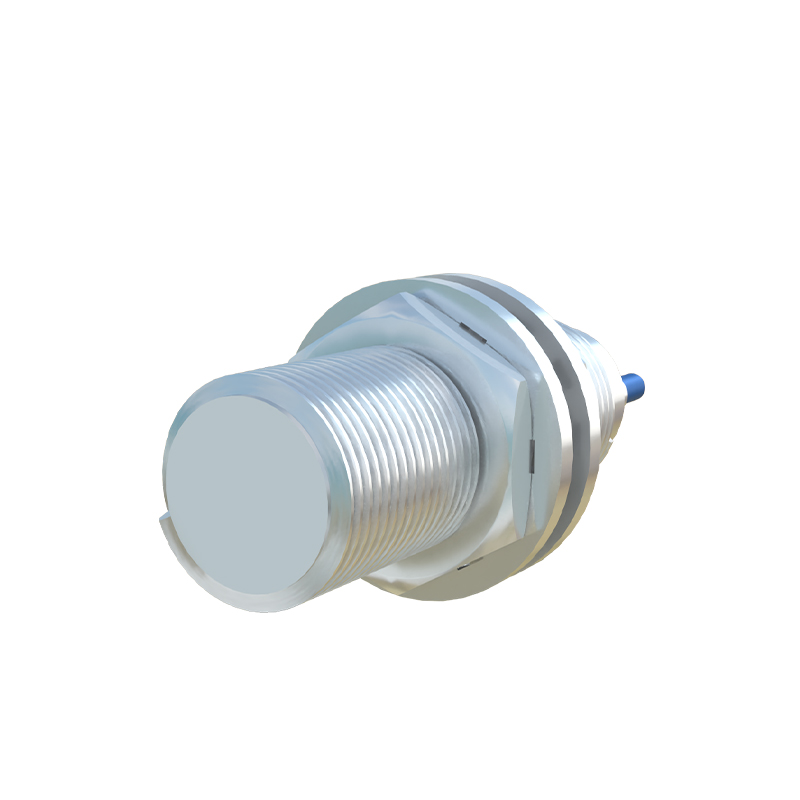
Robotic cells, especially in welding or machining applications, rely on multiple proximity sensors for safety and precision. A robotic workcell might use 12 sensors—six embedded in the robot arm to detect joint limits or tool engagement, and six around the perimeter as part of a safety curtain to halt operations if a human enters a restricted zone. This dual function protects equipment and personnel while maintaining cycle times.
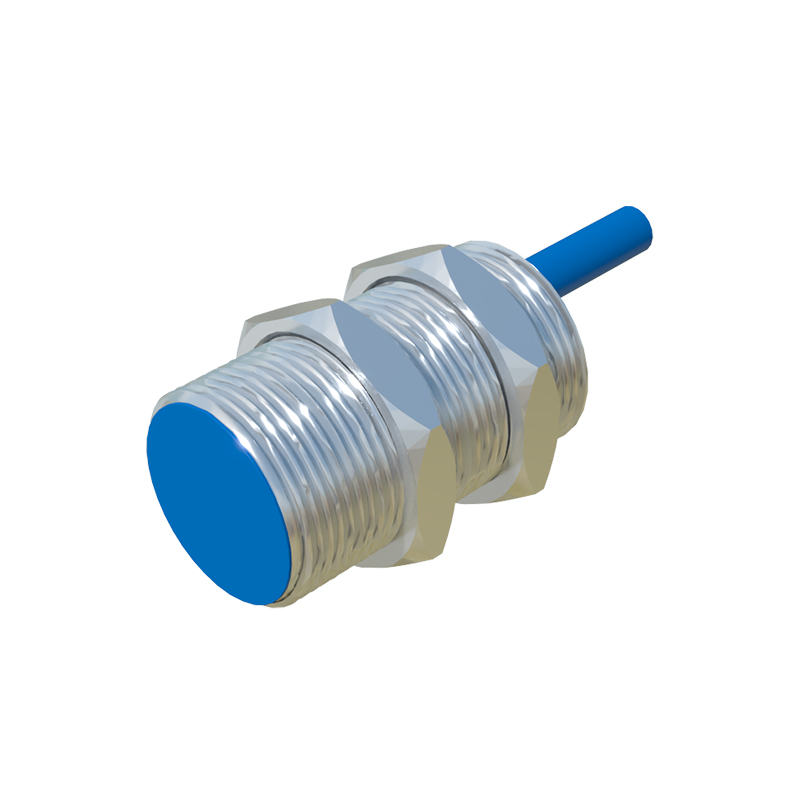
In CNC machines, 12 proximity sensors are commonly found monitoring tool turrets, spindle positions, and door interlocks. For example, four sensors might verify tool presence in a carousel, four check slideway limits to prevent over-travel, two confirm chuck clamping, and two ensure coolant cover closure. This network prevents machining errors and reduces wear on expensive components.
Lastly, energy sector equipment, like turbine control systems, utilizes 12 proximity sensors for vibration monitoring and valve positioning. In a gas turbine, sensors are placed near compressor blades, fuel nozzles, and exhaust ducts to detect anomalies or confirm actuator states, enabling predictive maintenance and operational stability.
Overall, the deployment of 12 proximity sensors spans diverse industries, from manufacturing to logistics, always aimed at enhancing automation, safety, and reliability. Their locations are carefully chosen based on factors like detection range, environmental resistance, and integration with control architectures, underscoring their vital role in modern industrial ecosystems.