In the realm of industrial automation and electrical engineering, proximity switch sensors are indispensable components for non-contact detection of metallic objects. While much attention is given to the sensor's sensing range, output types, and housing materials, one critical yet often overlooked hardware element is the copper nut. This article delves into the technical specifications, selection criteria, and practical applications of copper nuts specifically designed for proximity switch installations, providing engineers with essential insights for reliable system integration.
Copper nuts, typically made from brass or other copper alloys, serve as the threaded fastening solution for mounting proximity switches into enclosures, panels, or machinery. Unlike standard steel nuts, copper nuts offer distinct advantages in electrical and corrosive environments. Their primary function is to secure the sensor body via its threaded barrel, ensuring a stable mechanical connection while maintaining electrical continuity in grounded systems. The choice of copper alloy—common grades include C36000 (free-machining brass) and C26000 (cartridge brass)—impacts performance factors such as conductivity, corrosion resistance, and machinability.
From an electrical perspective, copper nuts enhance grounding integrity. In many industrial setups, proximity switches require proper grounding to shield against electromagnetic interference (EMI) and ensure signal accuracy. Copper's high electrical conductivity (approximately 60% IACS for brass alloys) facilitates efficient grounding paths when used with conductive mounting surfaces. This is particularly vital in high-frequency switching applications or environments with substantial electrical noise, such as near motor drives or welding equipment. Engineers should verify that the nut's material aligns with the sensor's grounding specifications to prevent false triggering or signal degradation.
Corrosion resistance is another key consideration. Industrial settings often expose hardware to moisture, chemicals, or atmospheric pollutants. Copper alloys naturally resist corrosion better than many ferrous materials, reducing the risk of seizing or thread degradation over time. For harsh conditions—like marine or chemical processing plants—nuts with additional plating (e.g., nickel or tin) may be specified. However, pure or alloyed copper nuts generally suffice for most indoor or controlled environments, offering a balance between durability and cost.
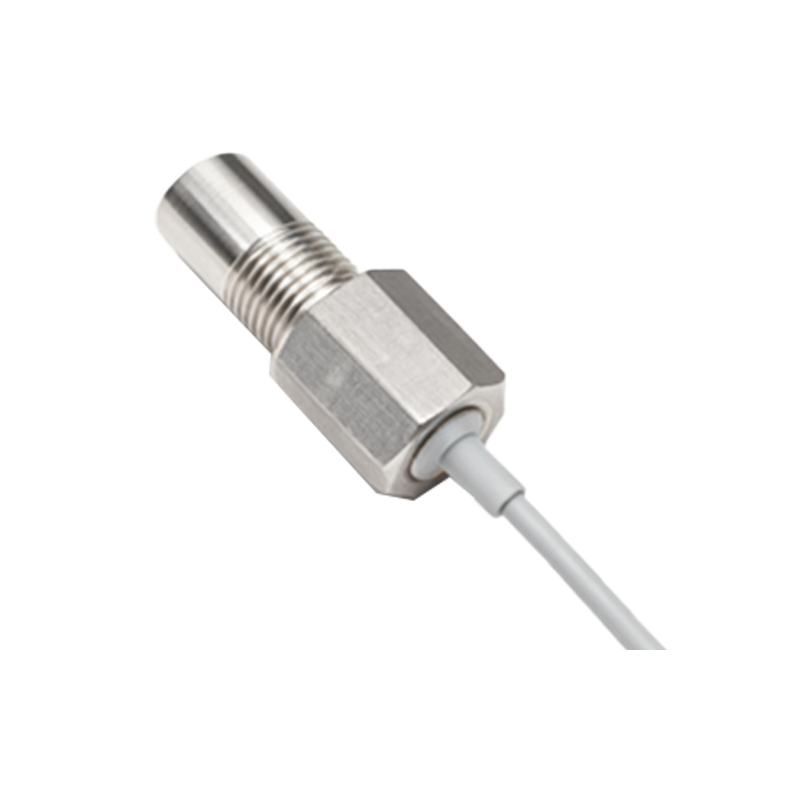
When selecting copper nuts for proximity switches, engineers must evaluate thread compatibility. Most proximity switches feature standard metric (M8, M12, M18, M30) or NPT threads. The nut's thread pitch and diameter must match the sensor's threading precisely to avoid cross-threading or insecure mounting. Additionally, dimensional factors like nut height and wrench flats should accommodate the installation space and tool access. For instance, slim-profile nuts are preferable in tight panels, while hexagonal nuts allow for standard wrench tightening. Torque specifications are equally critical; over-tightening can damage the sensor's housing or threads, whereas under-tightening may lead to vibration-induced loosening. Manufacturers typically provide recommended torque values—often between 5 Nm to 20 Nm depending on size—which should be adhered to using calibrated tools.
In practice, copper nuts are integral to vibration-resistant installations. Proximity sensors in dynamic machinery, such as conveyors or robotic arms, experience constant motion. Copper's malleability allows for slight deformation under stress, which can help maintain thread engagement without cracking. For high-vibration zones, engineers might pair copper nuts with locking mechanisms (e.g., nylon inserts or prevailing torque designs) to prevent unintended rotation. It's also advisable to conduct periodic maintenance checks, as thermal cycling or mechanical loads can gradually loosen fasteners.
Beyond functionality, copper nuts contribute to system longevity and safety. Their non-magnetic properties prevent interference with the sensor's magnetic field in inductive proximity switches, ensuring consistent detection ranges. In explosive atmospheres (ATEX/IECEx zones), proper mounting with certified copper nuts helps maintain enclosure integrity, preventing sparks that could arise from loose ferrous components. Furthermore, copper's recyclability aligns with sustainable engineering practices, reducing environmental impact over the product lifecycle.
To optimize selection, engineers should consult both sensor manufacturers and nut suppliers. Data sheets often specify compatible accessories, including nut material grades. Field testing under actual operating conditions—temperature extremes, humidity, load cycles—can validate suitability. As Industry 4.0 advances, with increased adoption of IIoT-enabled sensors, reliable hardware like copper nuts remains a foundational element for ensuring data accuracy and operational uptime.
In summary, while small in size, copper nuts play a pivotal role in the performance and reliability of proximity switch sensors. By prioritizing material properties, thread compatibility, and environmental factors, electrical engineers can enhance system stability, reduce maintenance costs, and uphold safety standards across industrial applications.