Laser sensors are indispensable tools in modern industrial automation, offering high precision, reliability, and versatility for tasks such as distance measurement, object detection, and quality control. To select and optimize a laser sensor for a specific application, engineers must thoroughly understand its key parameters. This article delves into the essential specifications that define laser sensor performance, providing insights for effective implementation in industrial environments.
One of the primary parameters is measurement range, which indicates the minimum and maximum distances over which the sensor can accurately operate. This range is critical for ensuring the sensor fits the spatial constraints of the application. For instance, in warehouse automation, sensors with long ranges monitor inventory levels, while short-range sensors guide robotic arms in assembly lines. Closely related is resolution, the smallest change in distance the sensor can detect. High-resolution sensors are vital for precision tasks like semiconductor inspection, where minute variations impact product quality.
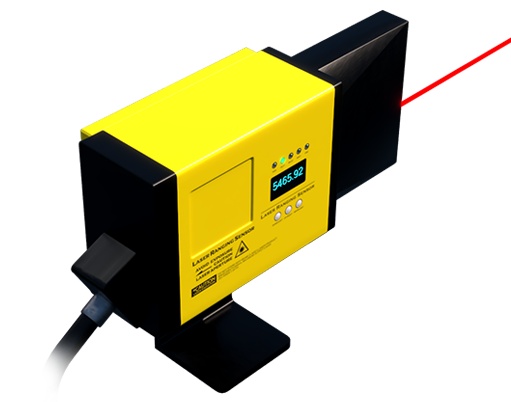
Accuracy and repeatability are often confused but distinct metrics. Accuracy refers to how close the sensor's readings are to the true value, influenced by factors like environmental conditions and calibration. Repeatability measures the consistency of readings under unchanged conditions. In automotive manufacturing, for example, laser sensors with high repeatability ensure uniform weld seam tracking, even if absolute accuracy has minor deviations. Engineers should prioritize repeatability for repetitive processes and accuracy for absolute measurement needs.
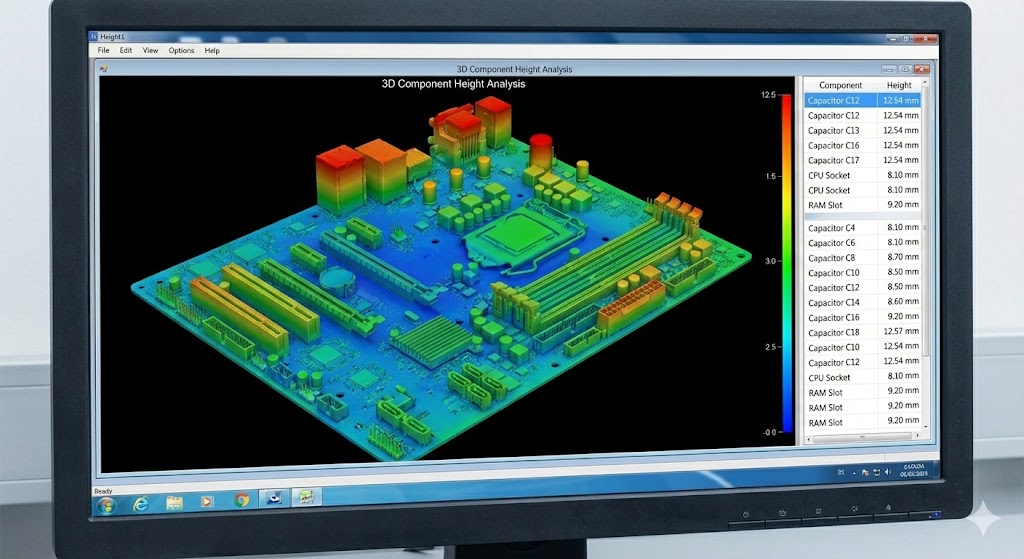
The response time or sampling rate determines how quickly the sensor captures and outputs data. Fast response times are crucial for high-speed applications, such as sorting systems on conveyor belts, where delays can cause bottlenecks. A sensor with a 1 ms response time can handle rapid object movements, whereas slower sensors may miss critical events. Additionally, laser spot size affects measurement precision. A smaller spot enables focused measurements on tiny features, but may require precise alignment, while a larger spot averages over surfaces, useful for rough texture analysis.
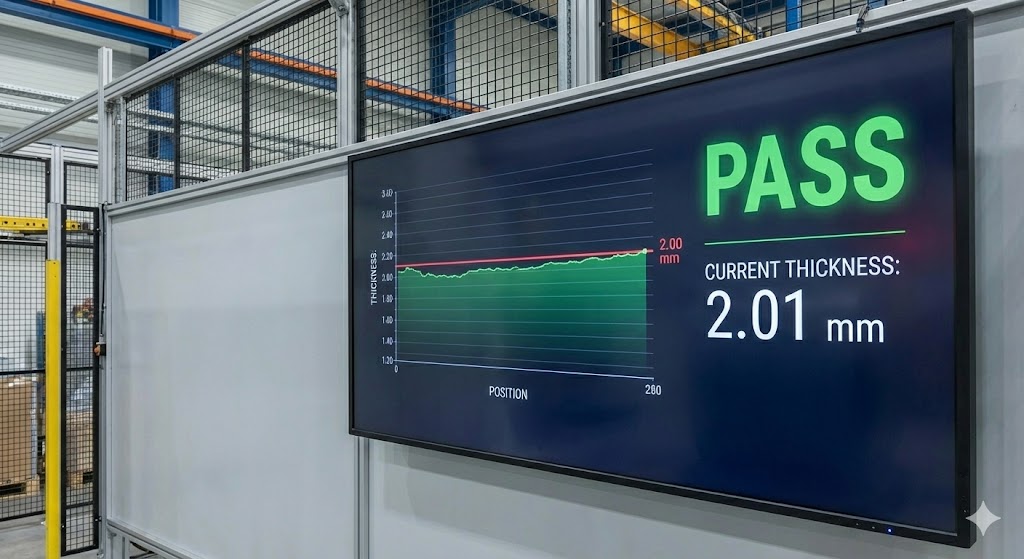
Environmental robustness is encapsulated in parameters like operating temperature, IP rating (Ingress Protection), and resistance to ambient light. Industrial settings often involve temperature fluctuations, dust, moisture, or bright lighting. Sensors with wide temperature ranges (e.g., -10°C to 50°C) and high IP ratings (e.g., IP67 for dust and water resistance) ensure longevity in harsh conditions. For outdoor use, models with ambient light immunity prevent interference from sunlight or artificial sources.
Output interfaces facilitate integration with control systems. Common options include analog outputs (e.g., 4-20 mA or 0-10 V for continuous distance signals), digital outputs (e.g., switching signals for object detection), and serial communications (e.g., RS-485 or Ethernet for data-rich applications). Choosing the right interface depends on the PLC or data acquisition system in use. Moreover, power supply requirements (typically 12-24 V DC) must match the available infrastructure to avoid operational issues.
Advanced features like teach-in functionality allow easy calibration by setting reference points, while programmable logic enables custom response behaviors. In packaging lines, sensors with teach-in capabilities adapt quickly to different box sizes, reducing downtime. It's also important to consider housing material (e.g., stainless steel for corrosive environments) and mounting options for mechanical stability.
In summary, selecting a laser sensor involves balancing these parameters based on application demands. A thorough evaluation of measurement range, resolution, accuracy, response time, environmental ratings, and output options ensures optimal performance. As industries evolve toward smarter automation, understanding these specifications empowers engineers to leverage laser technology effectively, enhancing efficiency and precision in diverse operational contexts. Regular consultation with datasheets and manufacturer guidelines is recommended for tailored solutions.