In the rapidly evolving landscape of industrial automation, consumer electronics, and robotics, precise and reliable distance measurement is a fundamental requirement. Among the various sensing technologies available, Time-of-Flight (ToF) proximity sensors have emerged as a powerful and versatile solution. This article delves into the operational principles, key advantages, diverse applications, and critical selection factors for ToF sensors, providing a comprehensive guide for engineers and system integrators.
At its core, a ToF sensor measures the distance between the sensor and a target object by calculating the time it takes for a light signal to travel to the object and back. The sensor emits a modulated light signal, typically from a laser diode or a vertical-cavity surface-emitting laser (VCSEL) in the infrared spectrum. This light pulse reflects off the target and returns to a photosensitive receiver, often a single-photon avalanche diode (SPAD) array or a specialized CMOS sensor. An internal clock measures the elapsed time (Δt) with extreme precision. Since the speed of light (c) is a known constant, the distance (d) can be calculated using the simple formula: d = (c Δt) / 2. Modern ToF sensors utilize advanced modulation techniques, such as continuous-wave (CW) modulation, where the phase shift of the reflected signal is measured, offering higher accuracy and robustness against ambient light interference.
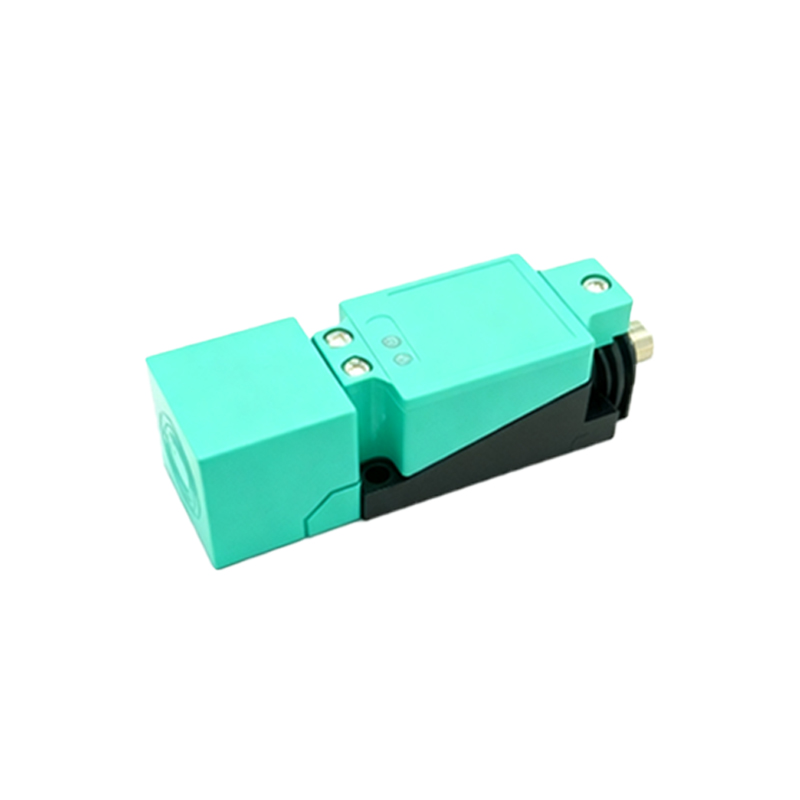
The advantages of ToF technology over traditional sensing methods like ultrasonic, inductive, or capacitive sensors are significant. Firstly, ToF sensors provide high accuracy and resolution over considerable ranges, from a few centimeters to several meters, depending on the model and optical power. They offer fast response times, enabling real-time object detection and tracking, which is crucial for dynamic applications. Unlike simple infrared proximity sensors that only detect presence, ToF sensors deliver precise distance data (1D, 2D, or even 3D depth maps). They are largely immune to the color, texture, or material of the target object, as they rely on the time of flight rather than the intensity of the reflected light, though highly reflective or absorbent surfaces can pose challenges. Furthermore, their solid-state design ensures long-term reliability with no moving parts.
The application spectrum for ToF proximity sensors is remarkably broad. In industrial automation, they are used for precise object positioning, bin picking, conveyor belt monitoring, and robotic collision avoidance. The automotive industry integrates ToF sensors for in-cabin monitoring (occupant detection, gesture control), automatic door operation, and low-speed parking assistance. Consumer electronics represent a massive market, with ToF sensors enabling features like automatic display wake/sleep on laptops and tablets, camera autofocus enhancement, and gesture interfaces in smartphones and smart home devices. In robotics and drones, they are essential for navigation, obstacle detection, and terrain mapping. Emerging applications also include people counting, logistics volume measurement, and interactive digital signage.
Selecting the right ToF sensor for a specific application requires careful consideration of several parameters. The primary specification is the measuring range, which must match the operational distance. Accuracy and resolution determine the smallest detectable distance change. The field of view (FoV) defines the angular cone of detection; a narrow FoV is good for precise spot measurement, while a wide FoV is better for area monitoring. Update rate or frame rate (for matrix sensors) is critical for high-speed applications. Environmental factors such as ambient light immunity (often specified by lux tolerance), operating temperature, and IP rating for dust/water resistance must be evaluated. The output interface (e.g., I2C, UART, USB, analog) should be compatible with the host system. Finally, the physical form factor, power consumption, and overall system cost are always key decision drivers.
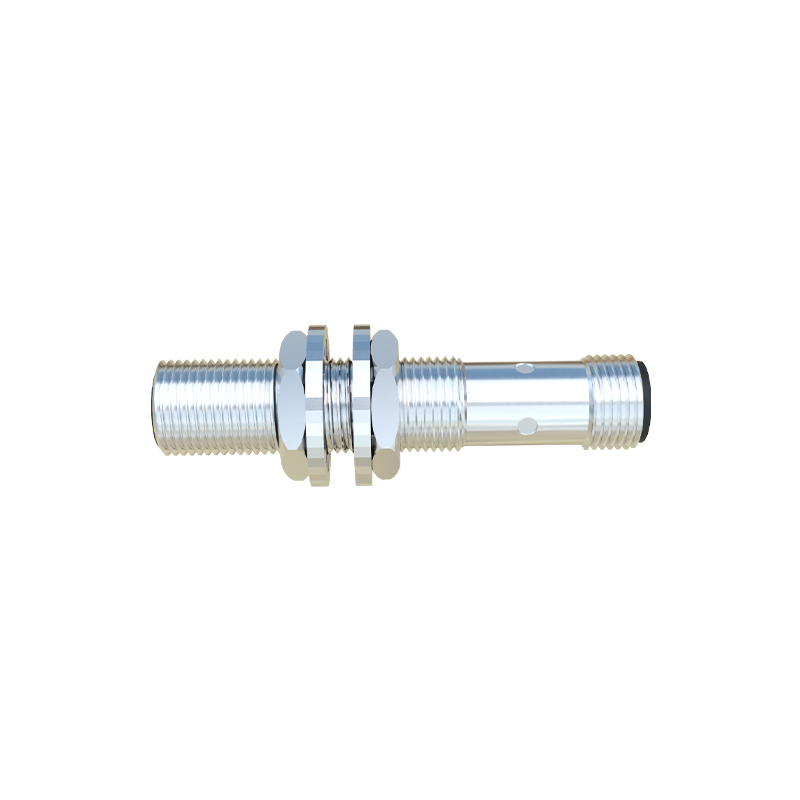
Integration challenges typically involve optical design (lens selection, aperture), managing interference from other light sources, and calibrating the sensor for optimal performance. Software development kits (SDKs) provided by manufacturers are invaluable for data processing, filtering noise, and converting raw time measurements into stable distance readings.
In conclusion, Time-of-Flight proximity sensors offer a compelling blend of precision, speed, and versatility. As the technology continues to advance, with improvements in miniaturization, power efficiency, and cost, its adoption is set to expand further. For engineers designing the next generation of intelligent systems, a deep understanding of ToF principles and a methodical approach to sensor selection are indispensable for unlocking their full potential and driving innovation across countless industries.