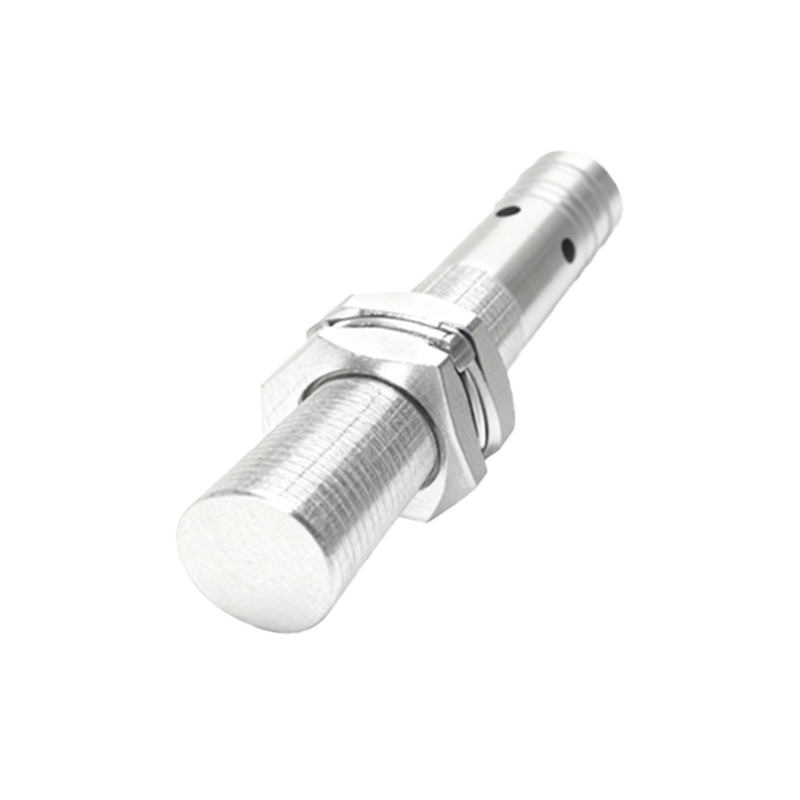
In today's rapidly evolving technological landscape, proximity sensors have become indispensable components across a vast array of industries. Their ability to detect the presence or absence of an object within a specific range without physical contact offers a multitude of operational and strategic benefits. This non-contact detection principle is the cornerstone of their widespread adoption, enabling solutions that are more reliable, efficient, and cost-effective compared to traditional mechanical methods.
One of the most significant advantages of proximity sensors is their exceptional reliability and longevity. Since there is no physical contact between the sensor and the target object, mechanical wear and tear are virtually eliminated. This leads to a dramatically extended operational lifespan and reduced maintenance requirements. In industrial automation, for instance, proximity sensors on production lines can operate for millions of cycles without degradation, ensuring consistent performance and minimizing costly downtime. This durability translates directly into lower total cost of ownership over the sensor's lifetime.
Furthermore, proximity sensors enable high-speed operation and precise detection. They can detect objects at very fast rates, making them ideal for high-throughput applications like packaging, sorting, and assembly lines. Their response time is typically in the microsecond or millisecond range, far surpassing the capabilities of mechanical limit switches. This speed, combined with high repeat accuracy, allows for tighter process control, improved product quality, and increased production efficiency. Whether it's counting bottles on a conveyor or verifying the position of a robotic arm, proximity sensors provide the swift and accurate feedback necessary for modern, high-precision manufacturing.

The versatility of proximity sensors is another key strength. Available in various types—such as inductive (for metals), capacitive (for both metals and non-metals), ultrasonic, and photoelectric—they can be tailored to specific environmental conditions and material requirements. Inductive sensors excel in harsh industrial environments with dust, oil, or moisture, as their sensing face can be embedded and sealed. Capacitive sensors can detect liquids, plastics, and granular materials through non-metallic containers. This adaptability allows engineers to select the optimal sensor for virtually any application, from detecting a liquid level in a tank to ensuring a smartphone screen turns off when held to the ear.
Enhanced safety is a paramount advantage, particularly in industrial and automotive contexts. By providing non-contact detection, these sensors help create safer working environments. They can be used as part of safety interlock systems to ensure machine guards are in place before equipment starts, or to detect the presence of personnel in hazardous zones. In the automotive sector, proximity sensors are crucial for parking assistance systems, alerting drivers to obstacles and preventing collisions. This non-invasive sensing directly contributes to accident prevention and operational safety.
Energy efficiency and design flexibility are also notable benefits. Many modern proximity sensors consume very little power, which is critical for battery-operated devices like smartphones, tablets, and IoT gadgets. The ability to detect a hand or face near the device allows for features like automatic screen dimming or turning off, conserving battery life. Their compact size and variety of form factors allow for integration into space-constrained designs without compromising functionality, enabling sleek and innovative product designs.
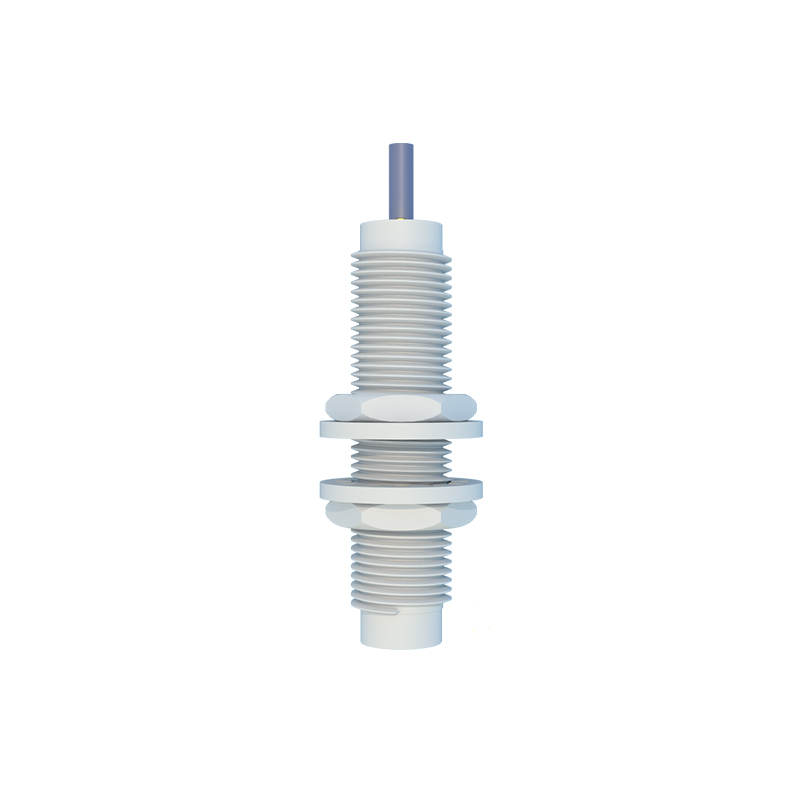
Finally, the integration of proximity sensors with digital networks and the Industrial Internet of Things (IIoT) is driving smarter operations. Modern sensors can provide not just a simple on/off signal but also diagnostic data about their own health and performance. This facilitates predictive maintenance, where potential issues are identified before they cause failure, and allows for centralized monitoring and control of complex systems. This data-driven capability transforms simple detection into intelligent insight, optimizing entire processes.
In conclusion, the application advantages of proximity sensors—encompassing reliability, speed, versatility, safety, efficiency, and intelligence—make them fundamental to modern engineering and design. Their non-contact principle solves numerous challenges that mechanical switches cannot, paving the way for more automated, safe, and efficient systems across manufacturing, consumer electronics, automotive, and beyond.