In the realm of industrial automation and machine safety, proximity sensors are indispensable components. Among the various types available, the 16PM series of inductive proximity sensors has established itself as a reliable and versatile solution for countless detection tasks. This article delves into the technical specifications, operational principles, and key application areas of the 16PM proximity sensor, providing a detailed guide for engineers and technicians.
The 16PM typically refers to a family of cylindrical, inductive proximity sensors. Their core function is to detect the presence or absence of metallic objects without any physical contact. This non-contact operation is a significant advantage, leading to virtually no wear and tear, high operational reliability, and long service life. The operating principle is based on electromagnetic induction. The sensor's active face contains an oscillator coil that generates a high-frequency electromagnetic field. When a metallic object enters this detection field, eddy currents are induced in the target. This causes a change in the oscillation amplitude within the sensor, which is then processed by an internal circuit to trigger a solid-state switching output (typically PNP or NPN).
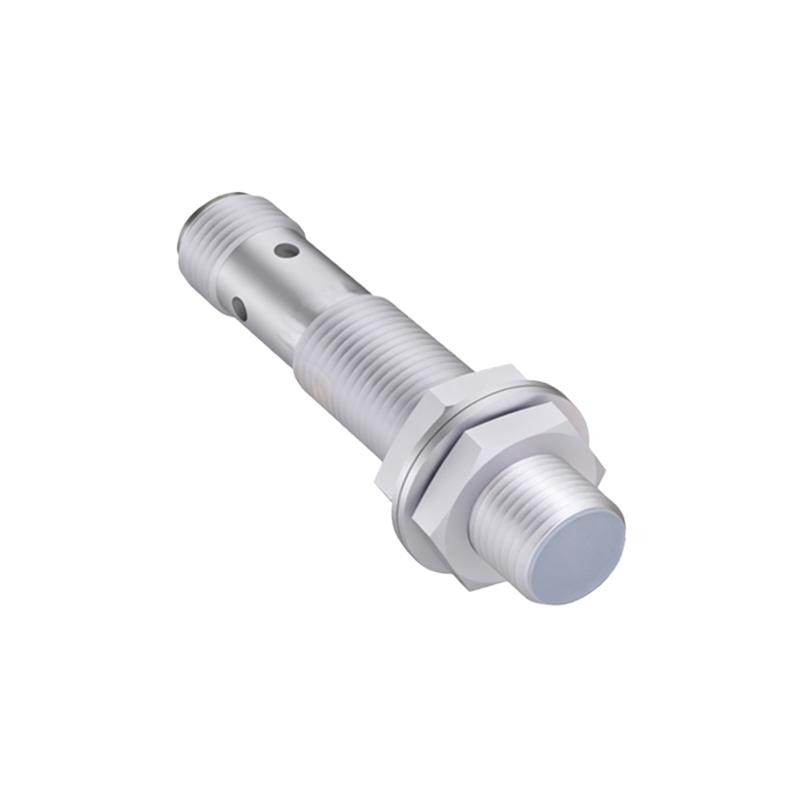
Key specifications define the performance of a 16PM sensor. The housing is usually made of nickel-plated brass or stainless steel, offering robust protection, often rated at IP67, making it resistant to dust and temporary immersion. The standard sensing distance for these 18mm diameter sensors is often 5mm or 8mm, calibrated for mild steel. It is crucial to note that the sensing range varies with different metals; for instance, it reduces for stainless steel and non-ferrous metals like aluminum or copper. The output configuration is a critical selection parameter. Many 16PM models feature a 3-wire DC design with complementary PNP (sourcing) and NPN (sinking) outputs, allowing compatibility with a wide range of programmable logic controllers (PLCs) and control systems. Some variants also include a built-in LED status indicator for easy diagnostics.
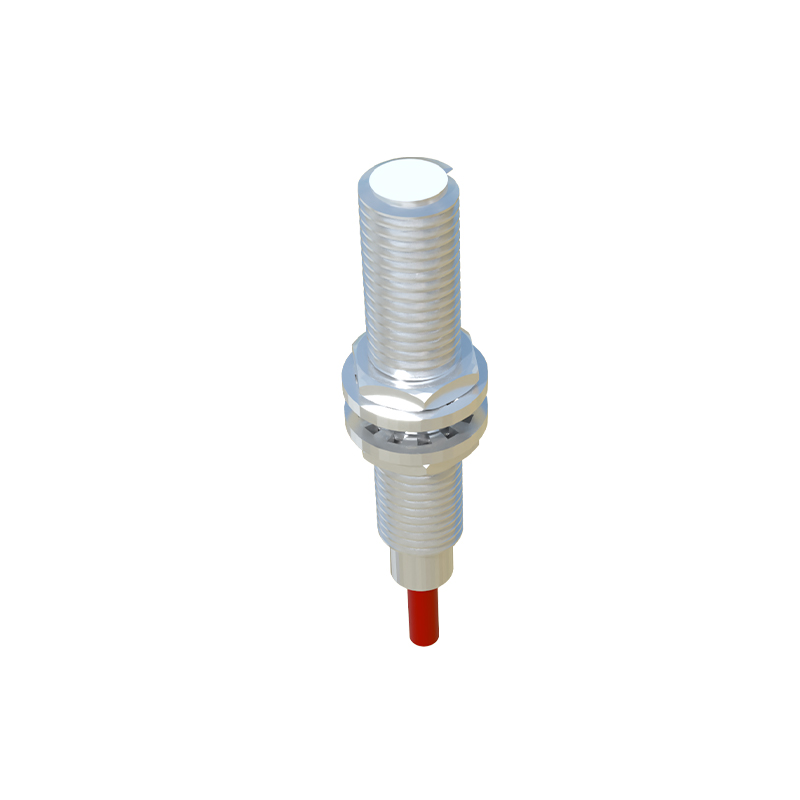
The application spectrum for 16PM proximity sensors is exceptionally broad in industrial settings. A primary use is in position sensing and end-of-travel detection on automated machinery, such as verifying if a cylinder piston has fully extended or retracted. They are extensively used in conveyor systems to detect the passage of metal parts, count items, or control sorting gates. In machine tools, they serve as limit switches to prevent over-travel of slides and tables, enhancing operational safety. Furthermore, their robust construction makes them suitable for harsh environments found in automotive manufacturing, packaging lines, and material handling equipment.
When integrating a 16PM sensor, several installation and wiring considerations are paramount. Proper mounting is essential; flush-mounted sensors (embedded in a metal bracket) have a reduced sensing range compared to non-flush (unshielded) models. Adequate clearance must be maintained between adjacent sensors to prevent mutual interference. Electrical wiring should follow the manufacturer's datasheet precisely, ensuring correct connection of the brown wire (+V), blue wire (0V/common), and black wire (output signal). Always implement protective measures such as fuses or circuit breakers. For environments with strong electromagnetic interference (EMI), using shielded cables is recommended.
Troubleshooting common issues often involves a systematic approach. If a sensor fails to detect an object, verify the power supply voltage, check for correct target material and size, and ensure the target is within the specified sensing range. Inspect the sensor face for contamination like metal chips or dirt that could attenuate the electromagnetic field. The built-in LED is a valuable tool; a constantly lit LED might indicate a short circuit or a target permanently in range, while a blinking pattern could signify a wiring error or internal fault. Always refer to the specific diagnostic codes provided in the sensor's manual.
In conclusion, the 16PM series proximity sensor represents a mature and highly effective technology for non-contact metal detection. Its durability, consistent performance, and adaptability make it a cornerstone in modern industrial control systems. By understanding its operating principles, carefully selecting the appropriate model for the application, and adhering to proper installation practices, engineers can ensure reliable and long-lasting sensor performance, contributing to increased productivity and enhanced machine safety on the factory floor.