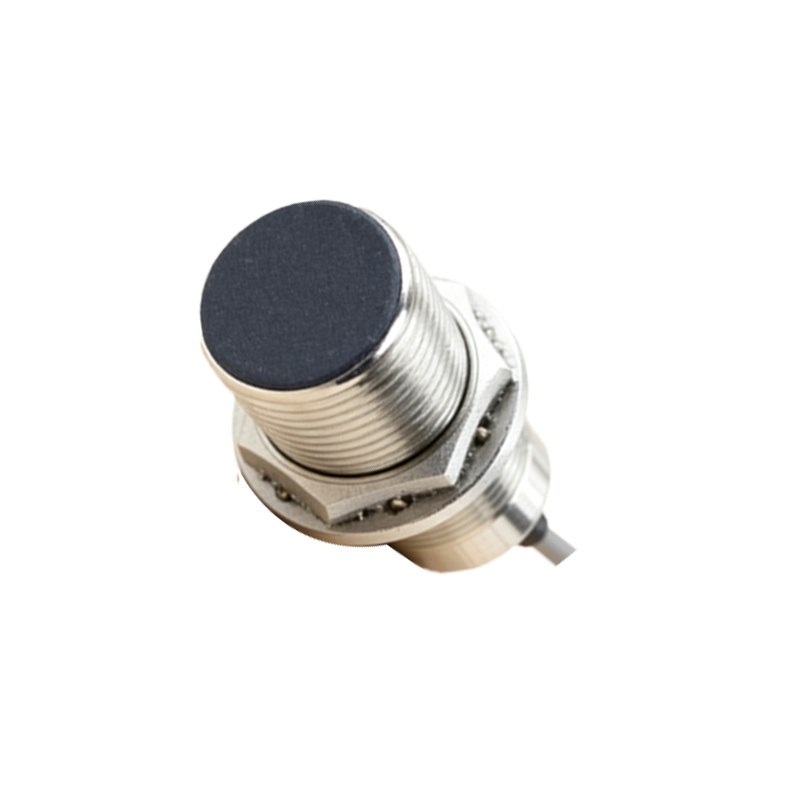
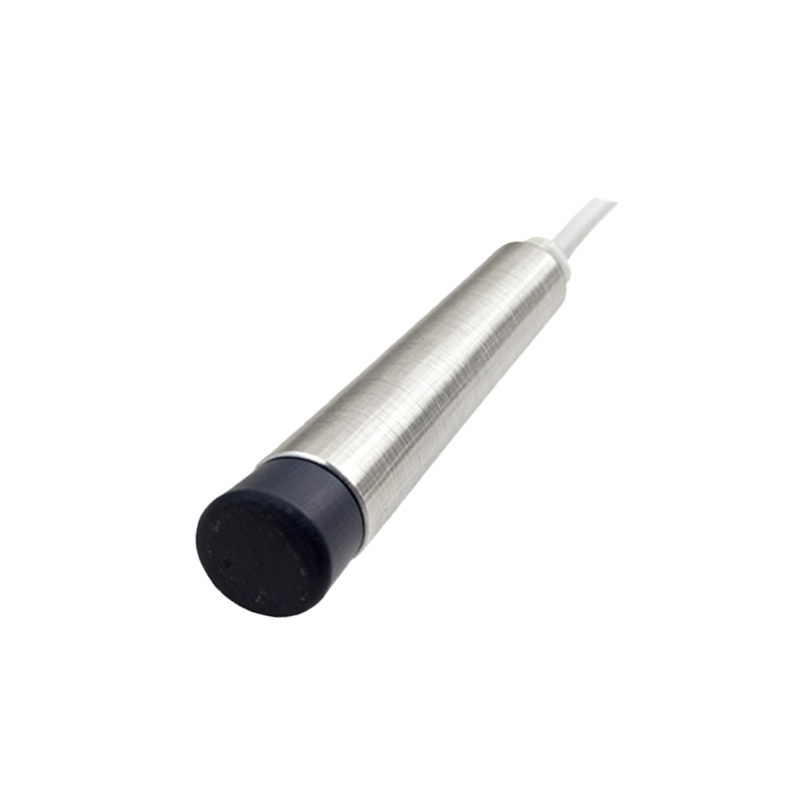
In the realm of industrial automation and control, proximity sensors are indispensable components for detecting the presence or absence of objects without physical contact. Among the diverse types available, non-metallic photoelectric proximity sensors have carved out a critical niche, offering unique advantages in environments where traditional inductive or capacitive sensors fall short. This article delves into the operational principles, key applications, and essential selection criteria for these versatile devices.
At their core, non-metallic photoelectric proximity sensors function by emitting a beam of light—typically infrared, visible red, or laser—and detecting changes in the received light signal. They consist of a light emitter (usually an LED or laser diode) and a photodetector (such as a phototransistor or photodiode). The sensing principle can be based on one of three primary methods: through-beam, retro-reflective, or diffuse reflective. In through-beam systems, the emitter and receiver are separate units; an object is detected when it interrupts the light beam. Retro-reflective sensors use a single housing containing both emitter and receiver, relying on a reflector to bounce the light back; detection occurs when the beam is blocked. Diffuse reflective sensors, the most common for general proximity detection, also house both elements but detect light reflected directly off the target object itself. The term "non-metallic" specifically highlights their ability to reliably detect materials that are poor electrical conductors, such as plastics, glass, wood, paper, and various organic substances, which are often invisible to inductive sensors tuned for metals.
The advantages of non-metallic photoelectric sensors are manifold. They offer long sensing ranges compared to many other sensor types, with some laser-based models capable of detecting objects several meters away. They provide high precision and fast response times, making them suitable for high-speed counting or positioning tasks. Furthermore, they are largely unaffected by the color, surface finish, or electrical properties of the target, focusing instead on its optical characteristics. This makes them exceptionally versatile. However, their performance can be influenced by environmental factors such as ambient light, dust, fog, or the transparency/color of the target material. For instance, clear glass or a jet-black object might absorb or transmit too much light, posing a detection challenge. Modern sensors combat these issues with features like modulated LED light to ignore ambient light, polarized filters for rejecting false reflections, and sophisticated background suppression technologies.
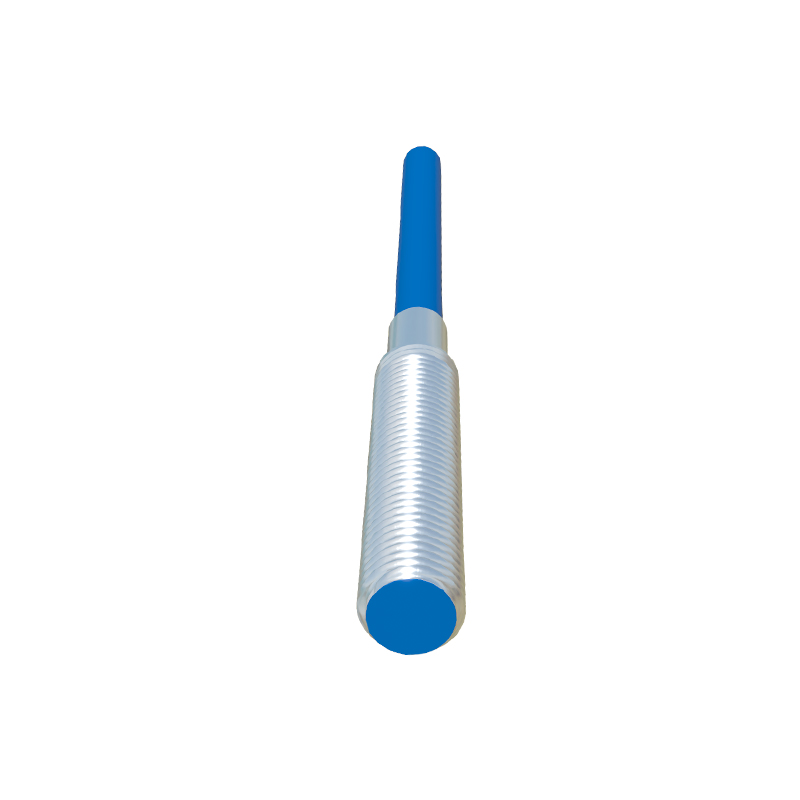
Applications for these sensors span a vast array of industries. In packaging and bottling lines, they detect labels, monitor fill levels in transparent containers, and count plastic or cardboard products. In the wood and paper industry, they sense lumber, sheets, and rolls. Automotive assembly lines use them to verify the presence of plastic components, rubber gaskets, or glass windshields. In the food and beverage sector, they ensure proper positioning of non-metallic packaging. They are also pivotal in electronic manufacturing for PCB handling and in pharmaceutical operations for detecting vials and blister packs. Any process requiring the detection, counting, or positioning of insulating materials is a potential application area.
Selecting the right non-metallic photoelectric sensor requires careful consideration of several parameters. First, identify the sensing mode: through-beam for maximum range and reliability, retro-reflective for easier alignment where a reflector can be installed, or diffuse reflective for direct detection without a separate receiver or reflector. Next, determine the required sensing distance, factoring in a safety margin. The size, color, and surface properties of the target object are critical; challenging surfaces may require sensors with background suppression or focused laser beams. The operating environment dictates the necessary housing material (e.g., stainless steel or plastic) and Ingress Protection (IP) rating to withstand dust, moisture, or washdowns. Electrical output type (PNP/NPN, analog, IO-Link) must match the control system. Finally, consider form factor for easy integration into the machinery.
In conclusion, non-metallic photoelectric proximity sensors are powerful tools that extend the reach of automation into domains dominated by insulating materials. Their non-contact operation, flexibility, and reliability make them a cornerstone of modern industrial sensing. By understanding their working principles, acknowledging their limitations, and meticulously applying the selection criteria outlined, engineers and technicians can effectively harness their capabilities to build more efficient, intelligent, and robust automated systems.