Proximity sensors are fundamental components in modern automation, robotics, and industrial control systems. Their primary function is to detect the presence or absence of an object within a specified range without physical contact. While features like sensing distance and response time are often highlighted, the accuracy of a proximity sensor is arguably its most critical performance parameter. Accuracy, in this context, refers to the sensor's ability to consistently and reliably detect a target at the intended point, with minimal deviation or error. Understanding the factors that influence this accuracy and how to optimize it is essential for ensuring system reliability, product quality, and operational safety.
The concept of accuracy for inductive, capacitive, and photoelectric proximity sensors encompasses several interrelated aspects. Repeatability, or precision, is the sensor's ability to produce the same output signal when the same target is presented repeatedly under identical conditions. Linearity error describes the deviation of the actual sensing characteristic curve from an ideal straight line across its working range. Temperature drift refers to changes in the switching point or output signal due to ambient temperature fluctuations. Finally, hysteresis is the difference between the switch-on point (as the target approaches) and the switch-off point (as the target moves away). A comprehensive view of accuracy must consider all these elements.
Several key factors directly impact the accuracy of a proximity switch. First and foremost is the target material and characteristics. For inductive sensors, the detection capability and effective sensing distance are heavily dependent on the target's metal type, size, shape, and thickness. A standard mild steel target will yield the rated sensing distance, while stainless steel, aluminum, or copper may reduce it significantly. Capacitive sensors are influenced by the target's dielectric constant, and photoelectric sensors by its color, reflectivity, and surface finish. Using a non-standard target is a primary source of inaccuracy.
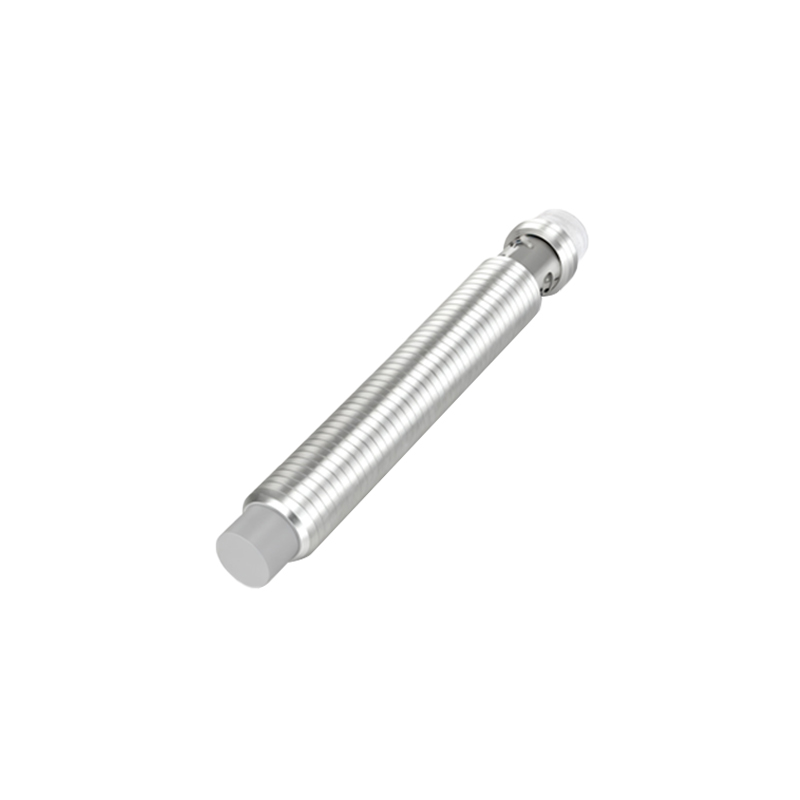
Environmental conditions pose another major challenge. Temperature extremes can cause expansion/contraction of mechanical parts and affect the electronic components inside the sensor, leading to drift. For inductive sensors, the presence of other metals in the vicinity—either as background or as adjacent machinery—can cause electromagnetic interference and shielding effects, altering the magnetic field and thus the switching point. Contaminants like dust, oil, coolant, or chips can coat the sensing face of optical or capacitive sensors, attenuating the signal. Strong ambient light can blind photoelectric receivers, while electromagnetic noise from motors, welders, or variable frequency drives can induce false signals in all sensor types.
The sensor's own design and installation are equally crucial. The mounting conditions, such as whether the sensor is flush-mounted or non-flush in a metal bracket, dramatically affect its magnetic field or sensing field shape. Incorrect alignment between the sensor and the target path can lead to inconsistent detection. Power supply voltage variations can also affect the performance of the sensor's internal circuitry. Furthermore, selecting a sensor with an inappropriate sensing range for the application—either too large, causing instability from distant objects, or too small, operating at its limit—will inherently reduce accuracy.
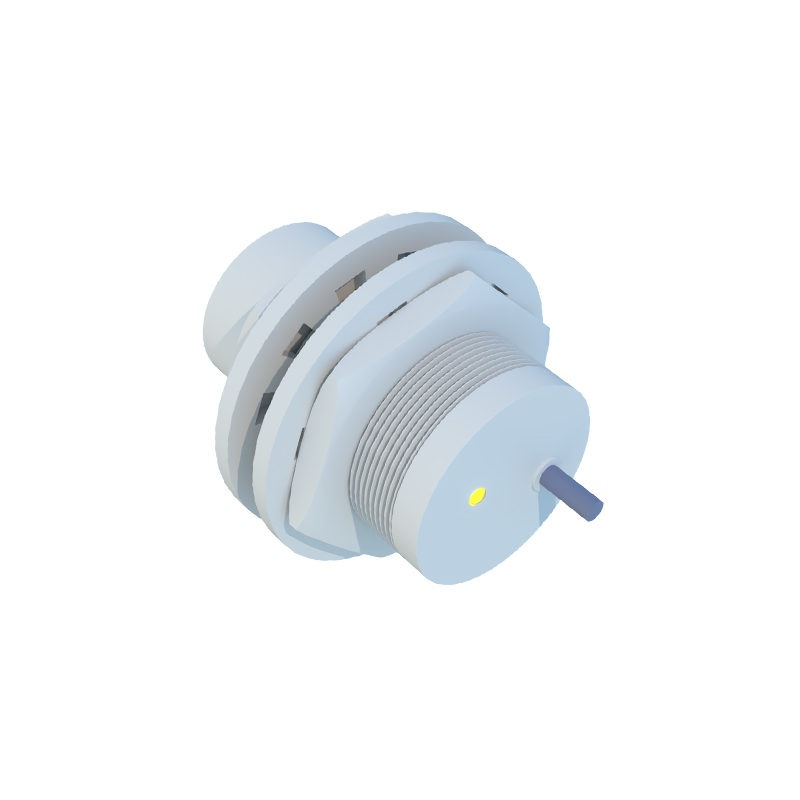
To achieve and maintain high proximity sensor accuracy, a systematic approach to selection, installation, and maintenance is required. Begin by meticulously defining the application requirements: the exact target material, size, and required detection position tolerance. Choose a sensor type and model specifically suited to these conditions. For instance, select a factor-1 inductive sensor for all metals if the target material varies, or a background suppression photoelectric sensor for precise position detection regardless of color or reflectivity.
Proper installation is non-negotiable. Always follow the manufacturer's guidelines for mounting distances, especially concerning flush-mounting requirements. Ensure the sensor is securely fixed to prevent vibration-induced movement. Provide adequate shielding and separation from sources of electrical noise, using shielded cables and proper grounding techniques. Implementing a stable, regulated power supply can eliminate errors from voltage fluctuations.
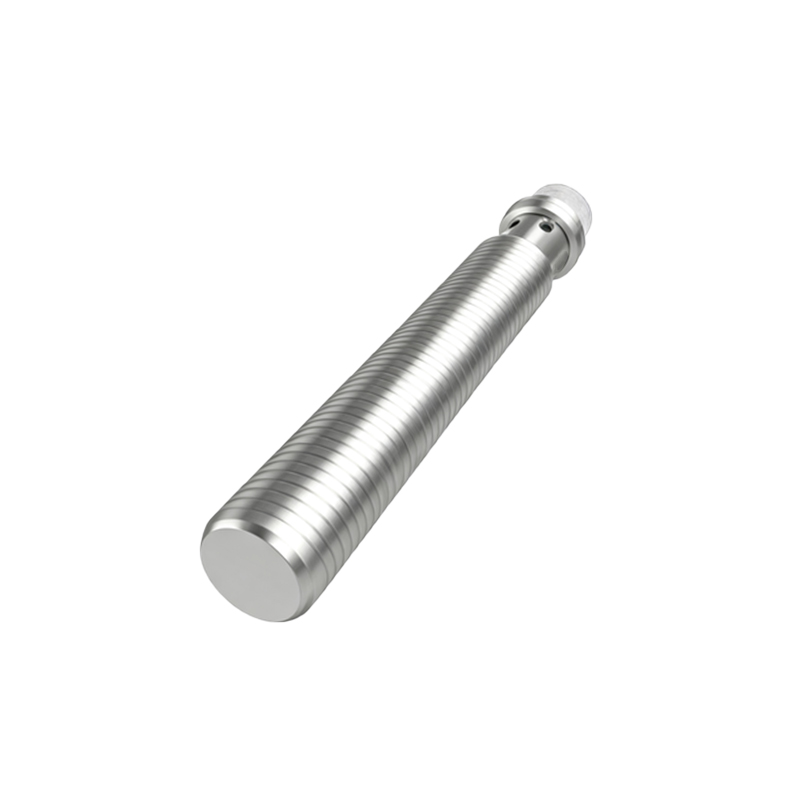
Regular calibration and maintenance form the backbone of long-term accuracy. Establish a schedule for cleaning the sensor face, especially in dirty environments. Periodically verify the sensor's switching point using a precision positioning tool or gauge. For critical applications, consider using sensors with built-in temperature compensation or IO-Link functionality. IO-Link smart sensors can provide detailed diagnostic data, parameterization, and even condition monitoring, allowing for predictive maintenance and dynamic compensation for environmental changes, thereby preserving accuracy over the sensor's lifetime.
In conclusion, proximity sensor accuracy is not a single specification but a system performance outcome. It is a delicate balance influenced by target properties, environmental factors, and installation integrity. By thoroughly understanding these influences and adhering to best practices in selection, installation, and maintenance, engineers and technicians can ensure that their proximity sensing systems deliver the precise, reliable, and consistent performance that modern automated processes demand. The pursuit of high accuracy is an ongoing process that pays dividends in reduced downtime, improved product quality, and enhanced operational efficiency.