In the realm of industrial automation and control systems, proximity sensors stand as fundamental components, enabling machines to "sense" the presence or absence of an object without physical contact. These non-contact devices are pivotal for enhancing efficiency, ensuring safety, and enabling sophisticated automation sequences. Their operation is based on detecting changes in an electromagnetic field, capacitance, or light, depending on the sensor type.
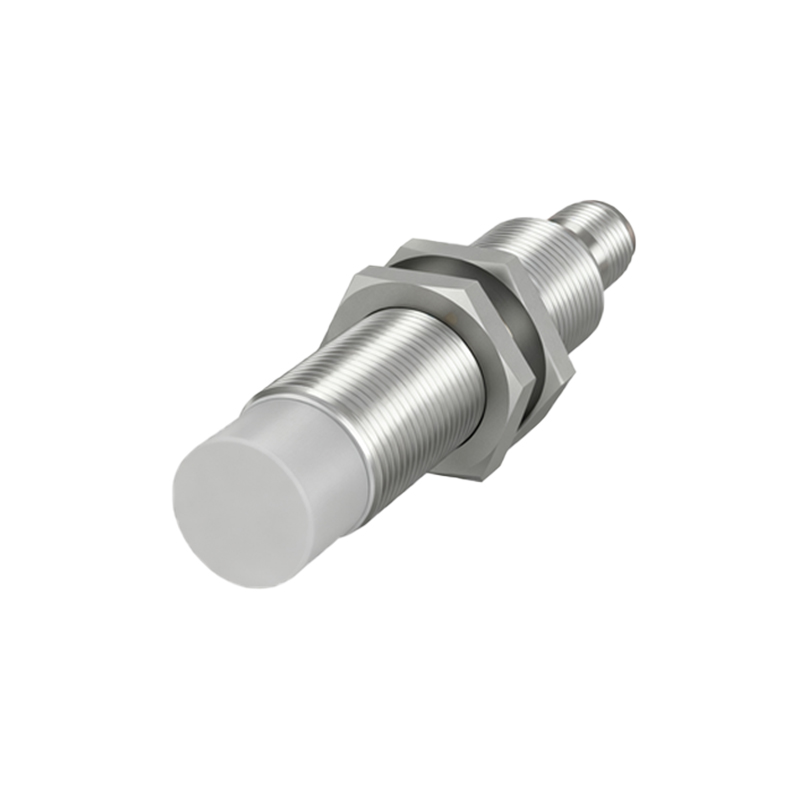
The primary categories of proximity sensors include inductive, capacitive, ultrasonic, and photoelectric sensors. Inductive proximity sensors are the most common in industrial settings. They generate an oscillating electromagnetic field and detect the eddy current losses caused when a metallic target enters this field. These sensors are exceptionally reliable for detecting metals, offering high switching frequencies and robustness against environmental contaminants like dust, oil, or coolant. However, their limitation is clear: they only detect metallic objects.
For applications requiring detection of non-metallic materials—such as wood, plastic, glass, or liquids—capacitive proximity sensors are the solution. They function by generating an electrostatic field and sensing the change in capacitance when any material with a dielectric constant different from air approaches the sensing face. This makes them versatile for level detection, material handling, and presence sensing of various substances. Care must be taken during installation and tuning, as they can be influenced by humidity or other environmental factors.
Photoelectric sensors operate on the principle of light transmission and reception. They consist of a light emitter (usually an LED) and a receiver. When the light beam is interrupted or reflected by an object, the sensor triggers a signal. These sensors offer the longest sensing ranges among proximity types and can detect objects of virtually any material. They are subdivided into through-beam, retro-reflective, and diffuse-reflective models, each suited for different range and environmental conditions. While powerful, their performance can be degraded by ambient light, dust, or fog.
Ultrasonic sensors measure the time taken for a sound wave to reflect off a target and return to the sensor. They excel in applications involving distance measurement, level control of bulk materials or liquids, and detecting transparent or sound-absorbing objects that might challenge photoelectric sensors. They are largely unaffected by color, transparency, or dust, but can be influenced by temperature variations and air turbulence.
Selecting the appropriate proximity sensor requires a careful analysis of several key parameters. The nature of the target material is paramount—metal, non-metal, liquid, or transparent. The required sensing distance, or nominal range, must be specified, typically choosing a sensor with a range 20-30% greater than the application requires to account for tolerances. The operating environment demands consideration: will the sensor face extreme temperatures, washdown conditions, heavy vibration, or electromagnetic interference? The output type (e.g., NPN, PNP, analog, IO-Link) must be compatible with the controller (PLC). Finally, the physical form factor—barrel-style, rectangular, or ring-shaped—must fit the mechanical constraints of the installation.
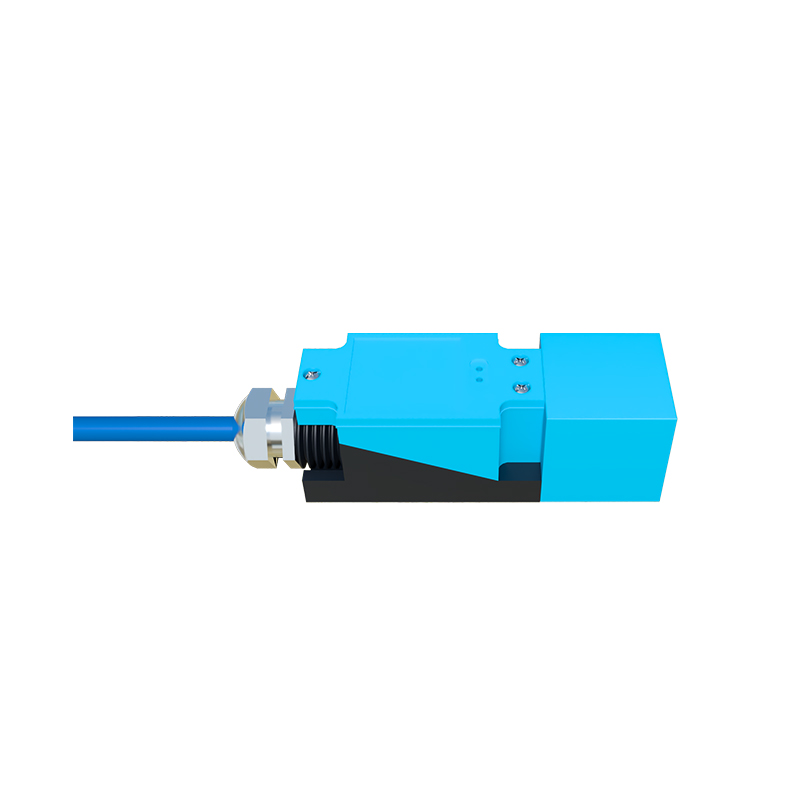
Installation and wiring are critical for reliable operation. Maintaining adequate clearance from metal mounting surfaces (to prevent shielding effects) and from other sensors (to avoid mutual interference) is essential. Proper shielding and grounding of cables minimize electrical noise. Regular maintenance, though minimal for these solid-state devices, involves keeping the sensing face clean and periodically verifying the switching function.
The evolution of proximity sensors continues with the integration of smart features. Sensors with IO-Link communication provide not just a simple switch signal but also diagnostic data like operating temperature, signal strength, and device health, facilitating predictive maintenance and reducing downtime. Furthermore, the development of sensors capable of distinguishing between different metal types or detecting specific material properties is expanding their application horizons.
In conclusion, proximity sensors are indispensable eyes of the automated factory floor. A deep understanding of their operating principles, types, and key selection criteria empowers engineers and technicians to design robust, efficient, and intelligent automation systems. The correct sensor choice, coupled with proper installation, ensures seamless operation, maximizes productivity, and contributes significantly to the overall reliability of modern manufacturing and processing industries.