In the realm of industrial automation and precision engineering, plasma laser sensors have emerged as a transformative technology, offering unparalleled accuracy and reliability in measurement and detection tasks. These advanced sensors utilize the principles of plasma physics and laser technology to deliver high-resolution data, making them indispensable in sectors ranging from semiconductor manufacturing to aerospace engineering.
At its core, a plasma laser sensor operates by generating a controlled plasma state through laser-induced ionization. When a high-intensity laser beam is focused on a target material or environment, it creates a plasma plume composed of ionized particles. This plasma emits characteristic radiation, including light across various wavelengths, which is then captured and analyzed by the sensor's optical system. By examining the spectral properties of this emitted light, the sensor can determine critical parameters such as distance, thickness, composition, and temperature with exceptional precision.
The advantages of plasma laser sensors over traditional measurement tools are substantial. Unlike conventional contact-based sensors, they are non-invasive, eliminating the risk of damage to delicate surfaces or contamination in sterile environments. Their ability to perform real-time, in-situ measurements allows for continuous monitoring and immediate feedback in dynamic industrial processes. For instance, in semiconductor fabrication, plasma laser sensors are employed to measure thin film thicknesses during deposition processes, ensuring uniformity and quality control at nanometer scales. Similarly, in automotive manufacturing, these sensors verify component dimensions and detect microscopic defects on engine parts, enhancing product reliability and safety.
One of the key innovations driving the adoption of plasma laser sensors is their integration with advanced data analytics and machine learning algorithms. Modern sensors are equipped with embedded processors that can analyze spectral data on-the-fly, identifying patterns and anomalies that might indicate process deviations. This capability enables predictive maintenance, where potential equipment failures are flagged before they occur, minimizing downtime and reducing operational costs. In energy sectors, such as nuclear fusion research, plasma laser sensors monitor plasma confinement and stability, providing crucial insights for achieving sustainable fusion reactions.
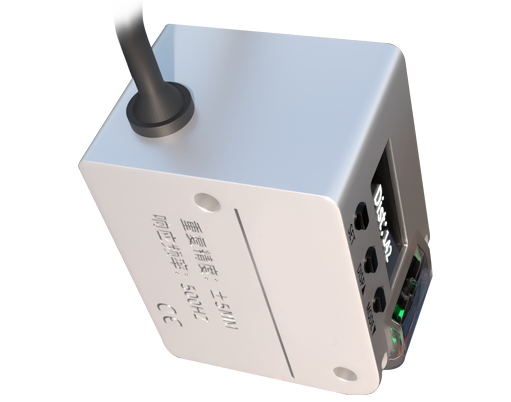
Despite their sophistication, plasma laser sensors are designed for robustness in harsh industrial environments. They are often housed in rugged enclosures that protect against dust, moisture, and extreme temperatures, ensuring consistent performance in settings like steel mills or outdoor construction sites. Additionally, advancements in fiber-optic coupling have allowed for remote sensing applications, where the sensor head can be positioned away from hazardous areas, while the analysis unit remains in a safe control room. This feature is particularly valuable in chemical processing plants or mining operations, where safety is paramount.
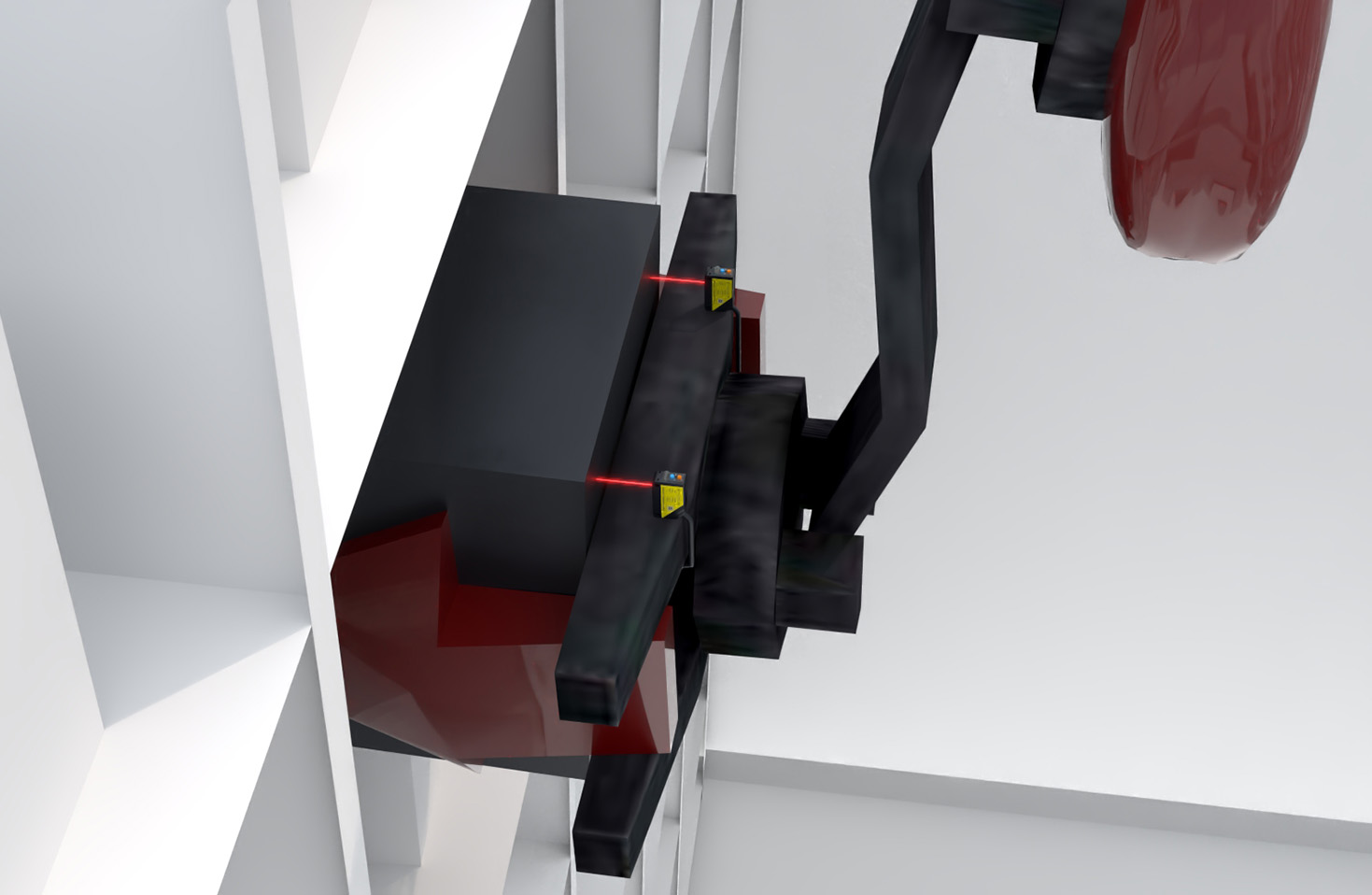
Looking ahead, the future of plasma laser sensors is poised for further growth with the advent of miniaturization and cost reduction. Emerging trends include the development of portable, handheld versions for field inspections and the incorporation of multi-sensor fusion techniques, where plasma laser data is combined with inputs from other sensors like LiDAR or infrared cameras. These integrations will expand their utility in emerging fields such as additive manufacturing (3D printing), where layer-by-layer monitoring can optimize print quality, and in environmental monitoring, where they can detect pollutant concentrations in air or water with high sensitivity.
In conclusion, plasma laser sensors represent a significant leap forward in measurement technology, bridging the gap between theoretical plasma science and practical industrial applications. Their ability to provide accurate, non-contact measurements in real-time has revolutionized quality assurance, process control, and research across multiple industries. As innovation continues to drive down costs and enhance capabilities, these sensors are set to become even more ubiquitous, empowering engineers and technicians to achieve new levels of precision and efficiency in their work. For organizations seeking to stay competitive in an increasingly automated world, investing in plasma laser sensor technology is not just an option—it is a strategic imperative for fostering innovation and ensuring operational excellence.