In the realm of industrial automation, proximity sensors are indispensable components that enable non-contact detection of objects, ensuring precision, reliability, and efficiency in various processes. As an experienced electrical engineer, I have worked extensively with numerous brands, and I can attest that selecting the right manufacturer is crucial for optimal performance. Here, I will discuss some of the leading original proximity sensor brands that dominate the market, highlighting their key features and applications.
First and foremost, Siemens stands out as a global leader in industrial automation. Their proximity sensors, part of the SIMATIC range, are renowned for high durability and accuracy. Siemens offers a wide array of models, including inductive, capacitive, and ultrasonic sensors, designed to withstand harsh environments like manufacturing plants and automotive assembly lines. With advanced diagnostics and easy integration into PLC systems, Siemens sensors are a top choice for engineers seeking robust solutions.
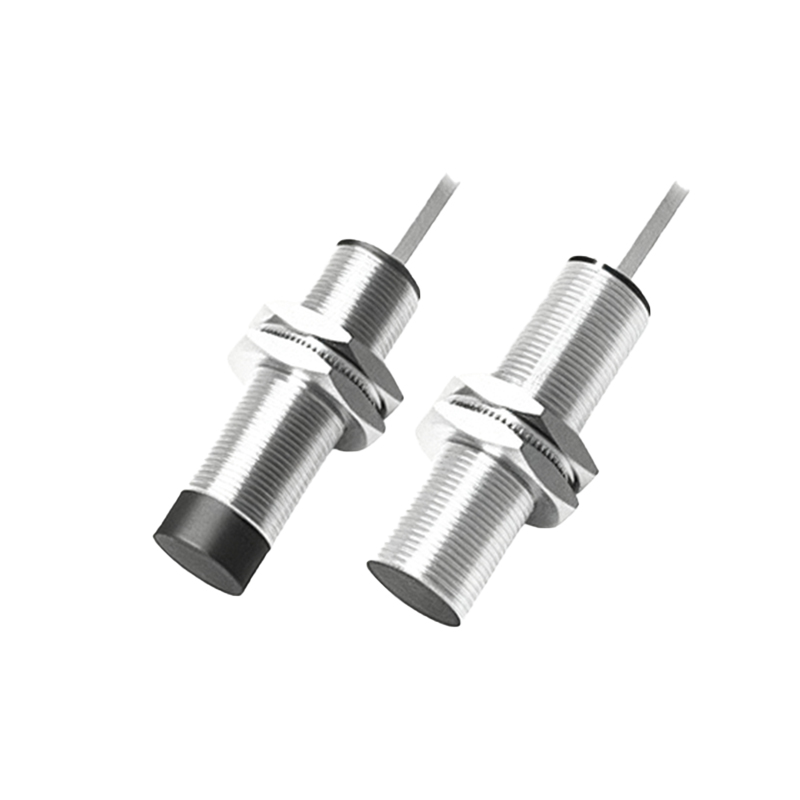
Another prominent brand is Omron, a Japanese company known for innovation and quality. Omron's proximity sensors excel in sensitivity and response time, making them ideal for high-speed applications such as packaging and robotics. Their E2E series, for instance, provides reliable detection even in challenging conditions with metal interference. Omron also emphasizes energy efficiency, which aligns with modern sustainability goals in industry.
Rockwell Automation, through its Allen-Bradley line, is a trusted name in North America and beyond. Their proximity sensors are engineered for longevity and ease of maintenance. The Bulletin 871T series, for example, features rugged housing and LED indicators for quick troubleshooting. Rockwell's sensors are commonly used in heavy industries like mining and oil & gas, where reliability is paramount.
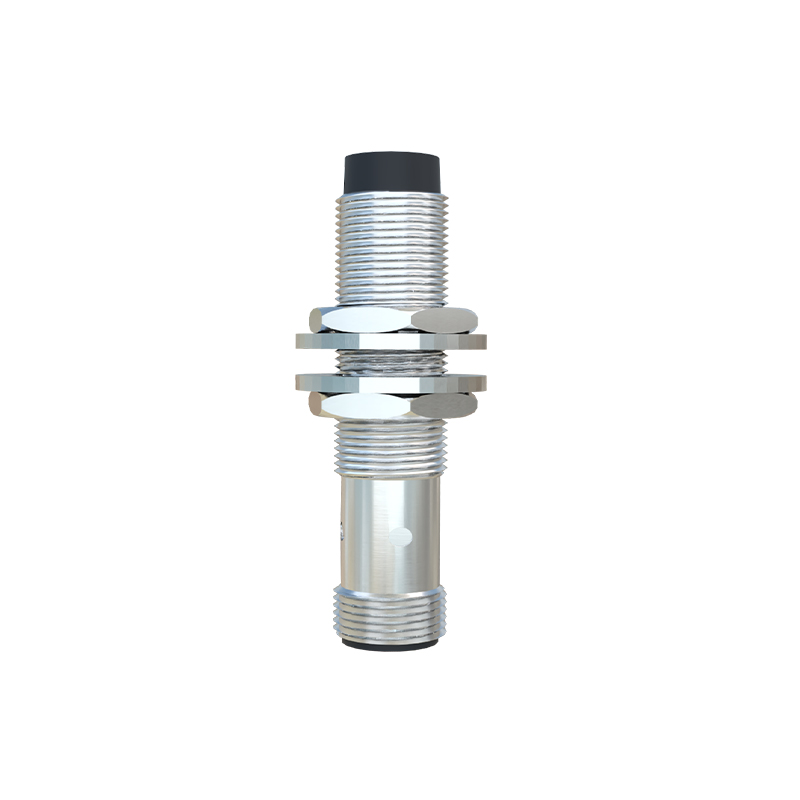
Pepperl+Fuchs, a German specialist in sensor technology, offers highly precise and customizable proximity sensors. Their products are known for exceptional resistance to environmental factors like dust, moisture, and extreme temperatures. Pepperl+Fuchs sensors are often deployed in hazardous areas, thanks to certifications like ATEX and IECEx, ensuring safety in explosive atmospheres.
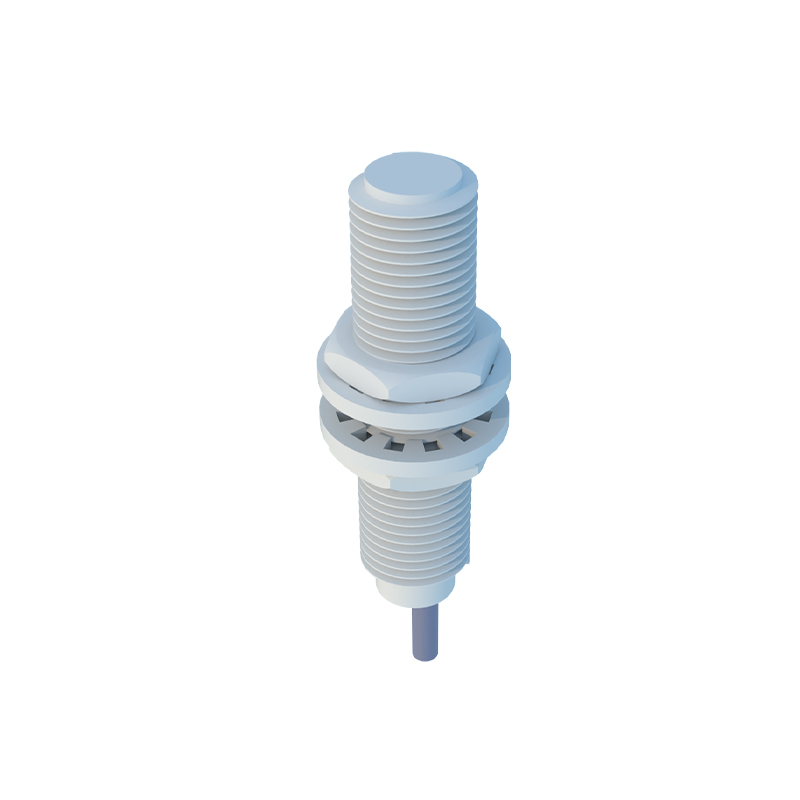
Lastly, Balluff, another German manufacturer, provides innovative solutions with a focus on smart sensors and Industry 4.0 integration. Balluff's proximity sensors feature IO-Link communication, enabling real-time data exchange and predictive maintenance. This brand is popular in automotive and logistics sectors, where connectivity and data-driven insights are key.
When choosing a proximity sensor brand, engineers should consider factors such as detection range, material compatibility, environmental ratings, and cost-effectiveness. Original brands typically offer better support, warranties, and compatibility with existing systems. In my experience, investing in reputable brands reduces downtime and enhances overall system performance.
In conclusion, Siemens, Omron, Rockwell Automation, Pepperl+Fuchs, and Balluff represent the pinnacle of proximity sensor technology. Each brand brings unique strengths to the table, catering to diverse industrial needs. As automation continues to evolve, these manufacturers are at the forefront, driving innovation and reliability in the electrical engineering field.