In industrial automation and control systems, proximity sensors play a critical role in detecting the presence or absence of objects without physical contact. Among the various specifications that define a proximity sensor, the thread type is a fundamental mechanical feature that ensures proper mounting, alignment, and integration into machinery. This article delves into the common thread standards, their applications, and key considerations for selection.
Thread types for proximity sensors are primarily standardized to ensure compatibility with mounting fixtures, such as nuts, brackets, or drilled holes in equipment. The most prevalent thread standards include metric threads (e.g., M8, M12, M18, M30) and unified threads (e.g., 1/2"-20 UNF, 3/4"-16 UN). Metric threads, denoted by "M" followed by the diameter in millimeters, are widely used in global markets, especially in Europe and Asia. For instance, an M12 proximity sensor has a 12 mm diameter thread with a standard pitch of 1.5 mm, making it suitable for compact applications like conveyor systems or robotic arms. In contrast, unified threads, common in North America, are specified in inches and often feature finer threads (UNF) for secure fastening in high-vibration environments, such as automotive assembly lines.
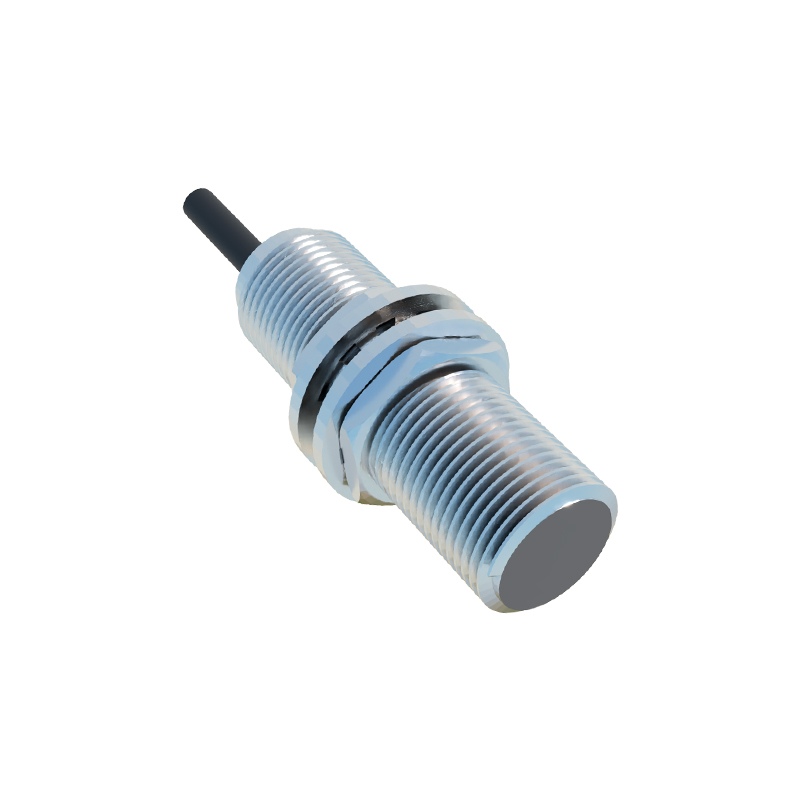
Beyond diameter and pitch, thread length and material are vital factors. Standard thread lengths typically range from 10 mm to 40 mm, depending on the sensor size and mounting depth requirements. For example, an M18 sensor might have a thread length of 30 mm to allow adjustment in thicker panels. Materials like stainless steel or brass are preferred for threads due to their corrosion resistance, which is essential in harsh conditions like food processing or marine applications. Additionally, some sensors feature a hex nut or locknut design to facilitate easy installation and prevent loosening over time.
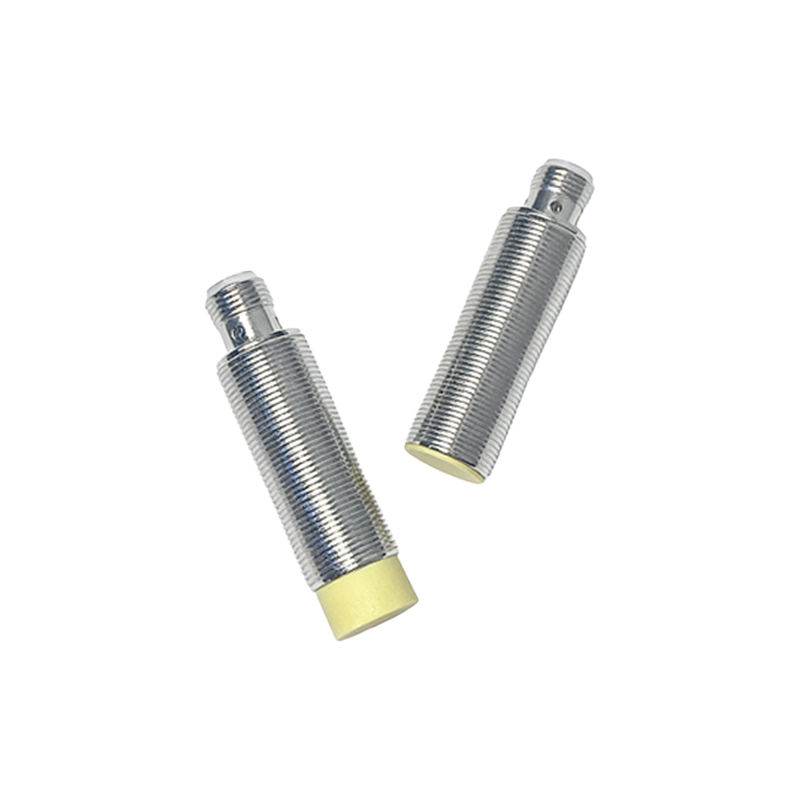
When selecting a proximity sensor based on thread type, engineers must consider the mounting environment and sensor performance. For tight spaces, smaller threads like M8 or 1/4"-28 UNF are ideal, while larger threads like M30 or 1"-14 UNS offer stability for heavy-duty sensors in mining or construction equipment. It’s also crucial to match the thread with the correct sealing rating, such as IP67 or IP69K, to ensure dust and water resistance. Incorrect thread choices can lead to misalignment, reduced sensing range, or mechanical failure, impacting overall system reliability.
In practice, many proximity sensors come with adapters or mounting accessories to accommodate different thread standards, providing flexibility in retrofit projects. For instance, an M12-to-1/2" adapter allows a metric sensor to be used in an inch-based system. Always refer to manufacturer datasheets for precise thread specifications, including tolerance classes (e.g., 6g for metric threads) and recommended torque values to avoid over-tightening.
Ultimately, understanding proximity sensor thread types enhances installation efficiency and longevity. By aligning thread specifications with application needs, engineers can optimize sensor performance, reduce downtime, and ensure seamless integration into diverse industrial setups. As technology evolves, standardized threads continue to support interoperability across global automation platforms.