Laser sensors have become indispensable tools in modern industrial automation, offering unparalleled precision, speed, and reliability for a wide range of measurement and detection tasks. Unlike traditional mechanical or photoelectric sensors, laser sensors utilize a focused beam of coherent light to perform non-contact measurements with micron-level accuracy. This capability makes them ideal for applications where physical contact is impossible, undesirable, or could damage the product, such as in electronics assembly, precision machining, and food packaging.
The core working principle of most industrial laser sensors is based on triangulation or time-of-flight measurement. Triangulation sensors project a laser spot onto a target surface. The reflected light is captured by a receiver at a known angle. By calculating the position of the reflected spot on the receiver, the sensor determines the exact distance to the target. This method excels in high-precision, short-range measurements for thickness, height, or profile inspection. Time-of-flight sensors, on the other hand, measure the time it takes for a laser pulse to travel to the target and back. They are better suited for longer ranges, such as in warehouse logistics for pallet detection or level monitoring in large silos.
Selecting the right laser sensor requires careful consideration of several key parameters. First, define the primary measurement task: is it distance, presence detection, thickness, or profile scanning? Next, evaluate the required measurement range and resolution. A sensor with a 10mm range might offer 1-micron resolution, while a 10-meter range sensor may only provide millimeter-level accuracy. The target material and surface characteristics are equally critical. Highly reflective, transparent, or dark matte surfaces can challenge standard sensors, often requiring models with specialized algorithms or diffuse reflection technology to ensure stable readings. Environmental factors like ambient light, dust, vibration, and temperature extremes must also be accounted for; look for sensors with high IP ratings, robust housings, and built-in compensation features.
In practical application, proper installation and alignment are paramount. The sensor must be mounted securely to minimize vibration. The laser beam should strike the target surface perpendicularly for optimal reflection, unless the design specifically accounts for an angle. Regular calibration against a known reference is essential to maintain long-term accuracy. Many modern sensors feature intuitive setup software, allowing engineers to configure parameters like response time, output switching points, and data filtering directly from a laptop, significantly reducing commissioning time.
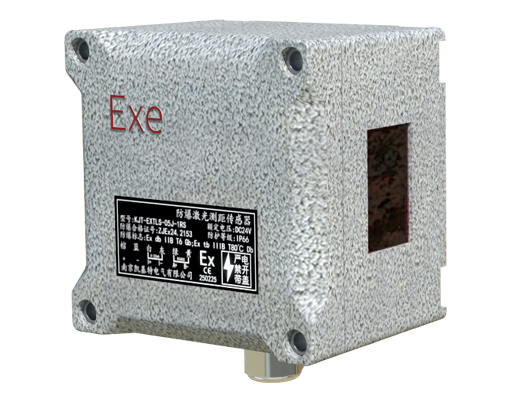
Real-world use cases highlight their versatility. In automotive manufacturing, laser sensors measure the gap and flushness between car body panels with extreme precision, ensuring quality and fit. In the pharmaceutical industry, they verify fill levels in vials and detect missing caps on blister packs at high speeds. On packaging lines, they control the precise placement of labels and check for correct box dimensions. Furthermore, 2D and 3D laser profile scanners are revolutionizing quality control by capturing complete cross-sectional profiles of objects, identifying defects like dents, warps, or deviations from a CAD model in real-time.
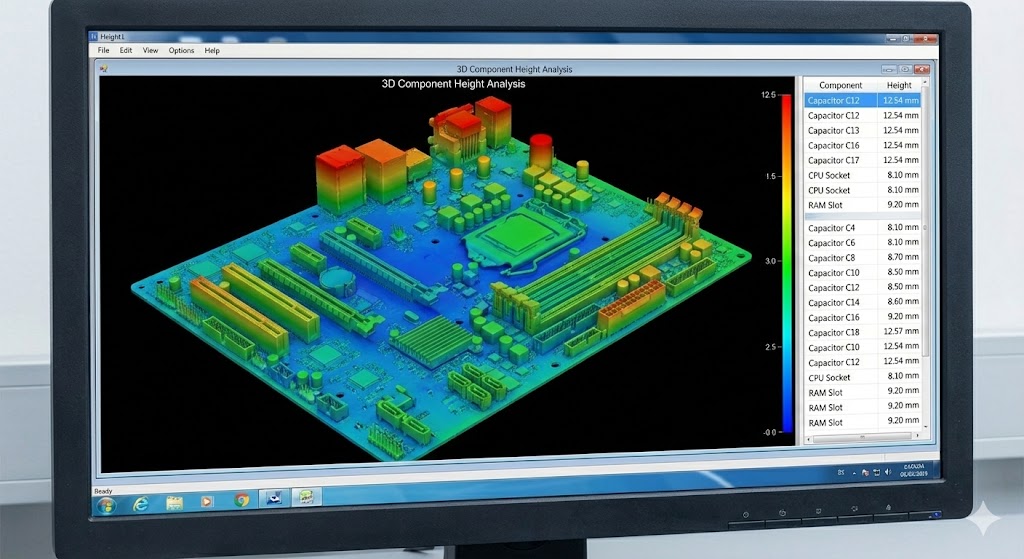
Despite their advantages, laser sensors are not a universal solution. They can be more expensive than inductive or ultrasonic sensors and may require more expertise to integrate. However, the return on investment is often justified by reduced downtime, fewer defective products, and higher overall equipment effectiveness (OEE). As Industry 4.0 advances, the integration of laser sensors with IIoT platforms is becoming standard, enabling predictive maintenance through continuous performance monitoring and data analytics.
In conclusion, laser sensors are powerful enablers of automation, providing critical data for process control and quality assurance. A successful implementation hinges on a thorough understanding of the application requirements, careful sensor selection, and meticulous installation. By leveraging their capabilities, engineers can solve complex measurement challenges, enhance productivity, and drive innovation on the factory floor.